Leave Your Message
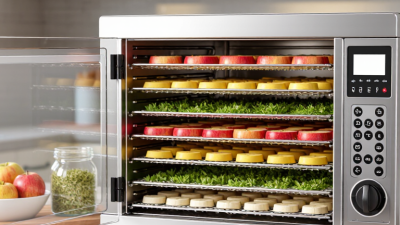
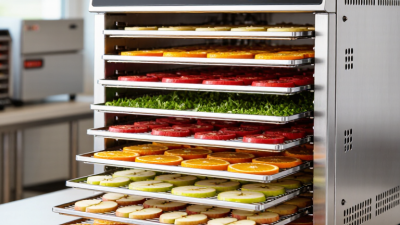
A Vegetable Dryer Machine removes water from chopped, sliced, or whole vegetables through controlled heat and airflow. The goal is not simply to make produce hot. It is to reduce moisture evenly while preserving useful color, texture, and flavor. Moisture matters. So does airflow.
The scale of food loss makes this equipment relevant. FAO’s 2023 report, The State of Food and Agriculture, estimated that 13.2% of food was lost worldwide between harvest and retail in 2021. Drying cannot prevent every loss, but it can extend shelf life when raw materials are sound and processing is carefully managed. Postharvest horticulture expert Adel A. Kader’s research highlights how handling and storage conditions affect produce quality. A practical takeaway from his work is simple: control the process, not just the temperature. This is a paraphrase, not a direct quotation.
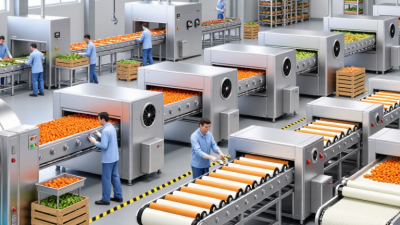
In practice, a dryer may use hot air, a belt conveyor, or trays inside a cabinet. Operators monitor temperature, airflow, loading depth, and final moisture. A crowded tray can dry unevenly; a thin slice can become brittle if exposed too long. Those details matter in a small workshop and a large processing plant. Buyers should compare capacity, energy use, cleaning access, and control accuracy—not just the machine’s advertised output. Figures vary by vegetable, slice thickness, and starting moisture. There is no single setting for every crop. Understanding these basics helps readers assess what a Vegetable Dryer Machine can do, and where careful testing is still needed.
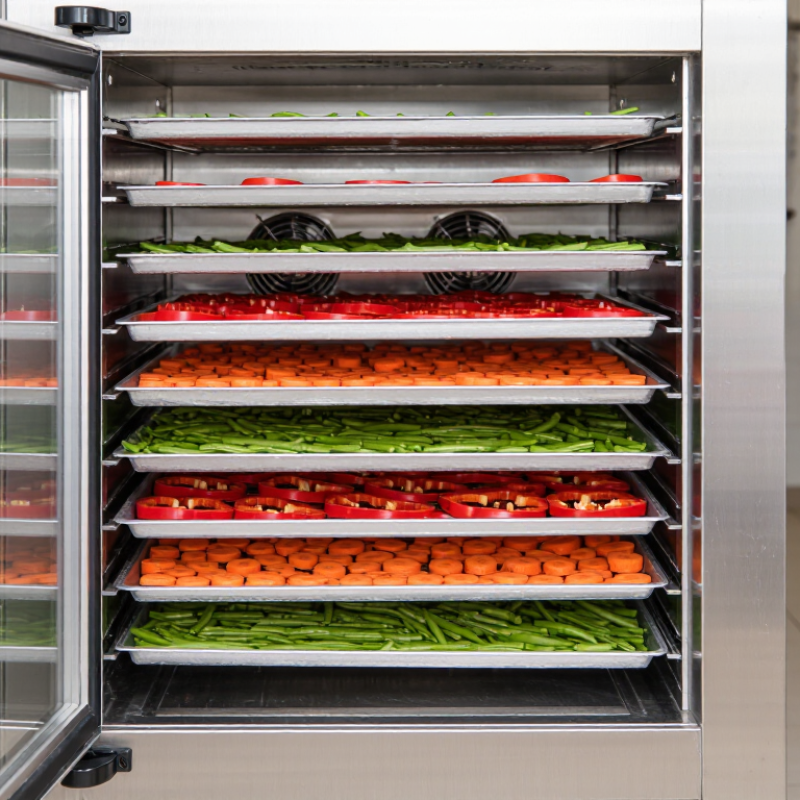
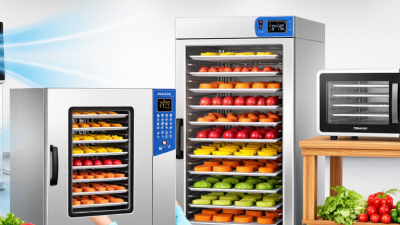
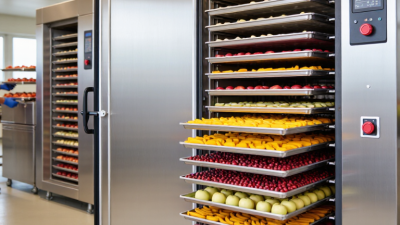
A vegetable dryer machine removes moisture from vegetables by circulating controlled warm air around them. It usually holds produce on mesh or perforated trays, allowing air to pass across each piece. The goal is to slow spoilage and create lighter, less perishable ingredients. It does not make food sterile. Clean handling still matters.
For example, thin carrot slices can dry more evenly than thick chunks. Leafy greens need space between pieces, or damp spots may remain. Temperature, airflow, slice thickness, and how full the trays are all affect the result. In practical use, operators check samples rather than trusting the machine setting alone. Small differences in a batch can be easy to miss.
These machines serve farms, food processors, and kitchens that need to store seasonal produce or prepare dried ingredients. Lower moisture can reduce weight and storage needs, though the finished vegetables may change in color, texture, and flavor. A dryer is useful, but not magic. It cannot rescue spoiled produce, and uneven drying can lead to disappointing results. Careful preparation and suitable packaging remain part of the process.
| Dimension | Description | Purpose or Practical Note |
|---|---|---|
| Definition | A vegetable dryer machine is equipment that removes moisture from vegetables using controlled heat and airflow, or another drying method. | It produces dried vegetables for storage, cooking, ingredient preparation, or further processing. |
| How drying works | Heat encourages water to evaporate, while moving air carries moisture away from the product. Other systems may use vacuum or freeze-drying processes. | Drying reduces water availability, which can slow many forms of microbial growth and deterioration. It does not make every product sterile. |
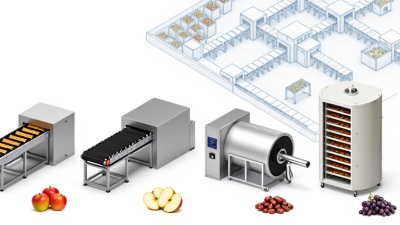
| Common machine types | Cabinet or tray dryers, tunnel dryers, belt dryers, fluidized-bed dryers, vacuum dryers, and freeze dryers. | Selection depends on production scale, vegetable type, desired product quality, available space, and processing budget. |
| Suitable vegetables | Examples include sliced carrots, onions, mushrooms, tomatoes, leafy greens, peppers, and peas. | Cut size, initial moisture, pretreatment, and loading depth affect drying time and uniformity. |
| Main purpose | To create a lower-moisture product that is lighter and generally takes up less space than fresh vegetables. | Dried vegetables can be easier to transport and store, provided they are dried adequately and protected from moisture afterward. |
| Temperature and time | Operating temperature and drying time vary with the vegetable, piece thickness, dryer design, airflow, and target moisture level. | Follow a validated process for the specific product; a single setting is not suitable for every vegetable or machine. |
| Airflow and loading | Many hot-air dryers circulate heated air around trays, shelves, or a moving product bed. Even spacing helps air reach more surfaces. | Overloading or blocking airflow can result in uneven drying and longer processing times. |
| Pretreatment | Depending on the vegetable and intended use, preparation may include washing, trimming, slicing, blanching, or other food-safe pretreatment. | Pretreatment can influence color, texture, flavor, and drying performance. The appropriate method varies by product. |
| Storage after drying | Dried vegetables should be cooled and kept in clean, moisture-resistant, airtight packaging in a suitable storage environment. | Packaging and storage conditions help prevent moisture uptake and preserve product quality. |
| Key distinction | A vegetable dryer is designed for drying; it is not automatically a washer, sterilizer, or packaging machine. | Food safety depends on the complete process, including preparation, drying, handling, and storage. |