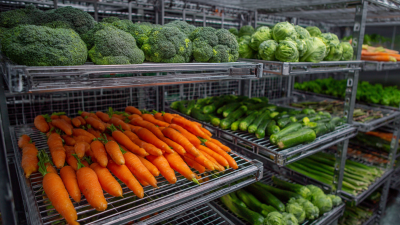
Choosing the right Vegetable Air Dryer in 2026 requires more than comparing price tags and advertised capacity. Global buyers must examine airflow uniformity, drying speed, product handling, energy use, and cleaning access. A machine that dries leafy greens gently may perform poorly with sliced carrots or wet beans. Details matter.
This guide reviews major Vegetable Air Dryer types for international purchasing teams, including centrifugal, belt, roller, and air-knife systems. Each design creates a different balance between moisture removal, product protection, footprint, and maintenance. Stainless steel contact surfaces, rounded corners, removable filters, and accessible fans support safer daily operation. Variable-speed controls can also reduce bruising and unnecessary energy consumption.
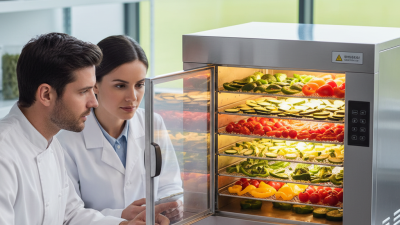
Regional conditions deserve attention. Buyers should confirm voltage, frequency, language support, spare-part availability, and installation requirements before signing a purchase order. Supplier experience matters too. Factory videos help, but verified test results and reference installations are stronger evidence. Ask whether the supplier can test your actual vegetables, not only display ideal samples.
No machine is perfect. A high-output dryer may need more floor space, while a compact unit may require additional passes. Some specifications look impressive but lack practical context. This overview therefore considers real operating details, including workers loading wet produce, water collecting beneath conveyors, and cleaning teams reaching narrow corners. The goal is a reliable comparison for distributors, processors, and food manufacturers seeking suitable equipment for global markets. Needs vary. Careful selection remains essential.
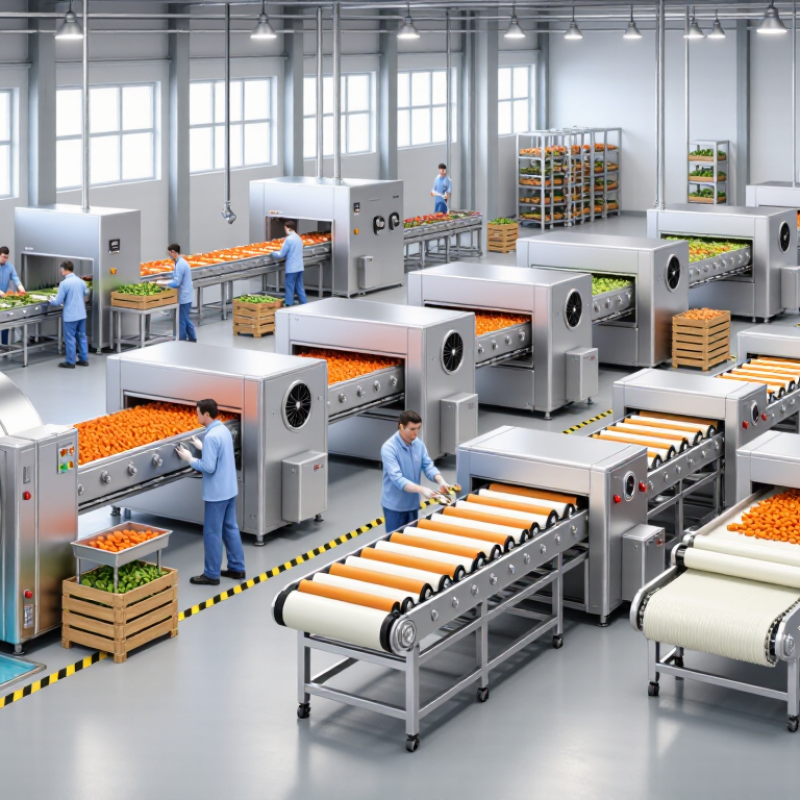
A vegetable air dryer removes surface water after washing, cutting, or blanching. It normally uses filtered, moving air rather than deep frying or chemical treatment. Fans push air across wet vegetables, while heaters control temperature and humidity. The airflow breaks the thin water film on peas, carrots, leafy greens, and sliced onions. The moisture then leaves through an exhaust system.
Common designs include cabinet dryers, tunnel dryers, continuous belt dryers, and centrifugal air knives. Cabinet models suit smaller batches and flexible production. Tunnel systems provide steadier airflow for larger volumes. Belt dryers support continuous processing, while air knives remove water quickly from smooth surfaces. A dryer is not automatically a dehydrator. The former reduces surface moisture; the latter removes much more internal water.
This distinction affects quality and energy use. The FAO’s The State of Food and Agriculture 2019 estimated that 14% of global food is lost between harvest and wholesale. The UNEP Food Waste Index Report 2024 reported 1.05 billion tonnes of food waste in 2022. Better drying cannot solve every loss, but it can reduce dripping, sticking, microbial risk, and packaging problems. Not always.
In practical testing, buyers should measure airflow speed, outlet humidity, product temperature, and drying uniformity. Excessive heat may damage color and texture. Weak airflow leaves wet pockets. Results also change with cut size and loading depth. This is where specifications can mislead. Actual vegetable trials matter more than impressive catalogue figures.
2026 Top Vegetable Air Dryer Types for Global Buyers
Main types of vegetable air dryers available in 2026 include batch cabinet dryers, continuous mesh-belt dryers, centrifugal dryers, and air-knife systems. Each design removes surface water after washing. It does not replace thermal dehydration. That distinction matters.
Batch cabinet dryers suit small processors handling changing vegetable loads. Operators place produce on perforated trays, then adjust airflow and drying time. They are flexible and comparatively simple to maintain. Continuous mesh-belt dryers support higher output. Vegetables move through controlled air zones while adjustable belt speed manages residence time. Perforated stainless-steel surfaces improve drainage and cleaning access.
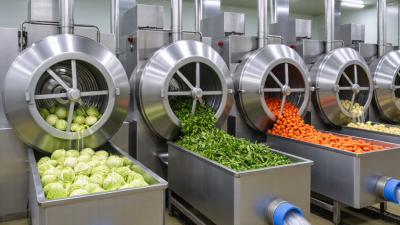
Centrifugal dryers spin produce inside a perforated basket. They can remove water quickly from sturdy vegetables, but delicate leaves may bruise. Air-knife dryers use narrow, high-speed air streams across the product surface. They provide gentle, contact-free drying and work well with leafy vegetables and sliced produce. Some plants combine an air knife with a vibrating or inclined conveyor.
Selection should follow the vegetable’s shape, cut size, target capacity, and acceptable product loss. Check airflow uniformity, noise, sanitation design, drainage, and access for inspection. Electrical requirements also vary between markets. A practical trial with real seasonal produce is wiser than relying only on catalogue figures. No single type wins every factory. In actual production, uneven loading can reduce drying performance, and operators may need more training than expected.
The chart compares typical air-temperature operating ranges used for vegetable dehydration. Tray and cabinet dryers are commonly selected for small to medium batches, while tunnel and continuous belt dryers support higher-throughput production. Fluidized-bed systems provide fast surface drying for small-cut vegetables, and heat-pump dryers operate at lower temperatures to help preserve color, flavor, and heat-sensitive nutrients. Actual settings depend on vegetable type, slice thickness, moisture content, airflow, and final moisture targets.
Indicative engineering ranges in °C; values are not market-share data and may vary by equipment configuration.
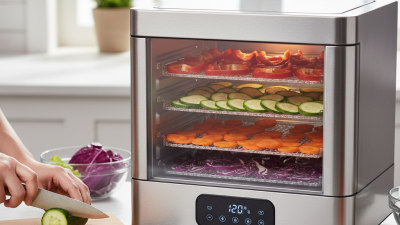
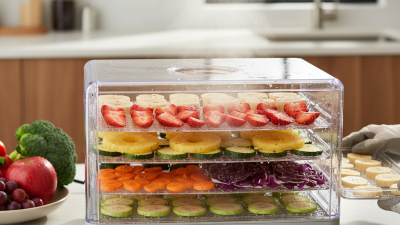
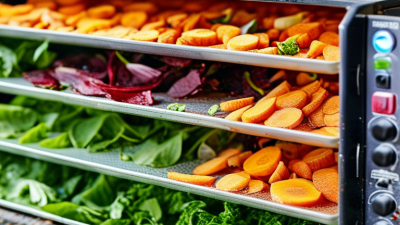
Hot-air cabinet dryers remain a practical choice for small and medium vegetable processors. They use heated air across trays, with moderate equipment costs and simple controls. Carrot slices, onion pieces, and leafy vegetables can be processed in separate batches. However, uneven airflow may leave thicker pieces damp. Operators must rotate trays, which increases labor and inconsistency.
Continuous belt dryers offer higher throughput and steadier production. Vegetables move through controlled heating zones, reducing manual handling. Their purchase price is higher, but labor costs can fall sharply at larger volumes. Energy use depends on insulation, humidity, and airflow design. A poorly adjusted belt speed can cause brittle edges while the center remains soft. This is an expensive mistake.
Vacuum dryers protect color and flavor better at lower temperatures. They suit sensitive vegetables, but their pumps, seals, and maintenance requirements raise operating costs. Freeze drying preserves structure exceptionally well, yet it demands high capital investment and significant electricity. For global buyers, local service access matters as much as rated capacity. Spare parts may take weeks to arrive in remote markets. Testing real vegetable loads is essential, because catalog performance rarely matches every factory condition. Drying results still vary.
| Dryer Type | Typical Vegetable Applications | Typical Drying Temperature | Typical Final Moisture | Indicative Throughput | Specific Energy Use | Indicative Equipment Cost | Product Quality | Main Advantages | Main Limitations |
|---|---|---|---|---|---|---|---|---|---|
| Open Sun Dryer | Onion, chili, okra, leafy vegetables, sliced roots | 35–60°C, weather dependent | 8–15% | 20–300 kg fresh feed/day | 0.1–0.5 kWh/kg water removed | US$100–3,000 | Variable; moderate color retention | Very low operating cost; simple construction; no fuel required | Dependent on sunlight and humidity; contamination and uneven drying risks |
| Solar Cabinet Dryer | Herbs, leafy vegetables, carrot, tomato, mushroom slices | 40–70°C | 6–12% | 30–500 kg fresh feed/day | 0.2–0.8 kWh/kg water removed | US$1,000–12,000 | Better hygiene and color than open sun drying | Uses renewable heat; moderate investment; suitable for small processors | Output changes with weather; limited temperature control |
| Hot-Air Tray or Cabinet Dryer | Potato, carrot, onion, garlic, cabbage, spinach, herbs | 50–90°C | 4–10% | 50–1,500 kg fresh feed/batch | 1.0–2.5 kWh/kg water removed | US$3,000–35,000 | Good; depends on air distribution and loading | Flexible batch operation; easy to clean; suitable for multiple products | Manual loading; longer drying time; possible tray-to-tray variation |
| Heat-Pump Dehumidifying Dryer | Leafy vegetables, mushroom, herbs, fruiting vegetables, premium slices | 35–70°C | 3–8% | 100–2,000 kg fresh feed/batch | 0.5–1.2 kWh/kg water removed | US$12,000–100,000 | Very good color, aroma, and nutrient retention | High energy efficiency; precise humidity control; low-temperature operation | Higher capital cost; refrigerant and compressor maintenance required |
| Continuous Belt or Tunnel Dryer | Onion, potato, carrot, peas, corn, vegetable flakes and granules | 55–110°C | 4–10% | 500–10,000 kg fresh feed/hour | 0.8–2.0 kWh/kg water removed | US$80,000–600,000+ | Good and consistent at stable loading rates | High capacity; continuous production; easy integration with washing and packaging lines | Large footprint; high initial investment; less flexible for frequent product changes |
| Fluidized-Bed Dryer | Peas, diced vegetables, granules, pellets and particulate products | 60–120°C | 3–8% | 100–5,000 kg fresh feed/hour | 0.7–1.8 kWh/kg water removed | US$50,000–400,000 | Very good for uniform particles | Fast heat and mass transfer; compact design; relatively uniform drying | Not suitable for large, sticky, or fragile pieces; requires controlled particle size |
| Vacuum Dryer | Heat-sensitive vegetables, colored powders, specialty slices and extracts | 35–70°C under reduced pressure | 2–8% | 20–1,000 kg fresh feed/batch | 1.5–4.0 kWh/kg water removed | US$40,000–300,000 | Very good color and oxidation control | Lower boiling temperature; reduced oxidation; suitable for premium products | Higher equipment and maintenance cost; batch operation; slower than some continuous systems |
| Freeze Dryer | Premium vegetables, instant soup ingredients, herbs, specialty meal components | Product remains frozen; shelf temperature typically −40 to +50°C | 1–4% | 10–2,000 kg fresh feed/batch | 2.5–8.0 kWh/kg water removed | US$80,000–800,000+ | Excellent shape, color, aroma, and nutrient retention | Premium quality; rapid rehydration; long shelf life when properly packaged | Highest capital and energy cost; long cycle time; requires strong packaging control |
Global buyers should match the dryer to crop structure, moisture targets, and line speed. Centrifugal dryers suit leafy vegetables after washing. Air-knife systems remove surface water from sliced carrots, beans, and peppers. Fluidized-bed dryers support deeper moisture reduction, but they require tighter airflow control. Belt dryers handle continuous production, though their footprint can challenge smaller factories.
Moisture consistency matters more than impressive airflow figures. The FAO reports that 13.2% of food is lost between harvest and retail globally.
Better drying can reduce spoilage, especially for fragile vegetables. Buyers should request trial data using their own crop sizes, cut shapes, and washing methods.
Ask for residual moisture tests, energy use per kilogram, and output at peak humidity. Small details matter.
Hygiene design needs equal attention. Choose accessible surfaces, sloped drainage, food-grade contact materials, and tool-free inspection points. The UNEP Food Waste Index Report 2024 estimated 1.05 billion tonnes of food waste in 2022.
Drying cannot solve every loss problem. It can, however, protect quality when cooling and packing are poorly coordinated. Local service capacity, spare-part availability, voltage compatibility, and operator training should enter the purchase calculation. A cheaper machine may become expensive after one difficult harvest. This is easy to underestimate.
Selecting a vegetable air dryer starts with the product, not the machine. Leafy vegetables need gentle airflow and lower temperatures, while carrot slices tolerate stronger heat. Cabinet dryers suit small batches and frequent recipe changes. Tunnel and continuous-belt dryers fit larger, steady production. Fluidized-bed systems can dry diced vegetables quickly, but uniform particle size is essential. Otherwise, some pieces become brittle while others remain wet.
Measure moisture before choosing capacity. Record slice thickness, loading depth, inlet temperature, air speed, and residence time. These details reveal real energy demand better than a brochure. The FAO reported that about 14% of food is lost between harvest and retail, according to The State of Food and Agriculture 2019. Better drying control can reduce one part of that loss. It also protects color, texture, and storage stability. Use independent moisture testing, not touch alone. Touch can mislead.
For global buyers, compare usable output per hour, heat recovery, cleaning access, and local service skills. The UNEP Food Waste Index Report 2024 estimated 1.05 billion tonnes of food waste in 2022. That figure makes efficiency important, but efficiency is not simply maximum heat. High temperatures may shorten drying time and damage aroma. I would not pretend one dryer fits every vegetable. Pilot tests remain necessary. A small trial can expose uneven airflow, sticky surfaces, or excessive shrinkage before installation. The best selection balances product quality, throughput, energy use, and operator control.