How to Effectively Use a Fruit Vegetable Dryer for Maximum Freshness?
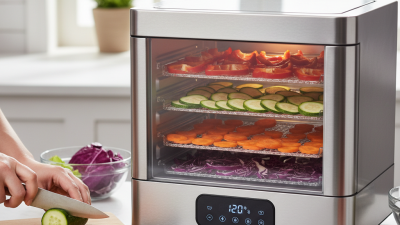
Using a Fruit Vegetable Dryer can significantly enhance the freshness of your produce. This appliance helps in preserving nutrients while maintaining flavor. Whether you are drying fruits for snacks or vegetables for soups, understanding how to use it effectively is crucial.
A Fruit Vegetable Dryer operates by circulating warm air. This process removes moisture, which can lead to spoilage. However, over-drying can also ruin texture and taste. It’s essential to find the right balance as you learn your dryer’s capabilities. Experimentation can lead to unexpected results, both good and bad.
Proper preparation is key. Washing and cutting fruits and vegetables into uniform pieces ensures even drying. Remember, not all produce dries the same way. Some may require pre-treatment to prevent browning. Reflecting on these factors can enhance your experience and produce quality. Keep in mind, a Fruit Vegetable Dryer is a valuable tool when used with knowledge and care.
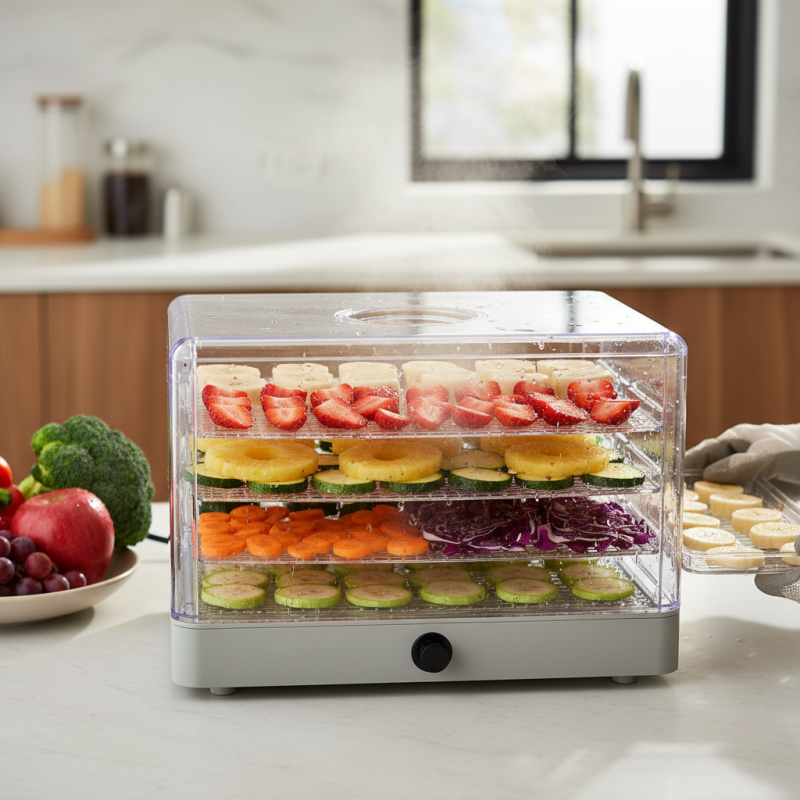
Understanding the Functionality of a Fruit Vegetable Dryer
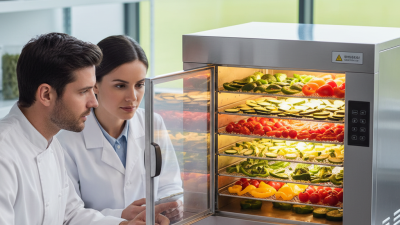
A fruit and vegetable dryer operates by circulating warm air around food items. This process removes moisture, which helps preserve freshness, color, and flavor. According to a report by the USDA, dried fruits retain about 70-90% of essential nutrients when dried properly. However, improper use may lead to uneven drying, which can affect food quality.
Tips: Always slice fruits and vegetables uniformly. This ensures even drying and better preservation.
Temperature settings matter. Most dryers have adjustable temperature controls. A range between 130°F to 160°F is ideal for most fruits. Using the correct temperature can enhance the drying process and prevent spoilage.
Even with the perfect devices, mistakes can occur. Some users forget to pre-treat fruits, affecting their color and taste. A simple dip in lemon juice can help maintain color. Ensuring food is clean and free from contaminants is essential for safety and longevity.
Selecting the Right Fruit and Vegetables for Drying
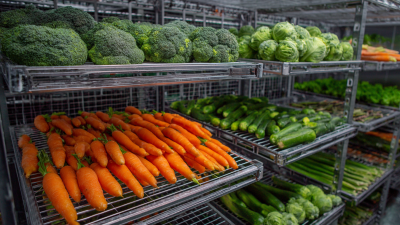
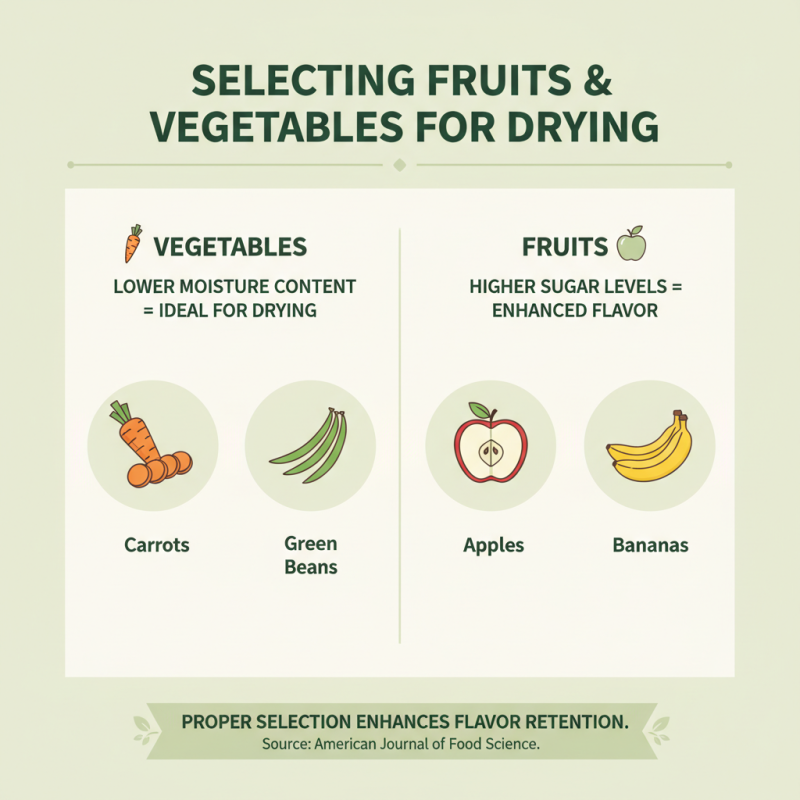
When selecting fruits and vegetables for drying, it’s essential to consider their moisture content. Vegetables like carrots and green beans have lower water content, making them ideal for drying. Meanwhile, fruits such as apples and bananas offer higher sugar levels. The American Journal of Food Science states that proper selection enhances flavor retention during the drying process.
Not all produce dries well. Some items, like strawberries, may not hold their shape after drying. This can lead to texture issues. Research has shown that certain varieties of produce yield better quality dried goods. For example, thicker-skinned fruits tend to provide more satisfying results.
It’s also crucial to inspect your produce closely. Any signs of spoilage can affect the final product's quality. A study from the Journal of Food Quality indicates that fresh, high-quality ingredients lead to superior drying outcomes. Selecting produce at its peak ripeness can prevent these issues. Drying should enhance flavors, but if the right selections are not made, results may be disappointing.
Preparing Your Produce for Optimal Drying Results
Preparing your produce for optimal drying results is crucial for maintaining its freshness. Begin by selecting high-quality fruits and vegetables. Look for items that are ripe and free of blemishes. Washing your produce thoroughly removes dirt and pesticides. This step also prevents any unwanted flavors in the final dried product. After washing, pat the items dry with a clean towel to eliminate excess moisture.
Slice your fruits and vegetables uniformly. Consistent thickness ensures even drying. For example, cut apples into uniform wedges or zucchini into even rounds. This process may seem tedious but pays off in the end. Some items, like tomatoes, benefit from blanching before drying. This step preserves color and enhances flavor.
Monitor the drying process closely. Not all fruits and vegetables dry at the same rate, and some might require more attention. Be prepared for trial and error. You may find that your first batch isn't perfect. Take notes on texture and taste, adjusting your methods accordingly. Creating the ideal dried produce requires practice and patience.
Freshness Levels of Different Fruits and Vegetables Before and After Drying
Settings and Techniques for Effective Drying
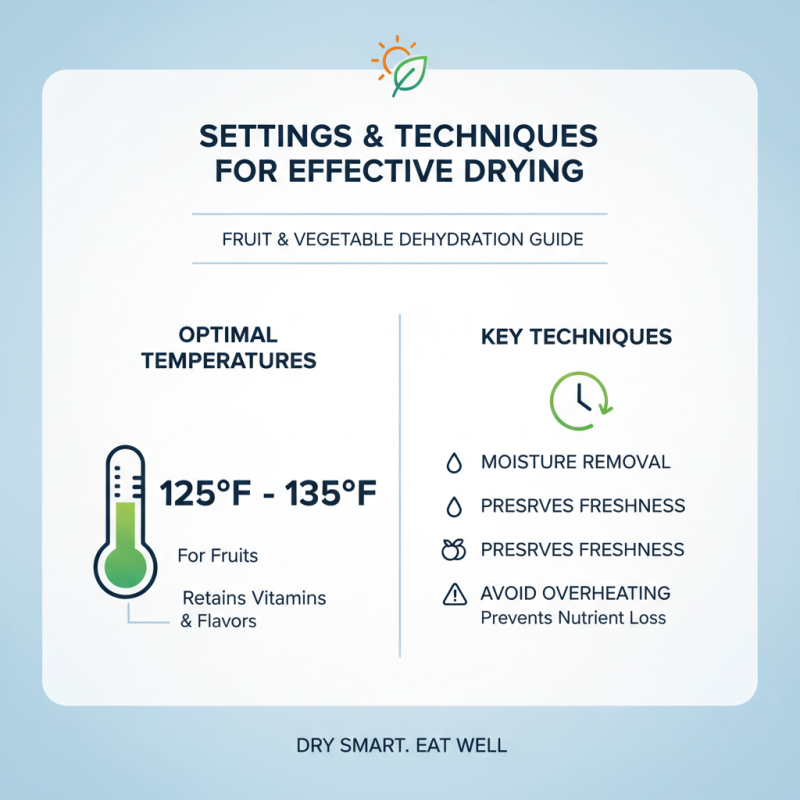
When using a fruit vegetable dryer, understanding the settings is crucial for preserving maximum freshness. According to recent industry reports, proper temperature settings for drying fruits range around 125°F to 135°F. This temperature ensures that moisture is effectively removed while retaining vitamins and flavors. Overheating can lead to nutrient loss, so attention is key.
Timing is another important aspect. Different fruits and vegetables require different drying times. For example, sliced apples may need 6 to 10 hours, while leafy greens can finish in just 1 to 3 hours. Monitoring their progress helps avoid over-drying, which can result in a leathery texture and diminished taste.
Experimenting with placement within the dryer can also yield varying results. Placing thicker pieces on the outer edges allows for better airflow, often resulting in more even drying. Some users report inconsistencies even after following guidelines, highlighting the importance of personal observation. Adjusting settings based on real-time feedback can enhance the drying experience.
Storing Dried Produce for Maximum Freshness and Flavor
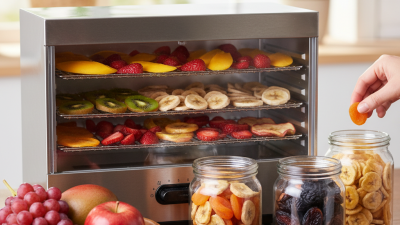
Storing dried produce correctly is crucial for maintaining its freshness and flavor. Choose airtight containers for storage. Glass jars or vacuum-sealed bags work well. These prevent oxygen and moisture from damaging the food. Label each container with the drying date. This helps in keeping track of freshness.
Keep the storage area cool and dark. Sunlight and heat can degrade the quality of dried fruits and vegetables. Aim for a temperature under 70°F (21°C). Moist climates can spoil your efforts. Silica gel packs can aid in absorbing any excess moisture. This simple addition can make a significant difference.
Remember, it’s not just about storage. Test the dried product occasionally. Taste and texture can change over time. Some fruits may lose their sweetness. Others might become tougher. A transparent commitment to monitoring the quality of your stored produce is essential. Enjoy what you’ve preserved, but be open to improving your process. Adjust and refine your methods for better results in the future.
How to Effectively Use a Fruit Vegetable Dryer for Maximum Freshness? - Storing Dried Produce for Maximum Freshness and Flavor
| Type of Produce |
Drying Time (Hours) |
Optimal Storage Temperature (°F) |
Recommended Storage Container |
Shelf Life (Months) |
| Apples |
6-8 |
60-70 |
Airtight jar |
12-18 |
| Carrots |
8-10 |
60-70 |
Vacuum-sealed bags |
10-12 |
| Tomatoes |
6-12 |
60-70 |
Glass jars |
12-18 |
| Bananas |
8-10 |
60-70 |
Airtight container |
6-12 |
| Peppers |
4-8 |
60-70 |
Mason jars |
8-12 |