How to Choose a Fruit Vegetable Dryer in 2026?
Choosing a Fruit Vegetable Dryer in 2026 requires more than comparing price tags and wattage. Product quality depends on airflow, temperature control, drying uniformity, hygiene, and energy use. A machine may look efficient in a showroom, yet produce leathery mango slices or brittle carrots at home.
The Food and Agriculture Organization reports that 13.2% of food was lost globally between harvest and retail in 2021. The UNEP Food Waste Index Report 2024 also estimated 1.05 billion tonnes of food waste in 2022. These figures show why reliable preservation equipment matters. However, drying alone cannot solve every supply-chain problem.
Drying expert Arun S. Mujumdar has written, “Drying is an energy-intensive operation.” That warning remains practical in 2026. Buyers should examine power consumption, heat recovery, insulation, and real operating capacity. A dryer rated for ten trays may perform poorly when trays are fully loaded.
Look closely.
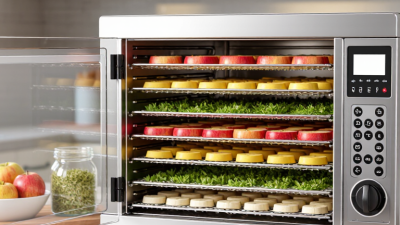
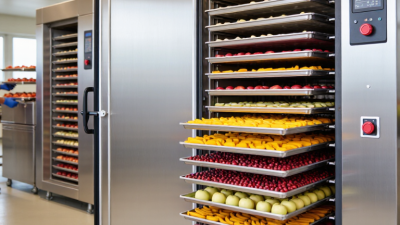
For small farms, cabinet dryers with adjustable airflow may offer better control than basic household models. Commercial processors may need stainless-steel chambers, programmable recipes, humidity monitoring, and easy-clean surfaces. Heat-pump systems can reduce energy use, but their purchase price and maintenance needs deserve careful review.
There is no perfect dryer. Some claims sound impressive but lack independent testing. This is where buyers should slow down. Compare verified specifications, warranty terms, food-contact materials, and service availability. A thoughtful choice protects texture, color, safety, and operating costs—not merely the first budget.
Define Product Capacity: Compare 5–20 kg Fresh-Produce Loads by Daily Output
How to Choose a Fruit Vegetable Dryer in 2026?
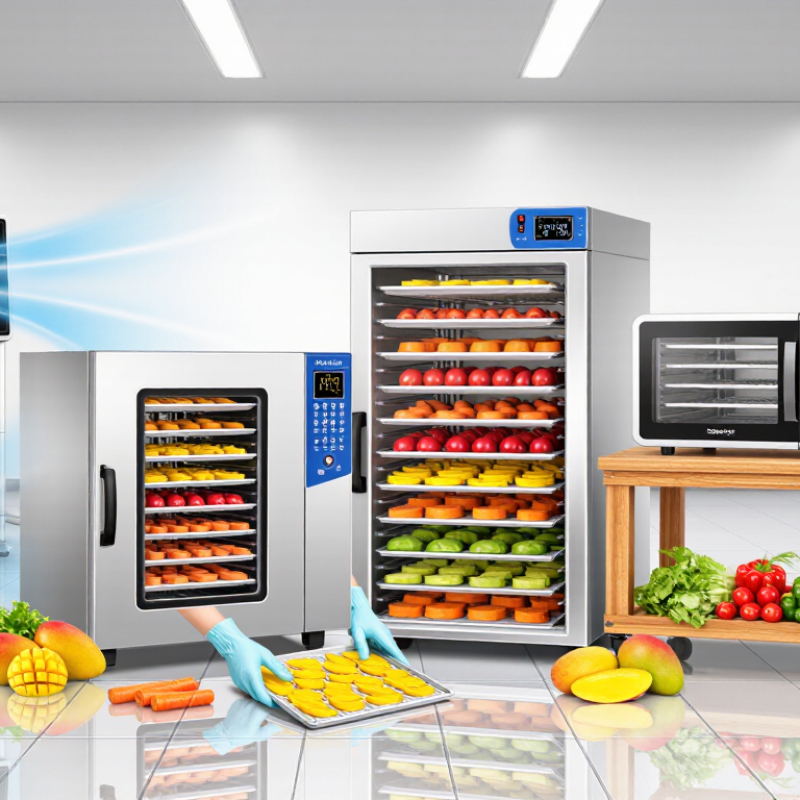
A dryer’s capacity should match the amount of fresh produce you process each day. Models handling 5–20 kg per load suit different routines, from occasional garden harvests to steady small-batch production. A 5 kg load may work for a household drying apples or herbs. A 20 kg load can help when several trays must be prepared daily. Bigger is not always better.
Estimate daily output before comparing machines. Fresh produce loses substantial weight as moisture evaporates, so 10 kg of raw fruit will not yield 10 kg of dried product. The result varies by fruit, slice thickness, and target dryness. Check usable tray area, loading guidance, and drying time, not just the advertised maximum load. If one batch takes eight hours, your daily capacity may be limited even with many trays. These estimates are imperfect; test a typical batch when possible.
Tips: Weigh a normal day’s produce for one week. Note peak harvest days, too. Choose a capacity that handles your usual volume without forcing overloaded trays, which can slow airflow and produce uneven results. Leave some room for busier days, but remember that unused capacity still takes energy and storage space.
Set Drying Targets: Control 50–70°C Airflow and Water Activity Below 0.60
How to Choose a Fruit Vegetable Dryer in 2026?
A suitable dryer must control both temperature and airflow. The National Center for Home Food Preservation recommends about 60°C for fruit drying. This range removes moisture without rapidly hardening the outer surface. Choose a unit with adjustable airflow and stable heat control. A display alone is not enough.
Target 50–70°C air temperature, depending on the crop and slice thickness. Thin apple slices may dry near 55°C, while dense vegetables may need higher heat. Keep trays evenly spaced. Crowded trays create damp pockets and uneven texture. I have found that rotating trays can help, but it also reveals poor airflow design.
Measure water activity, not only weight loss. The U.S. Food and Drug Administration identifies 0.85 aw as an important safety control point. A target below 0.60 gives stronger protection against microbial growth, according to established food safety research. Use a calibrated water-activity meter after the product cools. Then seal a sample for 24 hours and test it again. Moisture can redistribute. The target is useful, not magic. Over-drying wastes energy and may damage color. Under-drying creates risk. Drying records should include temperature, time, batch weight, and final aw. These details support repeatable decisions and align with practical quality-control guidance from USDA and FDA sources.
Compare Dryer Technologies: Assess Hot-Air, Heat-Pump, Vacuum, and Solar Systems
How to Choose a Fruit Vegetable Dryer in 2026?
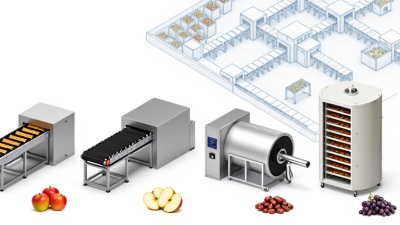
Choosing a fruit and vegetable dryer starts with the crop, not the machine. Hot-air dryers are usually affordable and easy to operate. They push heated air across sliced produce, but high temperatures can darken fruit and reduce aroma. Heat-pump dryers recycle heat inside a closed system. They often use less energy and offer steadier temperatures. The IEA’s 2022 heat-pump report says wider adoption could cut global emissions by at least 500 million tonnes annually by 2030. That figure is not dryer-specific, but it shows the technology’s efficiency potential.
Vacuum dryers remove moisture at lower temperatures. They can protect color, flavor, and sensitive nutrients, yet their pumps and sealed chambers raise maintenance costs. Solar dryers reduce electricity demand, especially in sunny rural areas. However, clouds, humidity, and night temperatures interrupt production. FAO reported that 13.2% of food was lost between harvest and retail in 2021. Reliable drying can help, but poor airflow may create uneven moisture and hidden spoilage. No system wins every crop.
Tips: Measure the moisture level inside the thickest pieces, not only the surface. Compare energy use per kilogram of dried produce. Check temperature control, airflow adjustment, cleaning access, and spare-part availability. I would avoid choosing from price alone. My own judgment would change after testing one full batch, because laboratory claims can feel different beside a loaded drying tray.
Evaluate Efficiency: Measure Specific Energy Use in kWh per Kilogram of Water Removed
When comparing fruit and vegetable dryers in 2026, ask for specific energy consumption: kilowatt-hours used per kilogram of water removed. This normalizes performance better than comparing motor power or drying time alone. The theoretical heat needed to evaporate water near its boiling point is about 0.63 kWh per kilogram, based on water’s latent heat of vaporization. Real dryers consume more because exhaust air, equipment surfaces, and imperfect loading also absorb heat. The European Commission’s 2019 Best Available Techniques Reference Document for the Food, Drink and Milk Industries treats energy efficiency as an important operational consideration, but actual dryer performance depends on the product and process.
Request test results that state starting and final moisture, batch size, inlet-air temperature, and measurement method. A tray of thin apple slices is not comparable to a deep load of carrot pieces. Weigh the product before and after drying, and record electricity use over the same run. Divide kilowatt-hours by kilograms of water removed. Small details matter: a humid room or unevenly loaded trays can distort the result. One test is not enough.
Tips: Ask for measured kWh per kilogram of water removed, not an estimated figure. Check whether fan, heater, and controls are included. Repeat the test with your own produce; the result may be less tidy than the sales sheet.