Leave Your Message
AI Helps Write

What Are the Top Heat Pump Types in 2026?

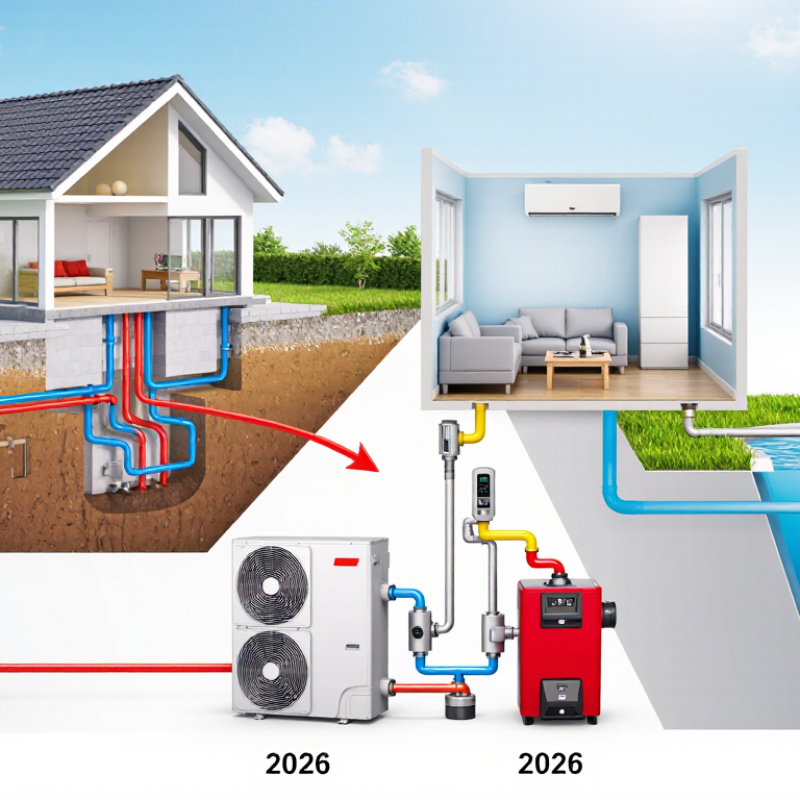
In 2026, heat pumps come in several distinct forms, and the right choice depends on more than a headline efficiency rating. A Heat Pump moves heat rather than generating it directly, but its performance and installation needs vary by design. Air-source systems draw heat from outdoor air, while ductless mini-splits deliver it to individual rooms without relying on extensive ductwork. Ground-source models exchange heat with the earth, and water-source systems depend on a suitable water supply. Hybrid systems pair a heat pump with a second heating source.

There is no universal winner. Cold-climate air-source units can suit homes with long winters, but their output and efficiency still depend on outdoor conditions and model specifications. Ductless systems may work well in additions or older homes with uneven room temperatures. Ground-source systems can offer steady performance, though drilling or trenching may add cost and site constraints. The labels can blur. I would not rank these options without considering the house, local climate, electricity prices, and installation quotes.

This guide compares the main heat pump types by how they work, where they tend to fit, and what owners should check before buying. Look at published heating performance, compatible controls, noise ratings, and the quality of the proposed installation. For cold-weather comparisons, check recognized ratings such as HSPF2 and the manufacturer’s capacity data at low temperatures. A high rating alone cannot promise comfort. Local conditions matter, and the fine print deserves a second look.
What Are the Top Heat Pump Types in 2026?

What Is a Heat Pump and How Does It Work?

What Are the Top Heat Pump Types in 2026?
What Is a Heat Pump and How Does It Work?

A heat pump is an electric system that moves heat instead of generating it through combustion. In winter, its outdoor coil absorbs heat from the air, even when the air feels cold. Refrigerant carries that heat indoors, while a compressor raises its temperature. A reversing valve lets the cycle run backward for cooling. It moves heat. The U.S. Department of Energy’s Energy Saver guide says heat pumps can use about 50% less electricity for heating than electric resistance systems. That comparison is useful, but it is not a guarantee for every home.

The International Energy Agency’s 2022 report, The Future of Heat Pumps, estimates that heat pumps could supply nearly 20% of global heating needs by 2030 under its Announced Pledges Scenario. Their real-world performance depends on outdoor temperatures, insulation, system sizing, and installation quality. A poorly designed setup can disappoint. The name can also mislead: a heat pump does not create warmth from nothing; it transfers available heat.

Tips: Check your home’s insulation and existing ducts before choosing a system. Ask an installer to explain expected performance in your local winter conditions. Compare those estimates with your current heating bills, not just the unit’s advertised efficiency.
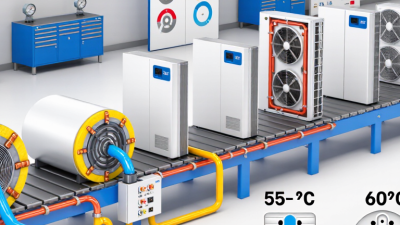
What Are the Main Heat Pump Types in 2026?

In 2026, the main heat pump types are air-to-air, air-to-water, ground-source, and water-source systems. They move heat rather than generate it through combustion, but their designs suit different buildings.

An air-to-air unit transfers heat between outdoor air and indoor rooms. Many can also provide cooling, which is useful during hot weather. Performance can drop in very cold conditions, so local climate and backup heating matter.

Air-to-water systems draw heat from outdoor air and deliver it through water-based heating, such as radiators or underfloor pipes. They can also heat domestic water, though the home’s existing emitters may need changes.

Ground-source systems draw heat from buried pipes, where temperatures are generally steadier than outdoor air. That stability can help, but excavation or drilling adds cost and requires suitable land.

Water-source systems use a nearby water body or well; they are practical only where site conditions and water access allow.

Hybrid systems pair a heat pump with another heating source, often for colder periods. Not always the simplest choice. A simple ranking can mislead: a compact air-to-air unit may fit a small, well-insulated home, while a larger house with radiators may need a different setup. Compare installation limits, operating climate, hot-water needs, and expected maintenance before choosing.

How Do Air-Source, Ground-Source, and Water-Source Systems Differ?

What Are the Top Heat Pump Types in 2026?

How Do Air-Source, Ground-Source, and Water-Source Systems Differ?

Air-source heat pumps transfer heat between a building and outdoor air. They usually need less installation work because they do not require buried pipes or a nearby water supply. Their performance can drop during very cold weather, though modern systems vary. On a frosty morning, outdoor coils may need to defrost, briefly affecting comfort. No option wins everywhere.

Ground-source systems exchange heat with soil through buried loops. Underground temperatures are steadier than winter air, which can support consistent efficiency. But excavation requires suitable land, careful design, and higher upfront investment. Water-source systems use a lake, well, or other suitable water body as their heat exchange source. They can perform well, but water quality, access, and system maintenance matter. The details can be less straightforward than a brochure suggests; a site assessment is essential.

Tips: Compare estimated seasonal performance, installation costs, and local climate—not just headline efficiency. Ask an experienced installer to assess insulation, available space, and heat demand. Check what happens during defrost cycles or low-water conditions. A written estimate helps, but assumptions should be reviewed.

What Are the Benefits and Limitations of Each Heat Pump Type?

Air-source heat pumps move heat between a building and outdoor air. They are widely used because installation usually requires less digging than ground-source systems. Cold-climate models can provide heat in low temperatures, but output and efficiency still vary with weather. Defrost cycles may briefly interrupt heating. That matters. Ductless mini-splits can heat separate rooms without existing ducts, though several indoor units may affect room appearance and cost.

Ground-source heat pumps exchange heat with buried pipes, where temperatures change less sharply than outdoor air. This can support steady performance through cold winters. The trade-off is substantial excavation or drilling, which raises upfront costs and may not suit small lots or difficult ground conditions. Installation quality is crucial. Poorly designed loops can undermine expected performance, and savings depend on electricity prices and the home’s heating needs.

Water-source systems use a nearby water body or well as their heat exchange source. Under suitable conditions, water temperatures can make heat transfer efficient. However, access, water quality, permitting, and system design all need careful assessment. Not every site qualifies. For any type, an accurate heat-loss calculation matters more than choosing a system by category alone. Insulation, air leaks, existing ducts, and local winter temperatures can change the result; even a promising setup may disappoint if those details are overlooked.

What Are the Top Heat Pump Types in 2026? — Benefits and Limitations of Each Heat Pump Type

Heat Pump Type How It Works Key Benefits Limitations Best Suited For
Ducted Air-Source Heat Pump Transfers heat between outdoor air and indoor air, distributing conditioned air through ductwork. Uses existing ducts when they are in good condition; provides whole-home heating and cooling; avoids on-site combustion. Efficiency and heating capacity generally decrease as outdoor temperatures fall; leaky or poorly insulated ducts can reduce performance. Homes with serviceable ductwork and enough outdoor space for an outdoor unit.
Ductless Mini-Split Heat Pump Connects one or more indoor air handlers directly to an outdoor unit without requiring ducts. Allows room-by-room temperature control; avoids duct losses; can be practical for additions, older homes, or individual zones. Indoor units are visible; multiple zones may require careful planning; performance in very cold weather depends on system design and local conditions. Homes without ducts, room additions, and spaces that need independent heating or cooling.
Cold-Climate Air-Source Heat Pump A specially designed air-source system intended to maintain useful heating performance at lower outdoor temperatures. Can provide efficient heating through a longer portion of the heating season and may reduce reliance on a separate heating system. Capacity and efficiency still vary with outdoor temperature; the right sizing, installation, and backup-heating plan are important. Homes in regions with cold winters where an air-source system is being considered for primary heating.
Ground-Source (Geothermal) Heat Pump Exchanges heat with the ground through buried horizontal loops or vertical boreholes. Ground temperatures are more stable than outdoor air, supporting consistent seasonal performance; the indoor equipment can have a long service life when properly maintained. Higher installation cost; excavation or drilling is required; site conditions, land availability, and local permits affect feasibility. Owners planning a long-term installation with suitable land or access to drilling.
Water-Source Heat Pump Transfers heat to or from a water source, such as a suitable pond, lake, well, or shared water loop. Water can provide a relatively stable heat-exchange source; may perform well when a suitable, permitted source is available. Requires an appropriate water source and system design; water quality, environmental rules, maintenance, and permitting can add complexity. Properties with a suitable water resource or buildings connected to a shared water loop.
Hybrid Heat Pump System Combines an air-source heat pump with a separate furnace or boiler; controls select the heat source based on operating conditions. Can use the heat pump in suitable conditions and switch to the other heating system when needed; may be useful where winter design temperatures are very low. Retains combustion equipment and its fuel requirements; adds system controls and maintenance considerations; savings depend on energy prices and control settings. Homes with an existing furnace or boiler where a staged transition to heat-pump heating is preferred.
Exhaust-Air Heat Pump Recovers heat from outgoing indoor ventilation air and transfers it to incoming air or a water-heating system. Captures some heat that would otherwise leave through ventilation; can integrate with efficient, well-sealed buildings. Available heat is limited by the volume and temperature of exhaust air; may not meet a building’s full heating demand on its own. Well-insulated buildings with planned mechanical ventilation and compatible system design.

Note: Actual efficiency, capacity, installation cost, and suitability depend on climate, equipment design, building insulation, system sizing, installation quality, and local energy prices. Check current local codes and qualified installer guidance before selecting a system.

How Can You Choose a Heat Pump for a Specific Building?

What Are the Top Heat Pump Types in 2026?
How Can You Choose a Heat Pump for a Specific Building?

Choosing a heat pump starts with the building, not the equipment label. An air-source system may suit a typical home with outdoor space and compatible ducts. Ductless units can work well in additions or rooms that lack ductwork. Ground-source systems need suitable land and higher upfront investment. Water-source options depend on a reliable, appropriate water source. Have a qualified HVAC professional assess heating and cooling loads before sizing a system. A unit that is too large may cycle frequently and provide uneven comfort.

Tips: Check insulation, window drafts, and electrical capacity. Ask how the system performs during local cold spells. Compare expected operating costs, installation needs, and maintenance—not just purchase prices. Small details matter.

For an older building, improving air sealing may reduce the size of the system needed. Radiators or other hydronic heating can affect which system and upgrades make sense. Consider where outdoor equipment will sit, too; bedroom windows and narrow side yards can make noise noticeable. Review the proposed design, including backup heat and room-by-room comfort. Even careful estimates can miss how people actually use a space. That is worth discussing before installation.

What Are the Top Heat Pump Types in 2026?

Typical heating COP ranges vary with outdoor conditions, system design, and water or air delivery temperature.

Choosing for your building: Air-source systems can suit homes with existing ductwork or room for indoor units. Ground-source systems may suit properties with space for ground loops and long-term plans. Water-source systems require a suitable water source or loop. Air-to-water systems can work with hydronic heating, especially lower-temperature radiant floors.

COP is heat delivered per unit of electricity. The ranges are approximate, not a guarantee of performance; compare rated seasonal efficiency and confirm suitability with a qualified installer.