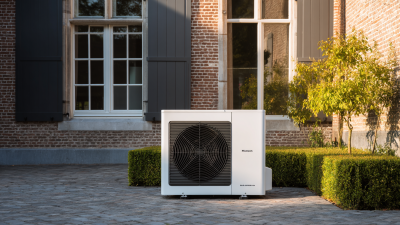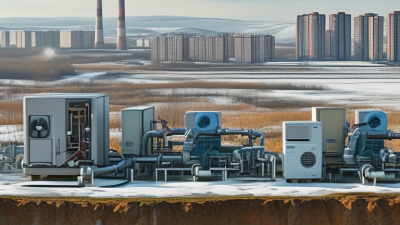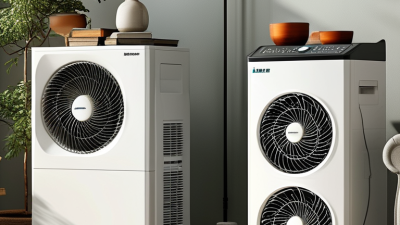
Choosing the top Air Energy Heat Pumps requires more than comparing seasonal efficiency figures. Global buyers face different climates, electricity prices, building styles, and installer capabilities. A reliable model in southern Europe may perform differently in a Canadian winter or a humid coastal market. The strongest choices usually balance heating output, cooling comfort, noise control, service access, and long-term operating costs. They should also use clearly identified refrigerants and provide transparent technical documentation. Performance starts with context.
A coastal home may need corrosion protection and careful drainage. A cold-climate property may require stable output below freezing temperatures. These practical details often matter more than a polished brochure. Yet “top” is never universal. No ranking is perfect.
This guide evaluates Air Energy Heat Pumps through an evidence-based, buyer-focused lens. It considers laboratory ratings, field experience, warranty conditions, controls, maintenance requirements, and regional compatibility. Independent testing can support manufacturer claims, but real installation quality remains equally important. Installation matters. A correctly sized system can reduce cycling, improve comfort, and protect household energy budgets. Poor commissioning may create noise, uneven temperatures, and disappointing efficiency, even with excellent equipment.
The discussion also considers manufacturer support, replacement parts, installer training, and published performance data. Some brands communicate these details openly. Others leave buyers searching. That gap deserves attention. Readers should compare verified specifications, local service networks, and total ownership costs before deciding. The aim is practical guidance, not a flawless verdict. Expect useful comparisons, visible uncertainties, and a few questions worth asking twice.

A top air energy heat pump is not defined by a high brochure rating alone. Global buyers should examine performance across real outdoor temperatures. A unit showing strong efficiency at 7°C may struggle at -10°C. Ask for tested heating capacity, seasonal efficiency, and defrost performance. These figures reveal more than a single laboratory number.
Climate fit matters. A coastal home may need corrosion protection, while a cold inland property needs reliable low-temperature operation. Check voltage, frequency, water temperature, noise levels, and local installation rules.
In my experience, poor sizing causes more complaints than modest efficiency differences. An oversized unit can cycle frequently and waste energy. An undersized unit may depend heavily on backup heating.
Refrigerant choice also deserves attention. Buyers should review safety data, service requirements, and future regulatory direction in their market. Look for clear technical manuals, independent testing, trained installers, and accessible replacement parts.
Warranty length helps, but response time matters more when winter temperatures fall sharply. Remote monitoring can expose faults early, although internet access is not equally dependable everywhere. I would not call any model universally superior. A strong heat pump is one that matches local climate, electrical conditions, building insulation, and service capability. That judgement requires careful site data, not optimistic sales language.
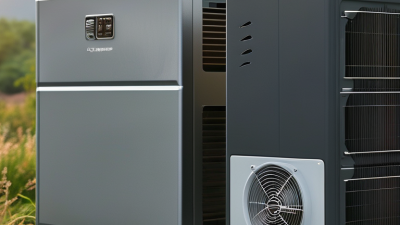
Top Air Energy Heat Pumps for Global Buyers
How Air Energy Heat Pumps Work Across Different Climates
Air energy heat pumps transfer heat between outdoor air and indoor rooms. In winter, refrigerant absorbs available outdoor heat, even when temperatures fall below freezing. The compressor raises its temperature before indoor distribution. During summer, the cycle reverses and removes heat from interior spaces.
Climate changes performance. Cold regions may need larger coils, careful defrost control, and supplementary heating during severe weather. Frost can reduce airflow and efficiency. In hot, humid areas, cooling demand rises, while poor moisture control can leave rooms feeling uncomfortable. Dry climates usually require strong cooling capacity and protection from dust. Coastal installations need corrosion-resistant outdoor cabinets. Small details matter.
A reliable selection starts with a local heat-loss and heat-gain assessment. Wall insulation, window area, altitude, and electricity quality all influence results. The highest rated efficiency number does not guarantee the lowest annual cost. Real performance changes with weather, maintenance, and user settings. That part is easy to underestimate. Buyers should check seasonal efficiency data, operating limits, noise levels, spare-part support, and qualified installation practices. Drainage also deserves attention, especially where freezing water can damage outdoor equipment. Some projects still need backup heating, although better sizing can reduce its use. The simple promise is attractive, but climate-specific design remains the harder and more important decision.
For global buyers, an air-source heat pump should be judged beyond its advertised efficiency. The International Energy Agency reported in 2022 that heat pumps can be three to five times more energy efficient than conventional fossil-fuel boilers. However, laboratory COP values can mislead. Seasonal performance, measured as SCOP, better reflects changing outdoor temperatures, defrost cycles, and part-load operation.
Capacity must remain credible during cold weather. A unit rated at 10 kW near 7°C may deliver much less at -7°C. NEEP’s Cold Climate Air Source Heat Pump Specification requires tested capacity retention at low temperatures and a minimum COP of 1.75 at 5°F (-15°C). Buyers should request capacity tables, not only headline ratings. Check output at -15°C and -20°C. That detail matters.
Operating range also affects installation risk. A heat pump may technically run below -25°C, yet its heating output can fall sharply during defrosting. The EN 14825 seasonal method helps compare products under realistic load conditions, but regional weather data remains essential. Coastal winters, dry continental cold, and humid frost create different demands. Field experience suggests that undersized systems often trigger backup heating too frequently. Oversizing is not harmless either; it can increase cycling and reduce comfort. I would verify noise, refrigerant limits, service access, and electrical demand before comparing prices. Some published figures still feel too optimistic.
Typical performance ranges for commonly specified air-source heat pump configurations
| Heat Pump Configuration | Typical Application | Nominal Heating Capacity | Seasonal Efficiency | Low Ambient Operating Range | Maximum Supply-Water Temperature | Recommended Climate | Key Selection Consideration |
|---|---|---|---|---|---|---|---|
| Air-to-Air Heat Pump Single-Zone |
Residential rooms, apartments, small offices, and supplementary heating | 2.5–7.0 kW | SCOP: 4.0–5.2 | Approximately −15°C to 46°C | Not applicable; directly supplies conditioned air | Moderate and warm climates | Check indoor airflow, defrost behavior, sound pressure, and part-load efficiency |
| Air-to-Air Heat Pump Multi-Zone |
Several rooms, small commercial premises, and mixed-use buildings | 5.0–14.0 kW | SCOP: 3.8–5.0 | Approximately −20°C to 46°C | Not applicable; directly supplies conditioned air | Moderate, cool, and warm climates | Verify simultaneous heating and cooling capability, refrigerant piping limits, and controls |
| Air-to-Water Heat Pump Low-Temperature |
Underfloor heating, fan-coil systems, and well-insulated new buildings | 4.0–16.0 kW | SCOP: 3.8–4.8 | Approximately −20°C to 43°C | 35–45°C recommended design flow temperature | Moderate and cool climates | Best efficiency is achieved with low-temperature emitters and accurate system sizing |
| Air-to-Water Heat Pump Medium-Temperature |
Residential radiators, domestic hot water, and retrofit projects | 6.0–22.0 kW | SCOP: 3.2–4.3 | Approximately −20°C to 43°C | 45–55°C typical; higher temperatures may reduce efficiency | Cool and mixed climates | Confirm output capacity at the local design temperature rather than relying only on nominal ratings |
| Air-to-Water Heat Pump High-Temperature |
Older buildings with high-temperature radiators and partial heating retrofits | 8.0–30.0 kW | SCOP: 2.8–3.8 | Approximately −15°C to 40°C | 55–70°C, depending on system design | Cool climates and difficult retrofit applications | Higher water temperatures generally increase power consumption; radiator assessment is essential |
| Commercial Modular Air-to-Water System |
Hotels, schools, retail buildings, warehouses, and light industrial facilities | 30–200 kW per system group | SCOP: 3.0–4.2 | Approximately −20°C to 45°C | 45–60°C typical | Cool, mixed, and warm climates | Evaluate cascade control, redundancy, hydraulic separation, service access, and electrical demand |
| Cold-Climate Air-Source Heat Pump |
Homes and commercial buildings exposed to prolonged sub-zero temperatures | 5.0–25.0 kW | SCOP: 3.0–4.2 | Approximately −25°C to 43°C | 40–55°C typical | Cold and subarctic climates | Compare certified heating capacity at −7°C and −15°C, defrost frequency, and backup-heater requirements |
| Reversible Air-Source Heat Pump |
Buildings requiring both space heating and summer cooling | 5.0–100.0 kW | Heating SCOP: 3.2–4.8 Cooling SEER: 5.5–8.5 |
Approximately −20°C to 46°C | 35–55°C typical | Mixed and warm climates | Review seasonal cooling efficiency, condensate management, and operating limits in both modes |
| Domestic Hot Water Heat Pump |
Residential hot-water production, hospitality, and low-demand commercial use | 1.5–8.0 kW thermal output | COP: 2.5–4.0 | Approximately −7°C to 43°C air inlet temperature | 50–60°C typical; periodic high-temperature sanitation may be required | Moderate and warm climates | Check tank volume, recovery time, anti-legionella control, and backup heating method |
| Pool Heating Air-Source Heat Pump |
Residential pools, spas, and seasonal aquatic facilities | 5.0–35.0 kW thermal output | COP: 5.0–7.0 under favorable conditions | Approximately 5°C to 43°C air temperature | 26–35°C pool-water temperature | Warm and moderate climates | Performance depends strongly on air humidity, pool cover use, water flow, and target temperature |
| Low-GWP Refrigerant Air-Source Heat Pump |
Projects prioritizing reduced refrigerant environmental impact and regulatory readiness | 4.0–100.0 kW, depending on configuration | SCOP: 3.0–4.8 | Approximately −25°C to 46°C, depending on refrigerant and design | 35–60°C typical | Global markets with evolving refrigerant regulations | Confirm refrigerant classification, charge limits, installer requirements, and local compliance obligations |
| Notes: The figures above are representative industry ranges rather than specifications for a particular company or brand. Actual performance varies with outdoor temperature, flow temperature, humidity, defrost cycles, installation quality, control settings, and test standards. For international purchasing, compare certified data at the same rating conditions, especially COP, SCOP, heating capacity at low ambient temperatures, sound level, electrical input, and applicable safety certifications. | |||||||
Top Air Energy Heat Pumps for Global Buyers?
Air-source heat pumps differ mainly by their heating output and distribution method. Air-to-air models warm rooms quickly through indoor fans. Air-to-water systems feed radiators, underfloor loops, or domestic hot-water cylinders. Monobloc units keep the refrigerant circuit outdoors. Split systems divide it between outdoor and indoor sections. This affects installation skills, freezing protection, and service access.
Performance claims need careful comparison. Check heating capacity at specific outdoor temperatures, not only the rated capacity. A unit producing 8 kW at 7°C may deliver less at -5°C. Look for COP, SCOP, sound pressure, defrost behavior, and standby consumption. In a quiet residential area, a low night-time noise rating matters. Condensate can also freeze near walkways. Small details matter.
International buyers should review IEC 60335-2-40 for safety requirements, EN 14511 for performance testing, and EN 14825 for seasonal efficiency. ISO 5151 may help when comparing air-conditioning performance. Local rules may still require additional electrical, refrigerant, or building approvals. Refrigerant choice deserves attention, especially regarding charge limits and installation design. A trained installer should verify pipe length, airflow, water quality, and backup heating. Field experience shows that poor sizing causes cycling, while oversized equipment can increase cost and reduce comfort. I once underestimated defrost noise on a cold, humid site. The specification looked strong, but the night-time experience was different. Measurements should support the brochure, not replace them.
Top Air Energy Heat Pumps for Global Buyers?
How to Select an Air Energy Heat Pump for Your Market and Property
Selecting an air energy heat pump requires more than comparing seasonal efficiency figures. Your local climate, electricity price, building insulation, and water temperature needs all matter. A system suited to a mild coastal home may struggle in a freezing inland town. Check performance data at low outdoor temperatures, not only at the best rated condition. Cold-weather output matters.
Measure the property carefully. A poorly insulated 180-square-metre house may need a larger system than a well-insulated 250-square-metre home. Oversizing can cause short cycling, higher costs, and uneven comfort. Undersizing may leave rooms cold during peak demand. I have seen calculations rely on floor area alone, which is convenient but often incomplete. Window size, ceiling height, occupancy, and existing radiators deserve attention.
Tips: Ask for capacity tables, sound levels, operating limits, warranty terms, and local service support. Confirm compatibility with your electrical supply and domestic hot-water temperature. Check whether trained installers can provide hydraulic balancing and a commissioning report. A high efficiency rating is useful, but real performance depends on installation quality. Noise can also surprise buyers, especially when the outdoor unit sits near a bedroom or boundary. Leave space for airflow and future maintenance. Availability of replacement parts matters, too. Sometimes the cheapest purchase becomes the least practical choice.