Essential Tips for Choosing the Right Heatpump Split System?
When selecting the right Heatpump Split system, understanding industry standards is crucial. According to the "2022 HVAC Market Analysis," over 70% of homeowners prioritize energy efficiency. In a world that is increasingly conscious of energy costs, this statistic is more relevant than ever. Choosing an optimal Heatpump Split system not only reduces energy bills but also minimizes environmental impact.
Industry expert Dr. James Thornton emphasizes, "The right heat pump can save homeowners significant costs while enhancing comfort." His insights reflect the growing trend towards sustainable living and smarter energy use. With advanced technology, modern Heatpump Split systems provide superior performance. They are designed to adapt to various climates and usage patterns.
Yet, despite these advancements, the choices can be overwhelming. Many consumers are unsure of how to evaluate their needs effectively. It’s essential to reflect on your specific requirements and seek knowledgeable advice before making a decision. A well-informed choice can lead to long-term satisfaction and efficiency.
Understanding Heatpump Split Systems: An Overview
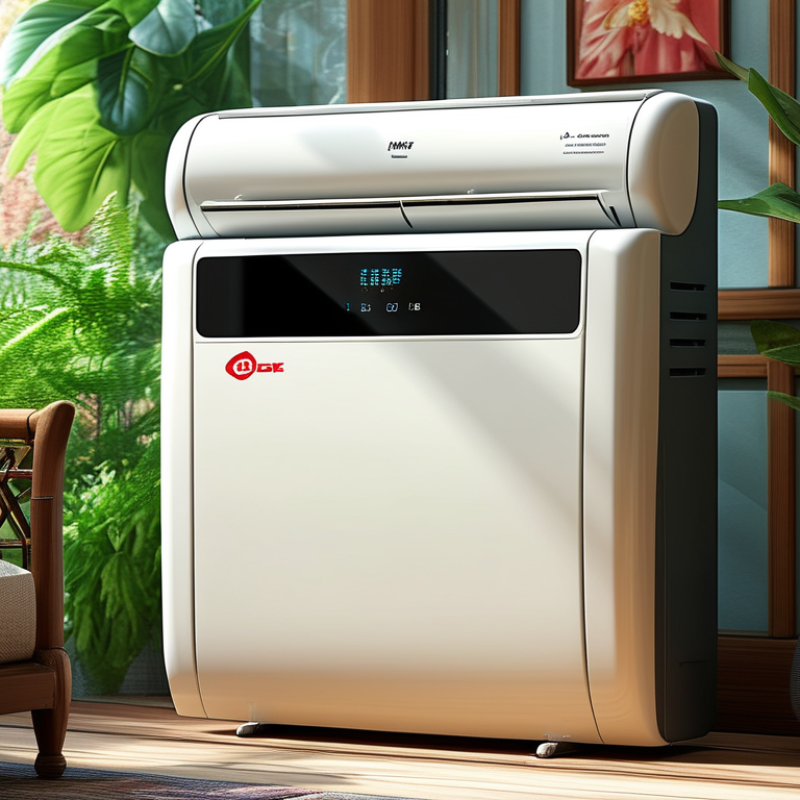
Heat pump split systems efficiently regulate indoor temperatures by transferring heat. They consist of an indoor unit and an outdoor unit, providing flexibility in installation. These systems use refrigerants, which absorb heat, transferring it inside during winter and outside in summer. Understanding their components and functioning is essential for making an informed choice.
When selecting a heat pump split system, consider its capacity. A unit that is too small won't efficiently heat or cool your space. Conversely, an oversized unit may lead to rapid cycling, resulting in increased wear and energy waste. Many homeowners overlook the importance of proper sizing and end up dissatisfied with performance.
Energy efficiency ratings matter too. Look for systems with high Seasonal Energy Efficiency Ratio (SEER) and Heating Seasonal Performance Factor (HSPF) ratings. A higher rating often means lower utility bills. Also, familiarize yourself with noise levels. Some models operate quietly, while others can be quite loud, potentially disrupting your living space. It’s crucial to balance efficiency with comfort and noise.
Essential Tips for Choosing the Right Heatpump Split System
| Feature |
Importance |
Considerations |
| Energy Efficiency Rating |
High |
Look for SEER and HSPF ratings |
| Heating Capacity |
High |
Match the size to your space |
| Noise Level |
Medium |
Select models with lower decibels |
| Warranty Period |
Medium |
Longer warranties can indicate quality |
| Installation Type |
High |
Consider professional installation vs DIY |
| Smart Features |
Medium |
Look for connectivity options |
Key Factors to Consider When Choosing a Heatpump Split System
When choosing the right heat pump split system, several key factors deserve attention. The size of the unit is crucial. An undersized system may struggle to meet heating or cooling demands, while an oversized one can lead to inefficiency. Ensure the system capacity matches the space's requirements. This prevents wasted energy and higher utility bills.
Efficiency ratings are another important aspect. Look for units with better SEER (Seasonal Energy Efficiency Ratio) and HSPF (Heating Seasonal Performance Factor) ratings. Higher ratings indicate better energy use, which translates to lower costs over time. However, these high-efficiency options may come with higher upfront costs, leading to a balancing act.
Consider installation space as well. Ensure there’s adequate clearance for airflow and access to the outdoor unit. Additionally, think about the noise level. Some systems operate quietly, making them ideal for bedrooms or living areas. While you may feel tempted by cheaper options, reflect on the long-term savings and comfort that a quality system provides. The right choice impacts not just your wallet but also your comfort year-round.
Evaluating Energy Efficiency Ratings for Optimal Performance
When selecting a heat pump split system, energy efficiency ratings should be a top priority. These ratings inform you about the system's operational cost and environmental impact. Look for the Seasonal Energy Efficiency Ratio (SEER) and Heating Season Performance Factor (HSPF) ratings. Higher numbers often indicate better efficiency, which can lead to significant savings on your energy bill.
Consider the type of climate in your area. Systems rated highly for energy efficiency may perform differently in extreme temperatures. For instance, a unit that excels in warm climates may struggle in cold weather, decreasing its overall effectiveness. It's crucial to balance the efficiency rating with your local climate needs.
Reflecting on your unique space is also essential. Assess the size of the area needing heat or cooling. A system too small or too large won't work efficiently. Installation quality matters, impacting energy consumption over time. Consulting with professionals can help ensure you choose the right system tailored to your specific requirements.
Sizing Your Heatpump Split System Based on Room Requirements
When choosing a heat pump split system, sizing based on room requirements is crucial. Proper sizing ensures efficiency, comfort, and cost-effectiveness. According to the U.S. Department of Energy, a system that is too large can lead to short cycling. This reduces efficiency and increases wear on components. Conversely, an undersized unit may struggle to maintain a comfortable temperature, leading to higher energy bills.
To accurately size a heat pump, consider the room's square footage, insulation quality, and window types. A well-insulated room with energy-efficient windows requires less heating or cooling than an older room with drafty windows. The Manual J calculation is a standard method used in the industry to determine the correct load calculation. Experts recommend that you also take into account local climate conditions. A residence in a humid area may need more cooling capacity than one in a dry climate.
It's important to seek advice from professionals during this process. Many people make the mistake of relying solely on general guidelines without considering specific conditions. This can lead to frustration and unexpected costs down the line. Properly sizing a heat pump split system involves detailed assessment and understanding of both technical specifications and environmental factors.
Installation and Maintenance Tips for Longevity and Efficiency
When installing a heat pump split system, proper installation is key to efficiency. Ensure the outdoor unit is placed in a shaded area. This can help optimize its performance. Avoid installing it near tall structures or objects that could block airflow. Proper clearance around the unit allows for better heat exchange. Use professional installers who have experience in this specific type of system. They understand the nuances of both indoor and outdoor unit placements. Their expertise can prevent future issues.
Regular maintenance is essential for longevity. Clean or replace filters monthly. A dirty filter can restrict airflow and lower system efficiency. Annual inspections by a qualified technician can catch potential problems early. They will check refrigerant levels and test for any leaks. Remember to keep the outdoor unit clear from debris and vegetation. This simple practice can improve airflow and efficiency. Neglecting maintenance will reduce system lifespan. Regular upkeep should be a priority to ensure comfort and reliability.