What is a Heat Pump and How Does It Work?
Heat pumps have become essential for modern heating and cooling needs. They offer energy-efficient solutions for temperature control in homes and buildings. But what exactly is a heat pump?
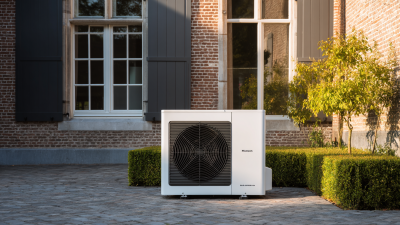
A heat pump transfers heat from one location to another. It can extract heat from the air, ground, or water. This process makes it versatile and suitable for various climates. Many homeowners appreciate their efficiency compared to traditional heating systems. However, not all heat pumps perform equally well. Some models struggle in extreme temperatures, which warrants careful consideration before purchase.
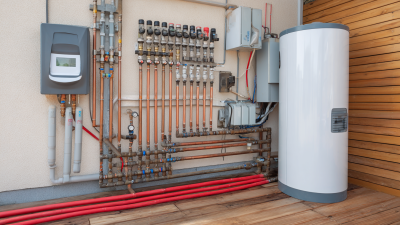
Understanding how heat pumps operate is crucial. They use refrigeration cycles, involving a compressor and refrigerant. As a result, they can provide both heating in winter and cooling in summer. With rising energy costs, investing in a heat pump may lead to savings. Like any technology, heat pumps have their advantages and drawbacks. A well-informed decision is essential to ensure they meet your specific needs.
What is a Heat Pump?
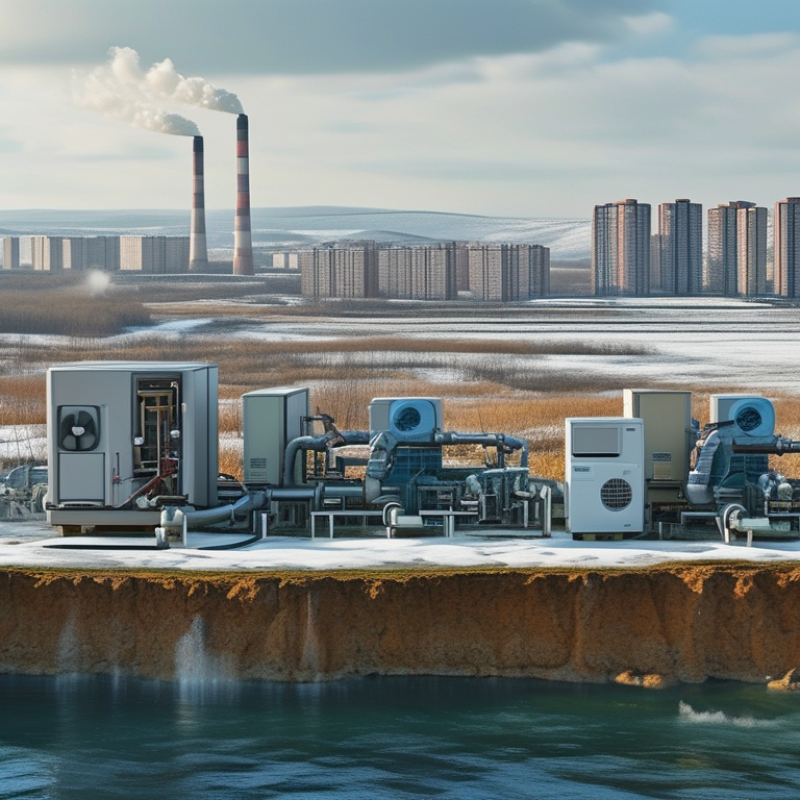
A heat pump is a versatile system that transfers heat instead of generating it. It can both heat and cool spaces efficiently. According to the U.S. Department of Energy, heat pumps can reduce energy consumption by up to 50% compared to conventional heating systems.
How does it work? The heat pump uses a refrigerant that changes state between liquid and gas. This process absorbs heat from the environment in winter and releases it indoors. In summer, it reverses the cycle, pulling heat from indoors and expelling it outside. The efficiency of a heat pump is measured by its coefficient of performance (COP). A COP of 3 means it delivers three units of heat for every unit of energy consumed.
However, climate conditions can affect performance. In extremely cold areas, traditional heat pumps may struggle. Some units lose efficiency when temperatures drop below 30°F (-1°C). This limitation requires homeowners to evaluate their needs carefully. Selecting the right system is crucial for optimizing comfort and efficiency. Proper installation and maintenance also play a significant role in a heat pump's performance.
The Basic Principles of Heat Pump Operation
A heat pump operates on the principle of transferring heat from one place to another. This device can both heat and cool spaces by transferring thermal energy. It employs a refrigeration cycle, which uses a refrigerant that circulates between an indoor coil and an outdoor coil. When heating, the heat pump extracts heat from the air, ground, or water outside and transfers it indoors.
The efficiency of heat pumps is often expressed in terms of the Coefficient of Performance (COP). According to the U.S. Department of Energy, a heat pump can achieve a COP of over 3, meaning it can produce three units of heat for every unit of energy consumed. However, the performance can decline in extremely cold temperatures. In regions with harsh winters, traditional heating systems may be more effective.
Heat pumps require proper installation and maintenance to function optimally. Improper sizing or low refrigerant levels can lead to inefficiencies. Expert reports indicate that regular servicing can improve efficiency by 10% to 20%. Users may notice a decrease in performance without adequate care. Overall, while heat pumps are a sustainable option, their effectiveness relies on thoughtful and informed operation.
Understanding Heat Pumps: Energy Efficiency Comparison
This bar chart illustrates the Coefficient of Performance (COP) for different types of heat pumps, showcasing the energy efficiency of Air Source, Ground Source, and Water Source heat pumps. Higher COP values indicate greater energy efficiency, making these systems more effective in heating and cooling applications.
Types of Heat Pumps and Their Applications
Heat pumps are versatile devices used for heating and cooling spaces. They come in several types, each suited for specific applications. The most common types include air-source, ground-source, and water-source heat pumps. Air-source heat pumps extract heat from the outside air, even in cold conditions. They are popular in residential settings due to their ease of installation.
Ground-source heat pumps, often called geothermal systems, utilize the stable temperatures underground. This makes them highly efficient, though installation can be more complex and costly. Water-source heat pumps, on the other hand, draw energy from nearby water bodies such as lakes or rivers. Their efficiency relies on accessible water sources, which may not be available everywhere.
While heat pumps offer significant energy savings, their performance can vary based on local climate and installation quality. Some users report underperformance during exceptionally cold winters. It’s crucial to assess your local climate and consult professionals to determine the best type for your needs. Understanding these elements helps maximize the benefits of heat pumps in any application.
Benefits of Using Heat Pumps for Heating and Cooling
Heat pumps offer a unique solution for both heating and cooling spaces efficiently. Unlike traditional systems, they transfer heat instead of generating it. During winter, they extract heat from outside air. In summer, they do the reverse, moving heat indoors. This efficient process helps to maintain a comfortable environment year-round.
One notable benefit of heat pumps is energy efficiency. They can produce three to four times more energy than they consume. This significantly reduces energy bills. Additionally, heat pumps contribute to lower carbon emissions. Their environmental impact may not be entirely positive, especially in extreme climates. In very cold areas, their efficiency can drop. This is something to consider for potential users.
Reliability is another aspect to evaluate. While heat pumps require less maintenance than conventional systems, regular checks are still essential. Neglecting this can lead to performance issues. Overall, assessing individual needs is crucial. Heat pumps might not be suitable for everyone, especially in regions with extreme weather.
Common Maintenance Tips for Heat Pumps
Regular maintenance is crucial for the efficient operation of heat pumps. Many homeowners overlook this aspect. A neglected heat pump can lead to higher energy bills and poor performance. Cleaning or replacing air filters is a simple yet essential task. Dirty filters restrict airflow, making the system work harder.
Checking the outdoor unit is equally important. Ensure that it is clear of debris and vegetation. This helps maintain airflow and prevents overheating. It’s not always easy to notice when a unit struggles. Listening for unusual noises can provide early warning signs. Also, verifying that the thermostat is functioning properly can prevent unnecessary energy usage.
Scheduled professional inspections can identify issues before they become severe. Technicians can spot hidden problems, which a homeowner might miss. Keeping a maintenance log can also ensure that nothing is overlooked. Forming a routine can help maintain efficiency and prolong the lifespan of the heat pump. Ignoring these tips may seem easy, but they can lead to costly repairs down the line.
What is a Heat Pump and How Does It Work? - Common Maintenance Tips for Heat Pumps
| Feature/Aspect |
Description |
| Basic Principle |
A heat pump transfers heat from one place to another, using a small amount of energy to move heat instead of generating it. |
| Types |
Air-source, ground-source (geothermal), and water-source heat pumps. |
| Heating Mode |
In heating mode, it extracts heat from the outside air or ground and transfers it indoors. |
| Cooling Mode |
In cooling mode, it removes heat from indoors and releases it outside. |
| Efficiency Rating |
Rated by Coefficient of Performance (COP) or Seasonal Energy Efficiency Ratio (SEER). |
| Common Maintenance Tips |
Regularly clean or replace air filters, check ducts for leaks, maintain outdoor units, and schedule annual professional inspections. |
| Cost Savings |
Heat pumps can significantly reduce heating and cooling costs, especially in moderate climates. |
| Environmental Impact |
Heat pumps are more environmentally friendly compared to traditional heating methods as they use renewable energy sources more efficiently. |