How to Choose the Best Fruit Vegetable Dryer for Your Needs?
In today's health-focused economy, choosing the right Fruit Vegetable Dryer can enhance your dietary choices. With the global dehydrated fruits and vegetables market projected to reach $6.4 billion by 2025, the demand is clear. Consumers are increasingly looking for nutritious options that retain flavor and benefit overall wellness. Selecting the right dryer can make a significant difference in preserving the quality of your food.
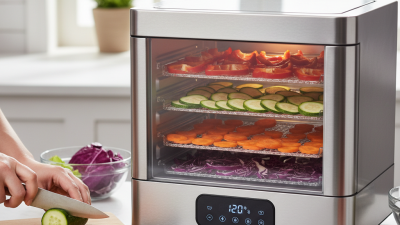
Several key factors come into play when selecting a Fruit Vegetable Dryer. The type, capacity, and features of the dryer can directly affect the drying process and, ultimately, the quality of the final product. For instance, a user might evaluate whether they need a stackable model for space efficiency or one with adjustable temperature settings for various foods. The right choice supports not just convenience but also long-term health goals.
However, the market is saturated with choices, and not every product meets quality standards. Misleading marketing often complicates decision-making. Consumers must critically assess energy efficiency and durability, as these impact both utility costs and product lifespan. Thus, finding reputable insights and expert reviews is crucial for making an informed choice.
Understanding Your Drying Needs: Assessing Capacity and Size Requirements
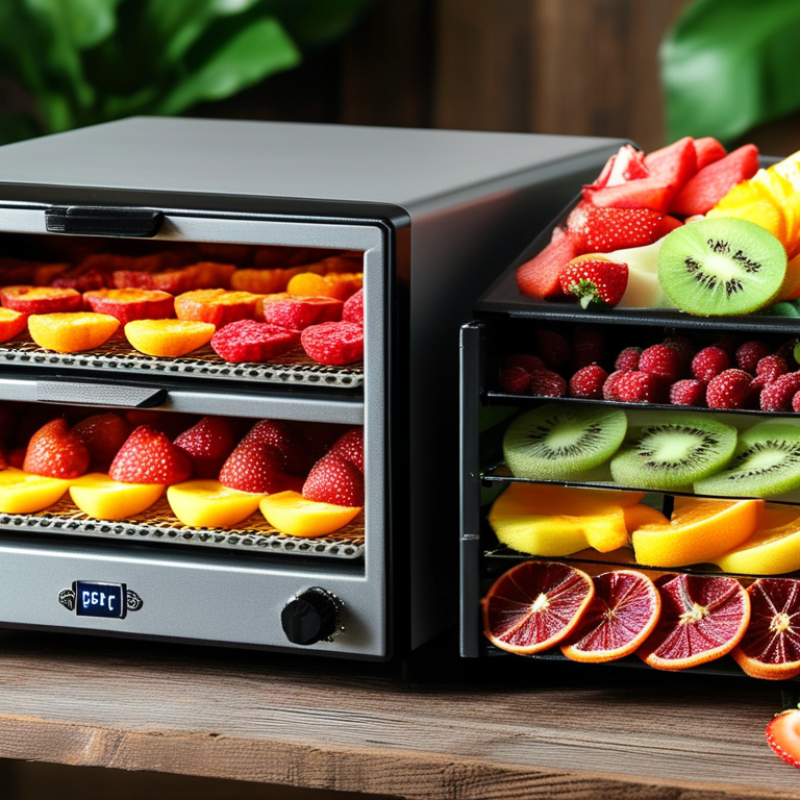
When choosing a fruit and vegetable dryer, understanding your drying needs is crucial. Capacity and size are two main factors you should assess. A small appliance may suffice for occasional use, but larger quantities require more space. Industry reports indicate that a typical home user needs at least a 5-basket capacity for efficient drying. This size accommodates diverse fruits and vegetables without overcrowding the dryer, ensuring optimal airflow.
Consider the size of your kitchen or storage area. Many users overlook the physical dimensions of the dryer. It’s essential to measure your available space before making a purchase. A bulky dryer in a tight kitchen can lead to frustration. Conversely, a compact model might be inadequate for larger batches, resulting in wasted time and effort.
Tips: Always prioritize models with adjustable temperature settings. This feature accommodates varying drying requirements. Additionally, look for dryers with energy-efficient designs, as they consume less power. Lastly, read reviews to gauge real user experiences. Sometimes, specifications can be misleading. Don't hesitate to reach out to other users for insights. This proactive approach often uncovers potential challenges and benefits.
Comparison of Fruit Vegetable Dryer Capacity and Size Requirements
Types of Fruit and Vegetable Dryers: Comparing Convection, Dehydrators, and More
When it comes to choosing a fruit and vegetable dryer, understanding the types available is crucial.
Convection dryers use hot air to remove moisture, making them popular for home use. They circulate air, which helps maintain even drying temperatures.
According to industry reports, convection dryers can reduce drying time by 25% compared to traditional methods.
Dehydrators operate differently. They often have a lower temperature setting, which is advantageous for preserving nutrients.
Some studies show that dehydrators can retain up to 90% of vitamins during the drying process.
However, they may take longer to dry food compared to convection units. Users should consider how much time they are willing to spend on drying.
Other options include solar dryers and microwave dryers.
Solar dryers utilize sunlight for drying, ideal for sunny climates. Microwave dryers provide quick results, but they can sometimes lead to uneven drying.
Each type has its pros and cons, leaving users to reflect on their specific needs. Understanding these options empowers consumers to make informed decisions.
Key Features to Consider: Temperature Control, Timers, and Ease of Use
Choosing the right fruit and vegetable dryer involves considering several key features.
Temperature control is essential.
Different fruits and vegetables require varied temperatures for optimal drying.
For instance, herbs may need lower heat, while thicker veggies require higher settings.
Look for models with adjustable temperature ranges.
This ensures you can dry your produce effectively.
Timers are another vital feature.
A reliable timer allows you to set specific drying times for each batch.
This prevents over-drying and preserves flavor and nutrients.
Without a timer, it’s easy to forget a batch and end up with less-than-ideal results.
Many models now offer digital timers for convenience,
but traditional mechanical timers can also work well.
Ease of use is critical.
A complicated machine can quickly become frustrating.
Choose a dryer with a straightforward design.
Look for user-friendly interfaces and clear instructions.
Compact and lightweight dryers can be easier to store and handle.
It’s essential to assess how often you plan to use the dryer and invest in a model that suits your lifestyle.
Balancing these features will help you select a dryer that meets your needs effectively.
Energy Efficiency and Cost: Evaluating Operating Costs and Value for Money
When selecting a fruit and vegetable dryer, energy efficiency is a key factor. A dryer that consumes less power will save you money in the long run. Look for models that feature energy-saving technology or adjustable settings. This can significantly reduce operating costs. The daily electricity rate varies across regions, so understanding this can influence your choice.
Evaluating the upfront cost against potential savings is essential. Some dryers may have a higher initial price but offer better energy efficiency. This balance of cost and efficiency requires careful consideration. Researching product specifications can provide insights into energy consumption patterns.
Reflect on how often you plan to use the dryer. Regular use may justify a higher investment in energy-efficient models. However, infrequent use may not make this the best choice. Consider the drying capacity as well. A larger capacity may consume more energy but reduce cooking times. The right choice involves weighing these factors thoughtfully.
User Reviews and Brand Reputation: Choosing Reliable Manufacturers and Models
When selecting a fruit and vegetable dryer, user reviews play a crucial role. They provide insights into real-life experiences. Reviews highlight specific features like efficiency, ease of use, and durability. Reading both positive and negative reviews helps you form a balanced perspective. Users often share what they love and what could be improved. This information can guide you toward an option that meets your expectations.
Brand reputation is another key factor. Established brands usually have a track record of reliability. However, not all established brands maintain quality in every product. Some newer brands may offer innovative designs and features that compete well. Investigating the brand's history and customer service is essential. Look for manufacturers that prioritize customer feedback and continuously improve their products.
Consumer forums and social media can also provide honest opinions. You may discover hidden gems that traditional reviews overlook. Remember that relying solely on star ratings might not tell the whole story. Engaging with the community helps you gain various perspectives. Consider what fits your needs while acknowledging potential limitations in products. This process enhances your decision-making in choosing the right dryer.