How to Choose the Best Fruit Dryers for Your Business Needs?
Choosing the right fruit dryers is crucial for any business in the food processing industry. According to a report by MarketsandMarkets, the global food drying equipment market is projected to reach $6.8 billion by 2026. This growth reflects the rising demand for dried fruits, an increasingly popular snack option among health-conscious consumers. As an expert in the field, Dr. Emily Chen states, "Selecting the right fruit dryer can significantly impact product quality and business profitability."
Many businesses struggle with the decision-making process when it comes to fruit dryers. Factors like drying capacity, energy efficiency, and ease of use must be considered. Properly dried fruits retain nutrients and flavor, which can influence sales. However, not all dryers work the same way, and understanding the technology behind them is essential to meet specific needs.
Choosing a fruit dryer is not just about the price tag. It's about ensuring the equipment meets quality standards while fitting within your operational budget. Reflecting on this choice can lead to better product outcomes and increased customer satisfaction. It’s vital for businesses to conduct thorough research, ensuring they align their equipment choices with market demand and quality expectations.
Understanding the Types of Fruit Dryers Available in the Market
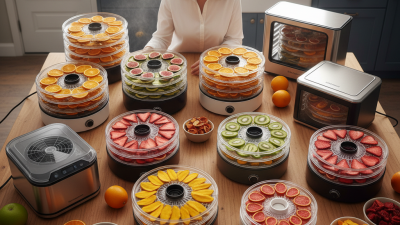
When selecting a fruit dryer, understanding the different types available is essential for your business. Commercial fruit dryers generally fall into three categories:
convection dryers,
freeze dryers, and
vacuum dryers. Each type offers distinct benefits tailored to specific drying needs.
Convection dryers utilize warm air circulation to remove moisture. They are often cost-effective and efficient for batch processing. However, they may not preserve the fruit's color and nutrients as effectively as other methods.
Freeze dryers, on the other hand, freeze the fruit and then remove moisture through sublimation. This process maintains flavors and nutrients but often comes with higher operational costs.
Vacuum dryers remove moisture under reduced pressure, allowing for quicker drying at lower temperatures. While they produce high-quality dried fruit, they require specialized equipment and can be complex to operate.
Your choice of dryer should align with your production volume and budget constraints. It's not merely about adhering to trends but
understanding your specific needs. Do you prioritize taste preservation or cost-effectiveness? Each method has its trade-offs, and reflecting on your operations can lead to better decisions.
Evaluating the Capacity and Size Requirements for Your Business
When selecting a fruit dryer, capacity and size play a vital role for your business. The right dryer should match your production needs and space constraints. A dryer that is too small may limit your output, while one that is excessively large can waste energy. Consider your daily production volume to choose an appropriate capacity.
Evaluate your workspace. Measure the available area for equipment. A compact dryer can fit small kitchens or warehouses, while larger units require more floor space. If your operation expands, a modular design can adapt to future needs. It’s crucial to envision not only your current requirements but also your growth plans.
Tips: Assess your average fruit volume. This helps determine the dryer size. Think about batch sizes. Smaller batches may need frequent loading and unloading. Also, factor in airflow needs for even drying. Proper ventilation is essential. Research options that balance size and energy efficiency, especially for longer production runs.
Assessing Energy Efficiency and Operating Costs of Fruit Dryers
When selecting the right fruit dryer for your business, energy efficiency and operating costs are critical factors. According to the U.S. Department of Energy, energy-efficient appliances can reduce energy use by 10 to 50%. This is a significant amount for businesses that rely on large-scale drying processes. Many industrial fruit dryers utilize advanced heating technology, minimizing energy consumption while maximizing output.
Moreover, operating costs extend beyond the initial energy efficiency. Maintenance costs and lifespan play crucial roles in the long-term financial impact. A report from the Food Processing Association highlights that proper maintenance can lead to a 20% reduction in annual operational costs. Businesses should evaluate the total cost of ownership rather than just the initial investment. Understanding these dynamics can help businesses avoid unanticipated expenses in the future.
Efficiency ratings can also vary widely among models. A study from the International Society for Horticultural Science indicates that some dryers achieve payback in less than three years through energy savings alone. It is essential to analyze these performance metrics. A dryer that seems less expensive upfront may cost significantly more in energy bills over time. Take time to assess your specific drying needs against available energy options.
Exploring Key Features to Look for in Quality Fruit Dryers
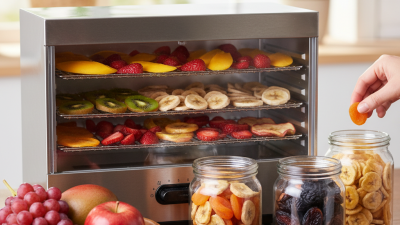
When selecting a fruit dryer for your business, focus on key features that can enhance efficiency. The capacity of the dryer matters greatly. Larger capacities allow for processing more fruits at once, which can save time and resources. Look for units that offer adjustable temperature settings. Different fruits require varying heat levels for optimal drying.
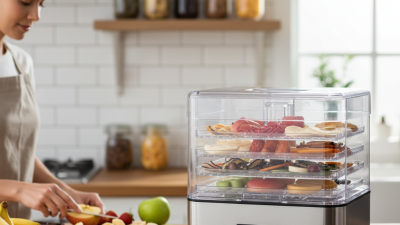
Another critical aspect is airflow. Good airflow ensures even drying throughout the batch. If air doesn’t circulate well, some pieces may end up under-dried. Consider models with multiple trays, which can be beneficial for drying various fruit types simultaneously without flavor transfer.
Tips: Always check the energy efficiency of your chosen dryer. A high-energy consumption can lead to higher operational costs. Additionally, read user reviews and case studies. This can provide insights into real-world performance and reliability. Experimenting with different drying times and techniques may lead to unexpected benefits, refining your process. Finally, remain open to feedback to adjust your methods when necessary.
Comparing Brand Reputation and Customer Reviews for Fruit Dryers
When choosing a fruit dryer, brand reputation matters significantly. A recent industry analysis revealed that 74% of consumers rely on brand credibility. Companies with strong histories often show consistent product quality. This reliability can save time and resources during the selection process.
Customer reviews provide insights into real-world performance. According to a 2022 survey, 68% of users report making decisions based on customer feedback. Positive reviews often highlight efficiency and durability. However, not all feedback is glowing. Some users may encounter issues, leading to concerns about customer service and support. It's essential to balance glowing reviews with critical ones to understand potential weaknesses.
Industry data also indicates that customer service ratings correlate with product satisfaction. Dryers that offer comprehensive support tend to secure better overall ratings. Yet, some brands may still struggle with response times. This inconsistency can affect trust and long-term relationships. Evaluating both brand reputation and customer feedback will help you make an informed choice tailored to your business needs.
Comparison of Customer Ratings for Different Types of Fruit Dryers