Top 10 Benefits of Using a Food Dehydrator Machine for Your Kitchen
In the world of culinary innovation, the Food Dehydrator Machine has emerged as a powerful tool. Chef Michael Green, an expert in food preservation, emphasizes, "A food dehydrator opens up a world of flavor and nutrition.” This statement reflects the unique benefits of using a dehydrator in your kitchen.
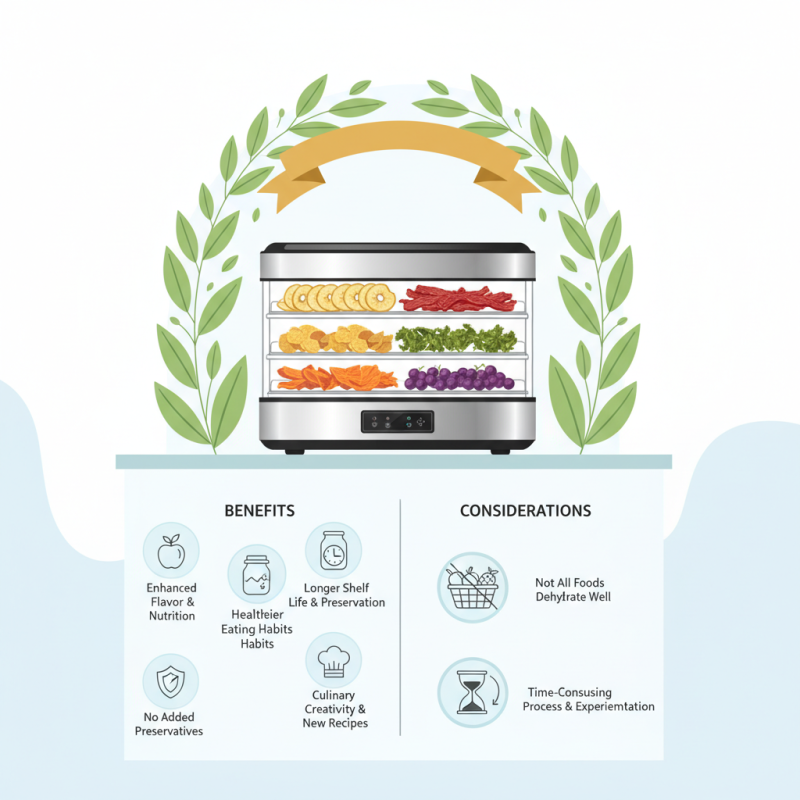
Food dehydrators remove moisture from fruits, vegetables, and meats, enhancing their taste and nutritional value. This method helps preserve food for longer periods without adding preservatives or chemicals. Imagine enjoying dried apple slices or homemade jerky, full of flavors and nutrients. These machines allow for creativity in meal preparation, transforming ordinary ingredients into extraordinary snacks.
However, there are considerations. Not all foods dehydrate well, and the process can be time-consuming. It requires experimentation to achieve the desired texture and taste. Yet, the rewards are significant. The Food Dehydrator Machine not only extends shelf life but also promotes healthier eating habits. It encourages you to explore new recipes and flavor combinations, ultimately enriching your culinary experience.
Benefits of Food Dehydrators in Preserving Nutritional Value
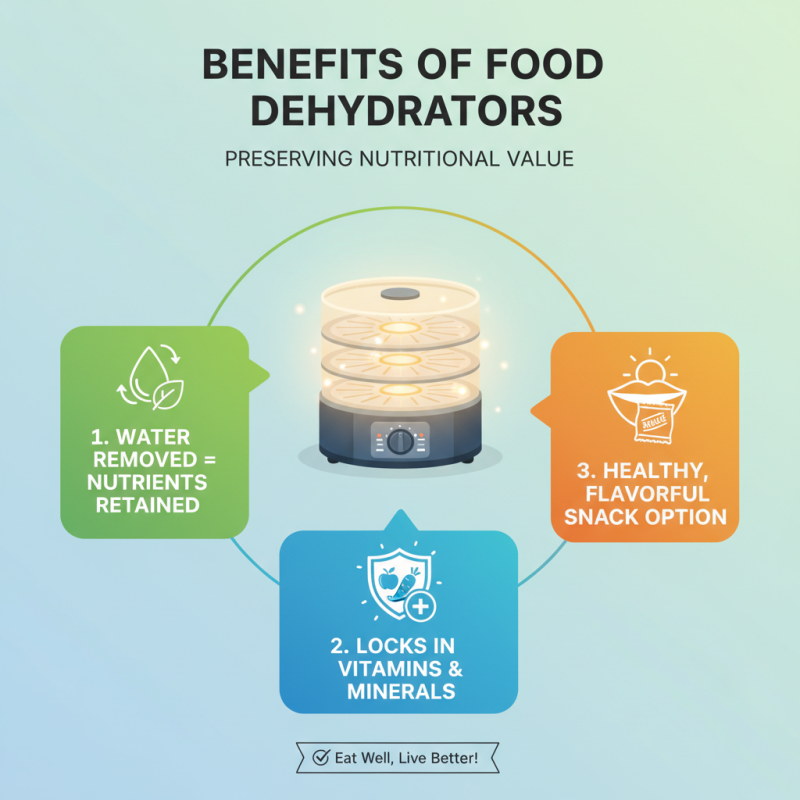
Food dehydrators play a vital role in preserving the nutritional value of fruits and vegetables. When water is removed, the ingredients maintain their vitamins and minerals much better than in other preservation methods. This process locks in flavors and nutrients, making dried foods a healthy snack option.
Moreover, dehydration concentrates the natural sugars in the food. This results in more intense flavors, which can enhance meals in various ways. Drying prolongs shelf life, meaning less food waste. It is essential to source fresh produce, as the quality of the initial ingredients impacts the final product.
Some may wonder about the efficiency of dehydration over other methods, like freezing. Dehydrated foods require careful storage to prevent moisture re-absorption. Finding the right balance in drying time can be tricky. Over-drying can lead to loss of texture and flavor. This ongoing learning process is part of the journey in using food dehydrators effectively.
How Food Dehydrators Extend Shelf Life of Fruits and Vegetables
Food dehydrators are revolutionizing how we preserve fruits and vegetables. By removing moisture, they inhibit the growth of bacteria and mold. This process significantly extends the shelf life of your favorite snacks. Dehydrated fruits like apples and bananas can last for months, retaining essential nutrients. Forget about waste; you can enjoy seasonal vegetables, even when they’re out of season.
Home dehydrators offer a reliable method for preserving food. Techniques like low-temperature drying help maintain flavor and nutrients. However, the process isn’t foolproof. Improper settings can lead to uneven drying. It's crucial to keep an eye on your fruits and vegetables. Sometimes, they may not turn out as expected. Testing different drying times and temperatures can be part of the journey.
Experimenting with a food dehydrator can be fun but challenging. You might find that some fruits, like berries, require special attention. They can clump together or dry out too quickly. A little practice goes a long way. The key is to be patient while discovering optimal drying methods for your favorites.
Cost-Effectiveness: Saving Money with Homemade Dried Foods
Using a food dehydrator brings multiple cost-saving benefits. Homemade dried foods can significantly reduce grocery bills. According to a report from the USDA, dehydrated fruits and vegetables often cost 50-70% less than their store-bought counterparts. The price difference encourages home preparation, allowing families to enjoy nutritious snacks without breaking the bank.
Dehydrators enable careful portion control. Instead of buying pre-packaged snacks, users can make their own. This also reduces food waste, as you can dehydrate overripe produce rather than tossing it. Data from the Food Waste Reduction Alliance indicates that Americans waste nearly 31% of their food. Drying extends shelf life, which can correlate to better budget management.
However, not all dehydrators are equally efficient. Some energy-intensive models can drive up electricity costs. It’s essential to research and choose energy-efficient options. Experimenting with drying times and temperatures may also lead to trial and error. Finding the balance between time spent and money saved takes practice.
Enhancing Flavor Concentration Through Dehydration Techniques
Dehydration enhances the flavors of foods. When moisture is removed, the concentration of natural sugars and acids increases. This process can make fruits, vegetables, and herbs taste more intense. A study by the Journal of Food Science notes that dehydrated fruits can contain up to
75% more flavor compounds compared to their fresh counterparts. This dynamic transformation can elevate everyday meals.
The technique also allows home chefs to experiment. A dehydrator opens the door to creating custom spice blends. Dehydrating herbs locks in essential oils, which are often lost in fresh forms. According to research from the Food Preserve Institute, dried herbs can retain flavor for up to three years if stored correctly. However, the drying time must be carefully monitored. Over-dehydration can lead to a loss of desirable textures and flavors.
For those looking to enhance taste, using a food dehydrator is a game changer. The concentration achieved through dehydration techniques can elevate dishes. It encourages culinary creativity, although it does require attention to detail. Improperly dehydrated foods may not satisfy the palate. So, precise methods are necessary for the best outcomes.
Versatility of Food Dehydrators in Various Culinary Applications
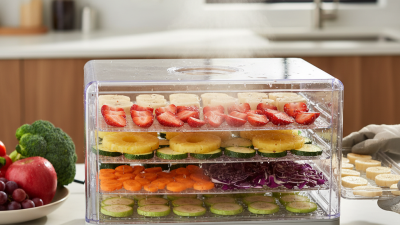
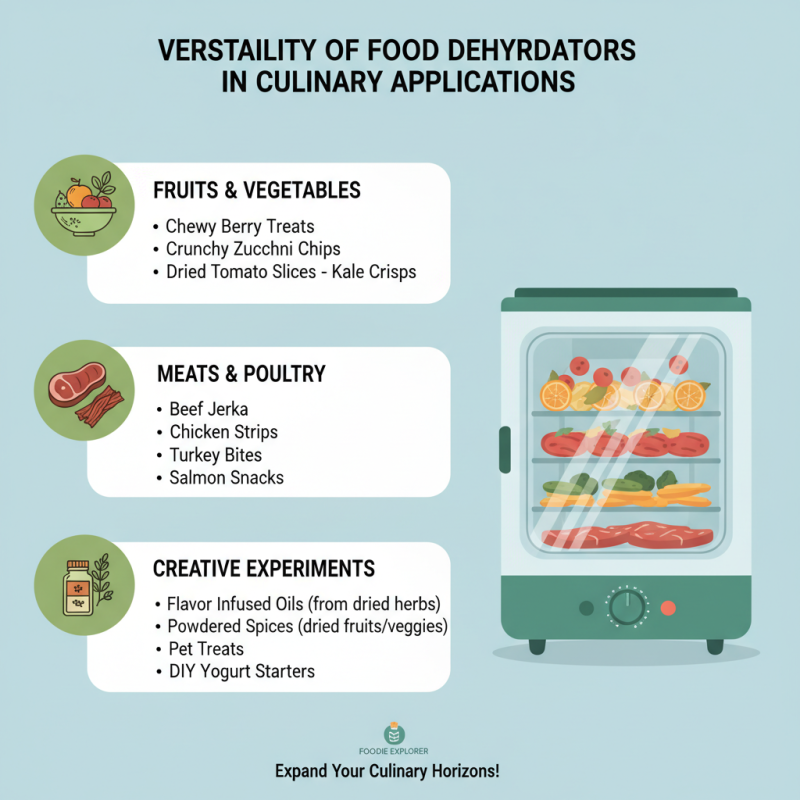
Food dehydrators are incredibly versatile tools in the kitchen. They can transform fruits, vegetables, and even meats into delicious, shelf-stable snacks. Berries become chewy treats, while zucchini slices can be seasoned and turned into crunchy chips. A dehydrator allows for creativity with flavors and textures, giving home cooks a chance to experiment beyond traditional cooking methods.
Dehydration not only preserves food but also enhances its natural flavors. For instance, herbs can be dried and stored for later use, offering a burst of taste in winter dishes. The process retains vital nutrients, making dehydrated fruits a healthy alternative to candy. However, some may find that dehydrated food lacks moisture. It's essential to consider the balance between texture and flavor when choosing what to dehydrate.
Using a food dehydrator can help reduce food waste. Leftover produce can be salvaged, extending its life. Yet, this technique requires careful monitoring to prevent over-drying. Proper temperature and timing are crucial. Every batch can yield different results, so keeping notes can refine your process over time. Embracing this trial-and-error approach can lead to delightful findings in your culinary journey.