How to Choose the Best All In One Water Solar Heater?
Choosing the right "All In One Water Solar Heater" can be overwhelming. With so many options available, it's essential to understand what features matter the most. These heaters not only save on energy costs but also promote environmental sustainability. However, not every model delivers the same efficiency or reliability.
Start by considering your specific needs. Your home's size, regional climate, and water usage patterns play critical roles. An efficient solar heater should cater to your household's demands. Researching different brands and models is crucial. Some options may look appealing but fail to perform as expected.
You should also pay attention to warranty and customer support. A trustworthy company stands behind its product. Reading reviews can provide real-life insights into a model's performance. Don’t rush into a decision. Take your time to weigh your options carefully. This investment can lead to significant long-term savings and comfort.
Understanding All In One Water Solar Heaters: Key Features
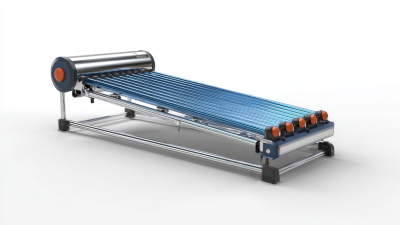
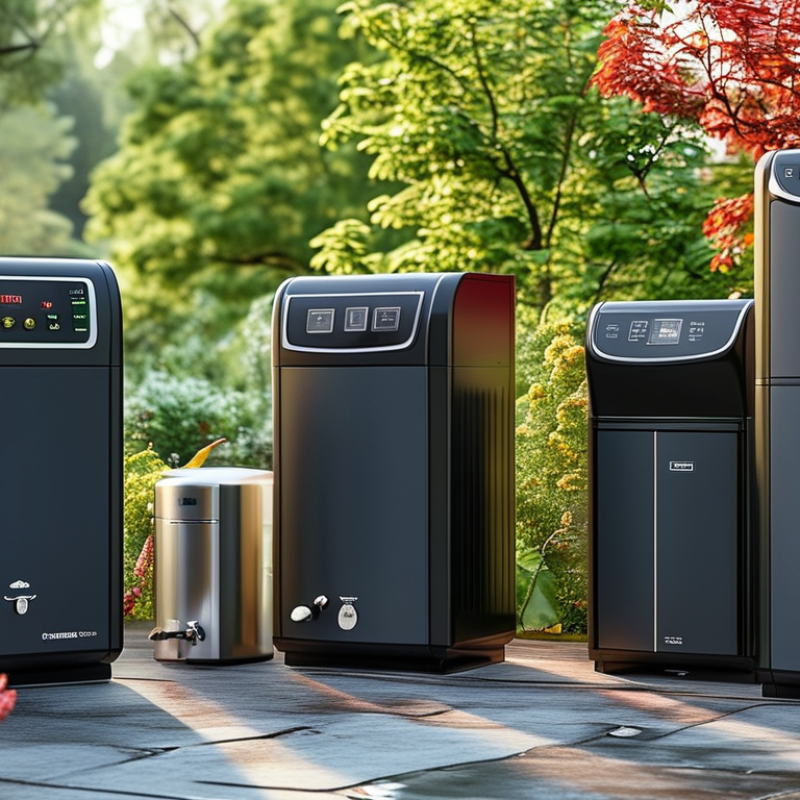
When selecting an all-in-one water solar heater, understanding key features is crucial. These systems combine solar panels, a tank, and plumbing in a single unit. This compact design simplifies installation. Consider the tank capacity based on your household's needs. A larger tank can provide more hot water, but it may require more space.
Efficiency ratings are important as well. Look for models with high solar gain ratings. This indicates how well the system converts sunlight into heat. Check the materials used in the construction. Durable materials can ensure long-term reliability. Pay attention to insulation quality, too. Better insulation retains heat and reduces energy loss.
While many aspects are clear, some choices can be tricky. The initial cost may be high, but savings on energy bills will follow. Still, local climate can affect performance. Areas with less sunlight may yield lower efficiency. Assess your location carefully. Solar heaters need sunlight to perform well. If your weather varies greatly, consider a backup system. This will safeguard against unexpected issues. Evaluating these factors ensures you make an informed decision.
Evaluating the Energy Efficiency of Solar Water Heaters
When choosing a solar water heater, energy efficiency is critical. The U.S. Department of Energy states that these systems can reduce your water heating cost by 50% to 80%. This substantial saving makes them a worthy investment. However, solar water heater efficiency isn’t uniform across models. Evaluating the specific efficiency ratings is vital.
Different systems have varying energy factors (EF). A higher EF indicates better efficiency. Most systems range from 2.0 to 4.0, with higher values denoting less energy wasted. According to industry studies, a system with an EF of 3.0 can save approximately $800 over ten years compared to a traditional electric heater.
Location also impacts efficiency. In sunny regions, heaters can perform at optimum levels, boosting energy collection. However, in cloudy climates, efficiency drops. It’s crucial to assess your specific location's solar resource. Some systems may not deliver expected savings. Therefore, consulting local energy experts can provide grounded insights for informed decisions.
Assessing Installation Requirements for Your Home
When considering an all-in-one water solar heater, installation requirements are crucial. Assess your roof's orientation. South-facing roofs tend to receive maximum sunlight. However, roofs at an angle can still function well. Consider shading from trees or buildings. These factors influence your heater's efficiency.
**Tips:** Measure the available space on your roof. Ensure you can accommodate the dimensions of the solar heater. A cluttered roof can hinder installation.
Check your local regulations. Some areas have specific guidelines for solar installations. Compliance is essential for a smooth installation process. Contact your local authority or a professional for clarity.
**Tips:** Look for experts. Their knowledge about local installations can be beneficial. A well-installed system increases performance. You might find that DIY options seem manageable, but mistakes can be costly. Prioritize safety and efficiency over convenience.
How to Choose the Best All In One Water Solar Heater? - Assessing Installation Requirements for Your Home
| Feature |
Importance |
Considerations |
Estimated Cost |
| Collector Area |
High |
Roof space, sun exposure |
$500 - $1000 |
| Storage Tank Capacity |
Medium |
Family size, hot water demand |
$300 - $600 |
| Installation Requirements |
High |
Roof angle, plumbing needs |
$200 - $400 |
| Climate Suitability |
High |
Local weather patterns |
N/A |
| Maintenance Requirements |
Medium |
Frequency and type of maintenance |
$100 - $200 annually |
Comparing Cost and Long-Term Savings of Different Models
When selecting the best all-in-one water solar heater, cost and long-term savings are crucial. Industry reports indicate that solar water heaters can save homeowners 50-80% on energy bills. Initial investments typically range from $3,000 to $7,000, influenced by system size and installation specifics.
It's essential to analyze the payback period. Many systems recoup their costs within 5-10 years. The average lifespan of a solar water heater is about 15-20 years, which makes long-term savings significant. Consider maintenance costs, as estimates suggest these can be around $200-$300 per year.
Tips: Research local rebates or tax credits. These can significantly enhance your savings. Also, evaluate your household's hot water needs. A properly sized system ensures efficiency and reduces unnecessary costs. Be cautious with overly cheap models; they may lack durability. Make informed choices for lasting benefits.
Reviewing Customer Feedback and Expert Recommendations
When selecting an all-in-one water solar heater, customer feedback is invaluable. Real users share their experiences, which can reveal both pros and cons. Many customers appreciate the energy savings. Some mention reduced utility bills. However, a few report issues with inconsistent heating. Gathering various opinions helps you assess the product's reliability.
Expert recommendations play a critical role in the decision-making process. Professionals examine features like efficiency, durability, and installation. They often highlight systems with simple setups and exceptional performance. Yet, experts advise careful consideration of local climate conditions. Not every model suits every environment. Some heaters may underperform in colder regions.
Combining customer insights and expert advice offers a well-rounded view. Pay attention to the specific needs of your household. Consider what matters most, whether it's cost, efficiency, or ease of use. This reflective approach ensures you make an informed decision, balancing different perspectives.
Customer Satisfaction Ratings for All In One Water Solar Heaters