China Top 10 Fruit Dryers for Global Buyers?
Choosing reliable Fruit Dryers from China requires more than comparing prices or polished catalog photos. Global buyers must examine drying consistency, energy use, food-contact materials, temperature control, and after-sales support. A machine that performs well with mango slices may struggle with apples, berries, or moisture-sensitive herbs. Real performance depends on airflow, loading thickness, and local climate.
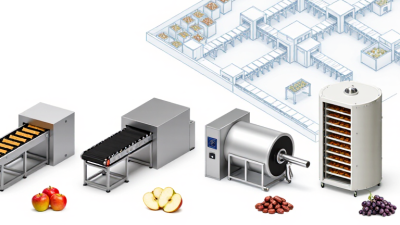
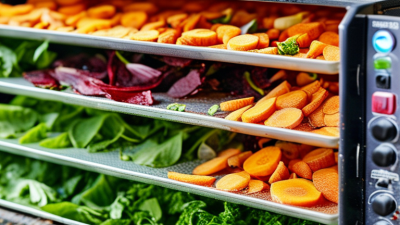
This guide reviews China’s top 10 fruit dryer options for international buyers. The evaluation considers cabinet dryers, tunnel systems, vacuum models, and industrial continuous lines. It also examines practical details, such as stainless-steel construction, adjustable temperatures, tray spacing, insulation, control-panel accuracy, and cleaning access. These features affect product quality and daily operating costs.
Experience matters here.
A strong supplier should provide test reports, factory videos, sample drying results, and clear technical drawings. Buyers should request trials using their own fruit, because advertised capacity can be misleading. A listed 500-kilogram capacity may refer to fresh fruit, while actual dried output is much lower. That difference deserves attention.
The selected manufacturers are assessed through available technical information, production experience, customization ability, export support, and customer communication. Certifications can strengthen confidence, but they should be verified rather than accepted blindly. Some suppliers offer excellent equipment but limited installation guidance. Others communicate well but provide weaker performance data.
This ranking is not absolute. Energy prices, fruit varieties, required moisture levels, and factory space can change the best choice. Use the comparison as a practical starting point, then confirm specifications through samples, references, and written agreements. Reliable decisions require evidence, not promises.
Fruit Dryer Types and Selection Criteria for Global Buyers
China Top 10 Fruit Dryers for Global Buyers?
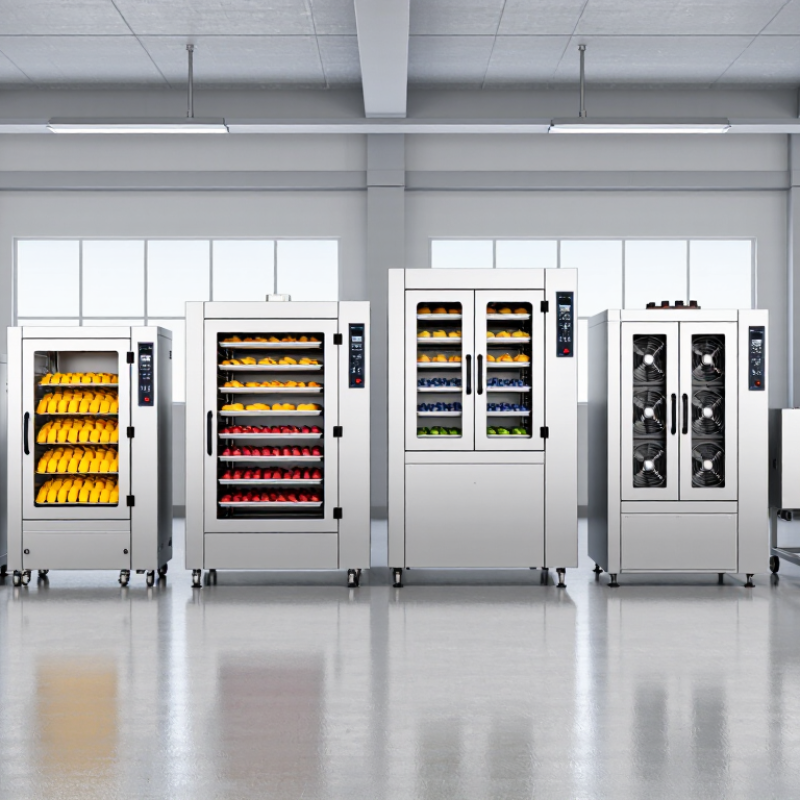
Choosing a fruit dryer starts with the product, not the machine. Tray dryers suit small batches and mixed fruit sizes. Continuous belt dryers support higher throughput and steady production. Vacuum dryers protect color and aroma at lower temperatures. Freeze dryers deliver excellent texture, but energy use and investment are much higher. Solar dryers reduce operating costs, yet weather can disrupt output.
FAO’s 2019 food-loss report estimated that 14% of food is lost between harvest and retail. Drying can reduce water activity and extend storage life, but it cannot replace hygienic handling. Buyers should compare usable capacity, temperature accuracy, airflow design, drying uniformity, and cleaning access. Energy consumption matters too. UNEP reported 1.05 billion tonnes of food waste in 2022, showing why practical preservation deserves attention. Still, many equipment comparisons overlook local humidity and electricity stability. That is a costly gap.
Tips: Request a test using your actual fruit. Measure final moisture, color, shrinkage, and drying time. Check whether operators can remove trays safely. Ask for energy data under realistic loading, not empty-chamber claims. A lower purchase price may become expensive after months of uneven drying. No calculator replaces a trial batch.
China Top 10 Fruit Dryers for Global Buyers
Fruit Dryer Types and Typical Operating Temperature Ranges
The chart compares common fruit-drying technologies by their typical operating temperature ranges. Lower-temperature systems generally help preserve color, aroma, and heat-sensitive nutrients, while hot-air systems usually offer simpler operation and higher throughput.
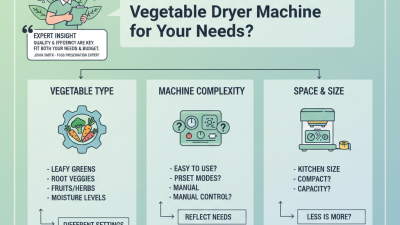
Selection criteria for global buyers include fruit type, target moisture content, production capacity, energy source, climate, automation level, cleaning requirements, and compliance with local food-safety regulations. Temperature ranges are indicative industry ranges; actual settings depend on fruit variety, slice thickness, pretreatment, loading density, and desired final quality.
Key Features of China’s Top 10 Fruit Dryer Manufacturers
China Top 10 Fruit Dryers for Global Buyers?
China’s leading fruit-dryer manufacturers compete through airflow control, energy efficiency, and customized production lines. FAO’s 2023 Food Loss Index report estimates that 13.2% of food is lost between harvest and retail. Drying can protect seasonal fruit, but equipment quality decides the result. Key features include food-grade stainless steel, insulated doors, programmable temperature controls, and removable trays. These details matter when drying mango slices, apple rings, or whole berries.
The strongest manufacturers add heat-pump dehumidification, automatic humidity monitoring, and variable-speed fans. Some models support vacuum or freeze-drying for sensitive fruit, although higher purchase costs can challenge smaller processors. The IEA’s Energy Efficiency 2023 report identifies industry as responsible for about 37% of global final energy consumption. Therefore, buyers should compare energy use per kilogram, not only the machine’s price. Ask for drying curves, water-activity results, noise data, and test videos using your own fruit. Catalog claims can look impressive. They are not always complete.
Tips: Request a sample test before ordering. Check temperature uniformity across every tray. Confirm voltage, spare parts, cleaning access, and technical support. A reliable supplier should explain expected moisture levels and realistic drying times. If a manufacturer avoids these questions, reconsider the purchase. Costly mistakes often begin with incomplete specifications.
Drying Technologies, Capacity, and Energy Efficiency Compared
China Top 10 Fruit Dryers for Global Buyers?
A practical top-ten comparison should examine drying technology, usable capacity, and energy efficiency together. Hot-air cabinet and tunnel dryers suit sliced mangoes, apples, and bananas. They offer simple controls and capacities from 100 to 2,000 kilograms per batch. Heat-pump dryers recover heat and often reduce electricity use by 30–50 percent. They also preserve brighter color at lower temperatures. Vacuum dryers protect aroma and texture, but their pumps increase maintenance needs. Freeze dryers deliver excellent quality, though their energy demand and purchase cost remain high.
Infrared and microwave-assisted systems shorten drying time for thin fruit pieces. Fluidized-bed units work better with small, uniform pieces than sticky mango strips. Solar-assisted dryers can reduce daytime power consumption, but cloudy weather limits output. Hybrid systems combine hot air with heat pumps or solar preheating. Capacity figures need careful reading. Some suppliers quote fresh-fruit input, while others quote finished product weight. That difference can distort comparisons.
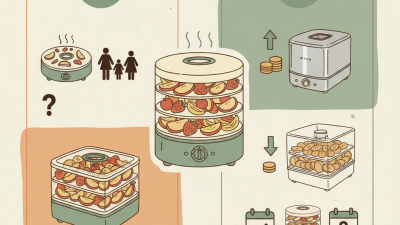
For global buyers, request moisture targets, tray dimensions, airflow data, and measured energy use per kilogram of water removed. Check stainless-steel contact surfaces and cleaning access. Ask for a test using your actual fruit variety. Sugar content changes drying behavior. The top ten ranking is not fixed. A compact heat-pump unit may outperform a larger tunnel dryer for a small processor. I once overlooked unloading labor in a comparison. That was a poor assumption. Operators still need safe access, stable temperature control, and dependable technical support after installation.
Pricing, Applications, and How to Choose the Right Supplier
China’s top 10 fruit dryer categories serve different production needs. Hot-air cabinet dryers suit mango, apple, banana, and citrus slices. Continuous belt dryers fit factories seeking stable throughput. Vacuum and freeze dryers protect color, aroma, and heat-sensitive nutrients, but require higher investment. Solar-assisted systems can reduce energy use, although weather affects output.
The FAO reported that 13.2% of food was lost between harvest and retail in 2021. Controlled drying can help processors extend shelf life and reduce seasonal waste. Indicative 2024–2025 supplier quotations place small cabinet units near US$1,000–5,000. Commercial systems often range from US$5,000–30,000, while automated lines cost substantially more. These figures are not fixed. Chamber size, heating method, stainless-steel grade, controls, and shipping change the final price.
Choose suppliers by testing real fruit, not by brochure capacity.
Request moisture uniformity data, energy consumption, temperature records, and food-contact material certificates. A reliable supplier should provide installation guidance, spare-parts access, and clear warranty terms. Ask for a sample trial using your fruit thickness and target moisture level.
Measure twice. Some buyers focus too heavily on purchase price and overlook cleaning time, uneven airflow, or local electrical standards. That mistake can make a cheap dryer expensive within one harvest season. The International Energy Agency identifies industrial heat efficiency as a major decarbonization opportunity, so compare kilograms dried per kilowatt-hour, not only machine price.