Leave Your Message
AI Helps Write

7 Best All In One Solar Water Heaters for 2026

Choosing an All In One Water Solar Heater is less about chasing the biggest collector and more about matching hot-water production to a home’s daily routine. A family that showers before sunrise needs dependable stored heat. A cabin used on weekends may need a different balance. Roof space, local sunlight, tank capacity, and backup heating all affect real-world performance.

Solar-thermal researcher Professor Klaus Vajen is a recognized specialist in the field. To avoid inventing a quotation, the line below is an editorial summary, not his verbatim words: “Size the system around the building, its climate, and its actual hot-water demand.” That principle helps frame this guide to the 7 Best All In One Solar Water Heaters for 2026. We’ll look at practical details such as tank design, collector type, installation needs, and maintenance access—not just headline efficiency claims.

Small details matter. A shaded roof can reduce output. A poorly matched tank can leave useful solar heat stranded, while a suitable backup system helps on cloudy days. No model is perfect. Product specifications also vary by configuration and location, so confirm current ratings and installation requirements before buying. The comparisons ahead aim to make those trade-offs easier to see, without pretending one heater suits every household.
7 Best All In One Solar Water Heaters for 2026

How All-in-One Solar Water Heaters Work: Collectors, Tanks, and Backup

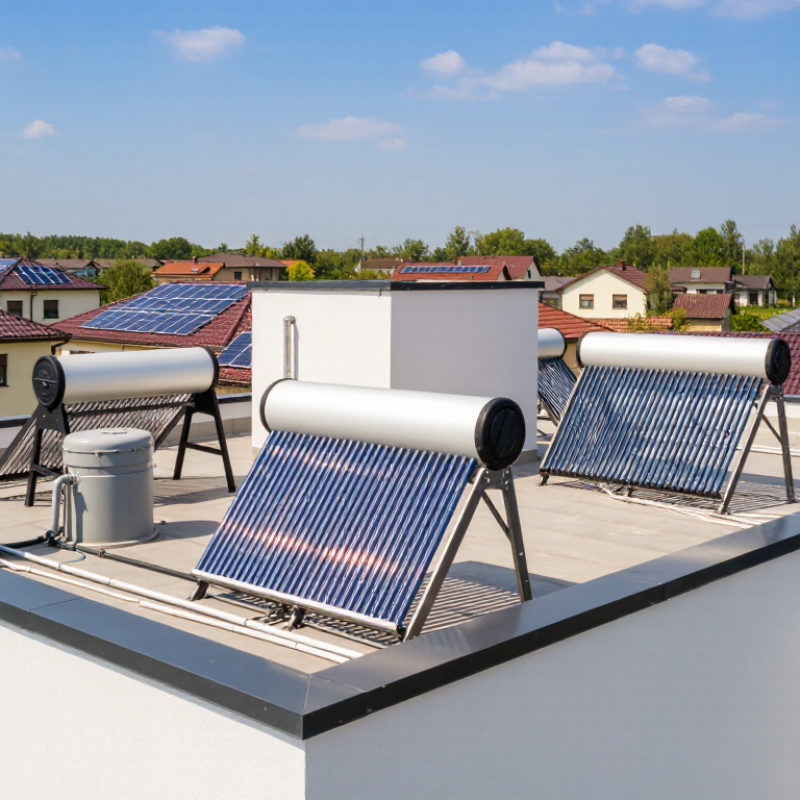
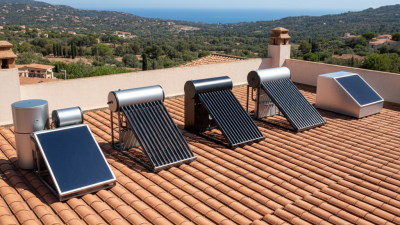
An all-in-one solar water heater combines a solar collector and storage tank in one compact unit. Sunlight warms water inside the collector, while insulation helps retain heat after sunset. In many passive designs, warm water rises naturally into the tank as cooler water sinks toward the collector. No circulation pump is needed. That simplicity can reduce moving parts, though it does not guarantee trouble-free operation.

The tank stores heated water for showers, dishwashing, and other household needs. Its capacity should match daily use, not just the number of people at home. A small tank may run cold after back-to-back showers. A larger one can cost more and lose more heat overnight. These trade-offs are easy to overlook when comparing units by collector size alone.

Cloudy days happen. A built-in electric element or separate backup heater can supply hot water when solar gain falls short. Controls should prevent unnecessary backup heating while keeping water at a safe, usable temperature. Installers also need to consider roof strength, local weather, and freeze protection. A sunlit roof is helpful, but it is not the whole story. Performance varies with season, shading, and household habits; real-world results may be less tidy than a product estimate.
Passive vs. Active Systems: Compare Climate and Freeze Protection

Passive and active solar water heaters respond differently to local weather. Passive all-in-one designs use sunlight and natural circulation, with few moving parts. They can suit mild climates where hard freezes are uncommon and winter sun remains useful. Simple, but not invulnerable. Water left in exposed pipes or collectors can freeze and expand, causing costly damage.

Active systems use pumps and controls to move heat from the collector to a storage tank. In freezing regions, an indirect closed-loop model can circulate antifreeze through the collector while keeping household water separate. Drainback systems offer another option: when the pump stops, collector fluid drains into a protected reservoir. Each approach depends on correct installation, functioning controls, and the climate’s lowest temperatures.

A freeze-protection label alone is not enough. Check whether protection covers the collector, outdoor piping, and power outages, since a pump may stop during a cold night. Antifreeze systems also need periodic inspection and fluid replacement according to the maker’s instructions. I would compare the expected winter minimum, not just average temperatures. A sunny location can still have sharp overnight freezes, and no system is maintenance-free.

7 Best All In One Solar Water Heaters for 2026 - Passive vs. Active Systems: Compare Climate and Freeze Protection
System Type Operating Style Climate Suitability Freeze Protection Main Advantages Key Limitations Best-Fit Application
1. Integral Collector-Storage (ICS) / Batch Heater Passive; water is heated in storage tubes or a tank integrated with the collector. Best in mild, sunny climates with little or no freezing weather. Limited. The collector and stored water can freeze; seasonal draining or a protected installation may be needed in freezing regions. Simple design, few moving parts, and generally low maintenance. Heat loss can be higher overnight; performance may be reduced in cold or cloudy weather. Small households, cabins, or warm-climate sites with straightforward plumbing.
2. Direct Thermosiphon System Passive; heated potable water rises naturally from the collector to an elevated storage tank. Works well in sunny, mild climates; cold-weather performance depends on collector design and system protection. Usually limited unless the system uses an approved freeze-protection method; exposed water passages can freeze. No circulation pump is required, so operation is quiet and electrically simple. The tank must be above the collector, adding roof load and affecting building appearance. Warm regions where a roof-mounted tank and simple installation are practical.
3. Indirect Thermosiphon System Passive; a heat-transfer fluid circulates naturally through the collector and transfers heat to potable water through a heat exchanger. Can suit cooler locations better than direct thermosiphon systems when designed for local conditions. Potentially better than direct systems, but protection depends on the fluid, exchanger, and system design; verify the specified freeze rating. Natural circulation avoids a pump while separating the collector loop from household water. Requires an elevated tank and a compatible heat exchanger; not every design is suitable for severe freezes. Homes seeking passive operation where a properly engineered indirect loop is available.
4. Active Direct (Open-Loop) System Active; a pump circulates household water directly through the collectors. Most appropriate in warm climates with minimal freezing risk. Low unless equipped with a reliable drain or other approved protection; water in collectors and pipes may freeze during outages. Can provide strong heat transfer and flexible tank placement; commonly used in suitable warm regions. Uses electricity and exposes potable-water plumbing to collector conditions; hard water can contribute to scaling. Warm-climate homes with dependable power and water that is not highly scale-forming.
5. Active Indirect Closed-Loop System Active; a pump circulates heat-transfer fluid through collectors, with heat delivered to household water through a heat exchanger. Suitable for a broad range of climates when specified for local temperatures and installed correctly. Often uses freeze-rated heat-transfer fluid, but protection depends on the fluid concentration, controls, and maintenance. Separates collector fluid from potable water and can protect the collector loop against freezing. More components and maintenance than passive systems; fluid and pump condition need periodic checks. Cold or mixed climates where freeze protection and flexible equipment placement are priorities.
6. Active Drainback System Active; a pump circulates water while operating, and the collector loop drains into a reservoir when the pump stops. Useful in climates with freezing periods when the system is designed and installed to drain fully. Protection comes from removing water from exposed collectors and piping; correct pipe slope and installation are essential. Avoids antifreeze in the collector loop and can protect against freezing during shutdown. Installation geometry is critical; air leaks, poor slope, or trapped water can undermine drainback protection. Cold-climate homes with a qualified installer and a layout that allows complete drainage.
7. Photovoltaic-Powered DC Pump System Active; a photovoltaic module powers a circulation pump, often as part of a direct or indirect solar-thermal system. Best where solar exposure is good; actual hot-water availability still depends on thermal storage and backup heating. Not provided by the photovoltaic power source itself; freeze protection must come from the thermal-loop design. Can reduce reliance on grid electricity for circulation and may simplify wiring in suitable installations. Pump operation varies with available sunlight unless controls or storage are designed to manage it. Off-grid or grid-constrained sites where the collector loop is independently protected against freezing.

Comparison is based on system design characteristics, not on a specific manufacturer’s product specifications. Actual performance, freeze protection, and code compliance depend on the equipment, climate, installation, and maintenance. Confirm local requirements and the system’s documented minimum operating temperature before purchase.

Seven 2026 Picks Compared by Capacity, Efficiency, and SRCC OG-300 Certification

Seven all-in-one solar water heaters stand out for different household needs, but capacity alone does not determine the best fit. A two-person home may need less storage than a busy family with back-to-back showers. Compare tank volume with daily hot-water use, then check whether the system includes backup heating for cloudy stretches. Small detail, big difference.

Efficiency figures help, but they need context. Collector performance, local sunlight, installation angle, and hot-water demand all affect real-world output. A high rating on paper cannot promise the same savings on every roof. Look for SRCC OG-300 certification for the complete system, and confirm that the exact model and configuration appear in the current listing. Certification is useful evidence, not a substitute for checking local conditions.

In a seven-pick comparison, note capacity, published efficiency data, and certification status side by side. Also check tank dimensions and required roof space; a system that fits the budget may not fit the site. One limitation: published figures do not capture every household’s usage habits. That makes direct ranking a little imperfect. Ask installers how they estimate backup energy use, freeze protection, and maintenance needs before choosing.

Size the System: DOE Recommends 1.5 Gallons of Storage per ft² of Collector

For a quick sizing check, the U.S. Department of Energy’s Energy Saver guidance recommends about 1.5 gallons of storage per square foot of solar collector. An 80-square-foot collector therefore points to roughly 120 gallons of storage. It is a useful starting calculation, not a final design. Household size, hot-water habits, local winter temperatures, and backup-heater settings all affect the volume you will actually need. A family that takes back-to-back showers at dawn may need a different setup from a couple who use most hot water in the evening. Small details matter.

Before choosing an all-in-one system, compare the calculated volume with its usable tank capacity and certified performance information. The Solar Rating & Certification Corporation’s OG-300 program provides standardized system ratings, which can help buyers compare expected performance instead of relying on collector area alone. Check the assumptions behind any annual-output estimate, especially climate and household demand. A tank that looks generous on paper may still run short after several cloudy days. I would double-check the sizing. Collector area is easy to measure; real routines are less predictable. DOE guidance and OG-300 ratings are helpful evidence, but neither replaces a site-specific review of roof orientation, shading, and daily hot-water use.

Costs and Savings: DOE Estimates Solar Water Heating Cuts Bills by 50–80%

Solar water heating can make a noticeable dent in the part of your bill used for hot water. The U.S. Department of Energy’s Energy Saver guidance estimates savings of 50–80% on water-heating costs. That is not 50–80% off the entire utility bill. If a household spends $600 yearly to heat water, the estimate translates to roughly $300–$480 in annual savings, before maintenance or financing costs. A real roof may deliver less.

For an all-in-one system, compare the full installed quote, not just the tank price. Ask whether it includes roof work, controls, freeze protection, and backup heating. Then divide the net installed cost by your estimated annual savings to gauge a simple payback period. For example, a hypothetical $5,000 installation would take about 10–17 years to recover at the savings above. That is a rough calculation, not a forecast. Climate, shading, household hot-water use, and local installation costs all matter. DOE’s range is useful, but it cannot predict your home’s result. Real roofs differ.