Top 10 Benefits of All In One Water Solar Heater for Buyers?
In the evolving world of renewable energy, the "All In One Water Solar Heater" stands out as an innovative solution. Industry expert Dr. Emily Sanders, a leading voice in solar technology, emphasizes, "These systems not only save energy but also provide reliable hot water year-round."
This statement captures the essence of why many buyers are drawn to these systems. The All In One Water Solar Heater combines efficiency and convenience, making it an ideal choice for eco-conscious consumers. Buyers are increasingly aware of their carbon footprint. They seek solutions that deliver both savings and sustainability.
With impressive technological advancements, these heaters are user-friendly and cost-effective. They offer robust performance, even in less-than-ideal weather conditions. However, potential buyers should consider installation costs and maintenance. While they present enticing benefits, like reduced energy bills, the upfront investment can be daunting. Understanding both the advantages and limitations is crucial in making an informed decision about the All In One Water Solar Heater.
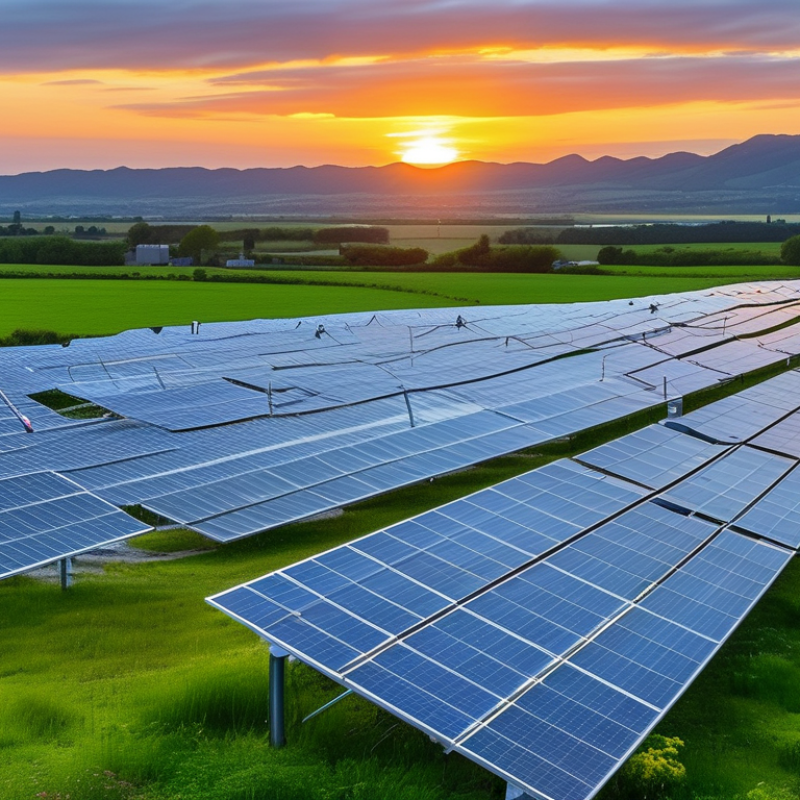
Benefits of Increased Energy Efficiency with Water Solar Heaters
Water solar heaters are gaining attention for their energy efficiency. According to the U.S. Department of Energy, they can reduce utility costs by up to 75%. This significant savings helps homeowners invest in sustainable energy solutions.
These systems utilize solar panels to convert sunlight into heat. This renewable energy source directly heats water, minimizing reliance on conventional electricity. The Environmental Protection Agency indicates that using solar heaters can reduce greenhouse gas emissions significantly, promoting a cleaner environment.
Tips: Consider your local climate. Homes in sunnier regions may benefit more from solar water systems. Regular maintenance is crucial. Inspect the panels and system annually to ensure optimal performance.
Despite their advantages, initial installation costs can be high. Some homeowners may hesitate due to this barrier. However, long-term savings and potential tax incentives can offset initial investments. A study by the Solar Energy Industries Association highlights the increasing affordability of these technologies, making them a viable option for many homeowners.
Cost Savings Through Reduced Utility Bills with Solar Heating
Investing in an all-in-one water solar heater can lead to significant cost savings. Solar energy harnesses the sun's power to heat water, reducing reliance on traditional energy sources. Many homeowners notice a sharp decline in their utility bills after installing these systems. Imagine slashing your monthly expenses by up to 50% just by using the sun.
On sunny days, the solar heater can provide hot water without drawing any electricity. This leads to immediate savings during peak usage times. However, installation costs can be a barrier for some. It's crucial to evaluate local incentives or rebates available to offset these expenses. Some users also report learning curves in maintenance, which can be a drawback.
Reliability is a concern for many. Though solar heaters are generally low-maintenance, they do rely on sunlight. In regions with prolonged cloudy days, backup systems may still be necessary. This could lead to increased costs, counteracting some of the savings. Balancing upfront investment with long-term benefits is essential for potential buyers.
Environmental Impact: How Solar Water Heaters Reduce Carbon Footprint
Solar water heaters offer significant environmental benefits. They harness energy from the sun to heat water, reducing reliance on fossil fuels. This shift leads to lower greenhouse gas emissions. The importance of this cannot be overstated. Every household that switches to solar contributes to a cleaner atmosphere.
The reduction in carbon footprint is substantial. Traditional water heating methods often emit large amounts of CO2. Solar heaters, on the other hand, produce little to no emissions. This change means cleaner air for future generations. Adopting solar technology could cut energy costs as well. However, the initial installation can be a barrier. Some homeowners may hesitate, unsure about the upfront investment.
Transitioning to solar water heating systems makes sense. By relying on renewable energy, we take a crucial step in combating climate change. It is essential to weigh the pros and cons carefully. The technology is not perfect, and systems may require maintenance. Still, the long-term environmental benefits are worth considering. Sustainable choices today can shape our planet for tomorrow.
Ease of Installation and Maintenance for Homeowners
Installing an all-in-one water solar heater can be a simple project for many homeowners. Most systems come with a straightforward installation guide. Many users report setting up the system in just a few hours. This ease of installation is appealing. You don't need a professional installer for such systems. Homeowners can save money by tackling the installation themselves.
Maintenance is also low-stakes. Regular checks are generally all that's required. A quick inspection a few times a year can prevent major issues. Owners often find they only need to clean the solar panels. This can be done with simple tools. However, not everyone feels confident doing this. Some may hesitate to climb on their roofs or may overlook maintenance tasks. While the process is generally easy, it can still be beneficial to consult with an expert if you're uncertain.
Some may find that the system's efficiency decreases if not maintained properly. It’s easy to forget about routine checks. Over time, neglecting the upkeep might lead to costly repairs. Reflection on this aspect is crucial. By adopting a consistent maintenance routine, homeowners can enhance their system’s performance. Ensuring your water solar heater remains in good condition is key to maximizing savings and efficiency.
Enhancements in Property Value with Solar Water Heating Systems
Installing a solar water heating system can significantly enhance your property value.
These systems provide energy-efficient solutions that attract environmentally-conscious buyers.
With the rising cost of energy, homes equipped with such technology offer appealing savings on utility bills.
Real estate experts suggest that properties boasting renewable energy features often sell for more.
A home with a solar water heater signals lower operating costs and modern upgrades.
Potential buyers recognize this investment as a long-term benefit.
However, the installation process is not without challenges.
Homeowners may need to navigate zoning regulations or determine proper placement for maximum efficiency.
Understanding these factors is crucial. Properly executed installations lead to optimal performance,
while subpar setups may detract from cost-saving goals.
Investing in quality installation can yield significant dividends in property appreciation.