What Are the 2026 Top High Temperature Heat Pump Types?
As 2026 approaches, the High Temperature Heat Pump market is becoming more practical and more competitive. These systems can supply water temperatures above 70°C, helping older buildings reuse existing radiators. However, performance depends on climate, building insulation, refrigerant choice, and operating temperature.
Dr. Jan Rosenow, a recognised heating policy expert, has said, “Heat pumps are a key technology for decarbonising heating.” His observation reflects current field experience. Air-source models are usually easier to install and cost less upfront. Ground-source systems often deliver steadier efficiency, especially during cold weather. Water-source units can perform well where reliable water resources and permits are available. Industrial users may also consider CO2 or other high-temperature systems for demanding process heat.
The best option is not always the most powerful one. That is easy to forget. A 90°C output rating may look impressive, but efficiency can fall sharply at maximum temperature. Installers should examine heat-loss calculations, seasonal performance, compressor limits, noise levels, maintenance access, and local electricity prices. Real buildings rarely match laboratory conditions. Poor controls can waste energy, even with advanced equipment.
This guide compares the leading High Temperature Heat Pump types expected to attract attention in 2026. It considers operating ranges, refrigerants, retrofit suitability, carbon performance, and total ownership cost. The discussion also recognises an uncomfortable point: some properties may need insulation upgrades before heat pump installation. Technology alone cannot fix every inefficient building. The most reliable choice combines verified specifications, professional design, careful commissioning, and honest expectations.
What Defines a High-Temperature Heat Pump in 2026?
In 2026, a high-temperature heat pump is defined by useful delivery, not a dramatic brochure number. It can usually supply 65–90°C water, depending on the source, refrigerant, and operating conditions. More important, it should maintain that output without excessive electrical demand. A credible specification reports capacity and COP at outdoor temperatures such as 7°C, 2°C, and -7°C. It also states whether testing includes defrosting, circulation pumps, and backup heating. These details matter in a renovated building with old radiators and narrow pipework. Small data gaps can change the design.
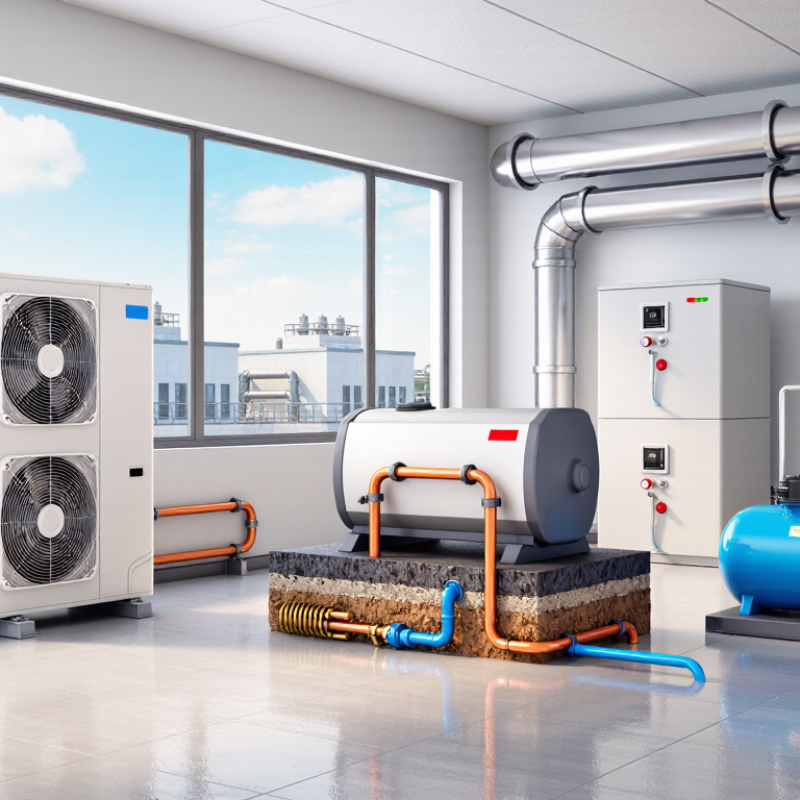
The main types include air-source, ground-source, and water-source high-temperature systems. Air-source units are easier to install, but frost can reduce output during a damp winter morning. Ground-source systems often receive steadier input temperatures, although drilling, permits, and site access increase project complexity. Water-source designs can perform well where a suitable water loop is legally available. A high-temperature label should also describe compressor control, leaving-water temperature, noise, safety controls, and service access. Not the maximum temperature. In a site assessment, I would check room-by-room heat loss, radiator size, flow temperature, and measured electricity use. A 75°C setting may hide poor insulation. That is uncomfortable. Yet it can prevent oversized equipment and disappointing bills. Certified results deserve more trust than marketing claims, though they may not match every home.
Why Ground-Source Systems Deliver Consistent High Heat
What Are the 2026 Top High Temperature Heat Pump Types?
Why Ground-Source Systems Deliver Consistent High Heat
High-temperature heat pumps are becoming important for older buildings with radiators. The main types include air-source, ground-source, and water-source systems. Ground-source heat pumps deserve special attention because underground temperatures change slowly throughout the year. This stability supports steadier heating during freezing weather.
The U.S. Department of Energy reports that geothermal heat pumps can use 25% to 50% less electricity than conventional heating and cooling systems. The International Energy Agency also identifies heat pumps as a major pathway for reducing building emissions. Ground-source systems can often deliver heating water above 55°C when properly designed. Their output remains more predictable because the ground does not experience sudden outdoor temperature drops.
That consistency feels practical in a real home. Radiators warm gradually, rooms avoid sharp temperature swings, and compressors face fewer extreme operating conditions. Still, installation is not simple. Drilling, soil conditions, land access, and system sizing can change the project cost significantly. A high supply temperature may also reduce efficiency. This detail is easy to overlook.
Tips: Request a room-by-room heat-loss calculation. Ask for seasonal performance data, not only peak output. Check whether existing radiators can operate efficiently at lower water temperatures. The European Heat Pump Association recommends evaluating the whole heating system, rather than selecting equipment by capacity alone.
2026 Top High-Temperature Heat Pump Types
Ground-source systems typically deliver a stable 60–70°C supply-water range because ground temperatures change much less than outdoor air temperatures. Air-source systems can also reach high temperatures, but their output and efficiency are more affected by cold weather and defrost cycles.
Ranges are representative engineering values for high-temperature systems; actual performance depends on climate, system design, refrigerant, and operating conditions.
How to Compare 2026 Heat Pump Types for Different Buildings
Comparing 2026 high-temperature heat pump types starts with the building, not the equipment. Air-source units suit many homes, especially where outdoor access is simple. Ground-source systems offer steadier performance, but installation needs land, drilling, or buried loops. Water-source systems can work well near reliable water resources and larger facilities. Each type can reach higher supply temperatures, yet efficiency usually falls as the temperature rises.
Older buildings with cast-iron radiators may need high-temperature operation during cold mornings. Still, insulation, window condition, and radiator sizing should be checked first. A smaller heat pump may perform better after reducing heat loss. Large commercial buildings may favor water or ground sources because their loads are more predictable. Apartment blocks need space, noise control, hydraulic balancing, and careful hot-water planning. Small details matter.
Tips: Compare seasonal efficiency, not only the maximum outlet temperature. Request performance data at several outdoor temperatures. Check whether existing radiators can heat rooms at lower flow temperatures. Measure electrical capacity before replacing boilers. Ask for noise readings at bedroom windows. Review service access and refrigerant safety requirements with a qualified professional. No comparison is perfect. Weather, occupant habits, and poor controls can change real results. A projected energy bill may still miss these factors, so monitor temperatures and consumption after installation.