Why a Water Heatpump is the Most Efficient Choice for Your Home Energy Needs
In today's world, where energy efficiency and sustainability are paramount, homeowners are continually seeking innovative solutions to meet their energy needs without compromising comfort. Among the myriad options available, the
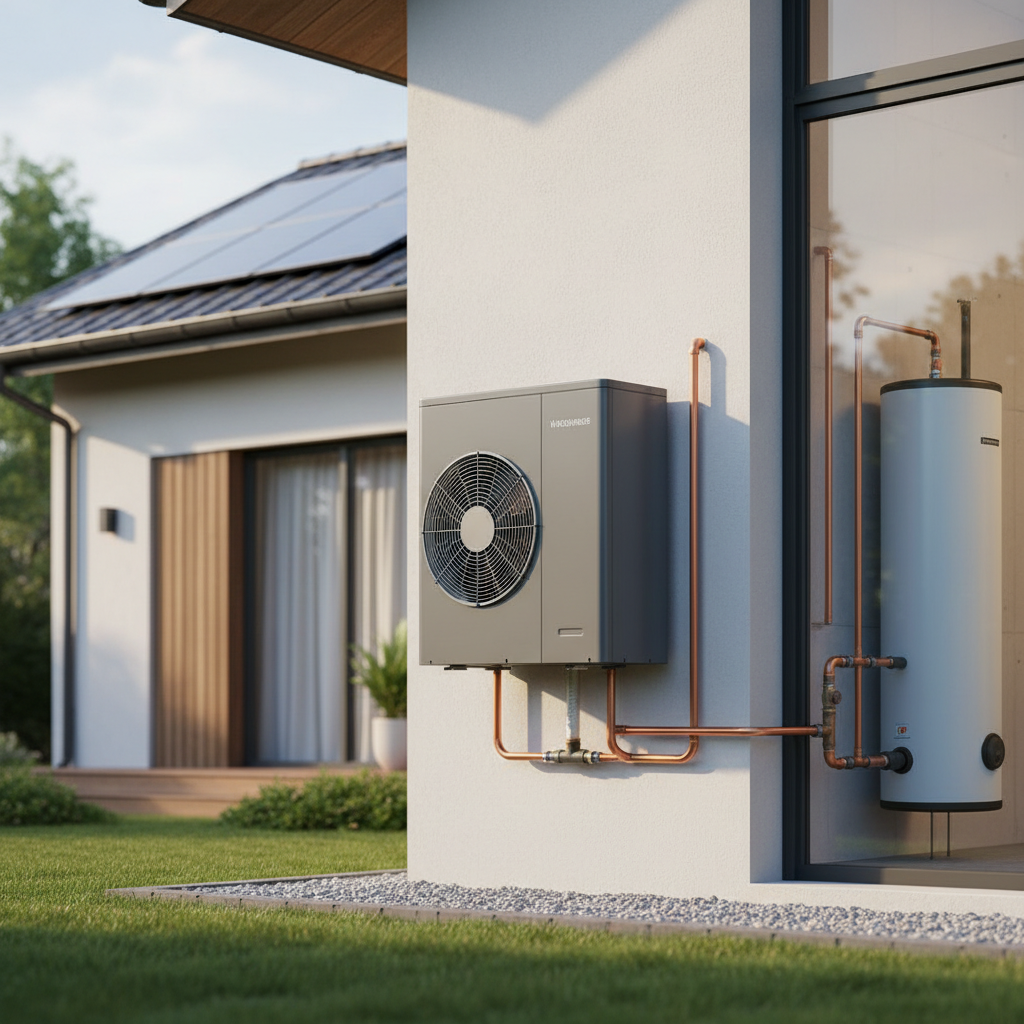
Water Heatpump stands out as a leading choice, merging efficiency with eco-friendliness. This advanced technology not only reduces energy consumption but also lowers utility bills, making it a financially savvy investment for homeowners.
As we delve into the benefits of Water Heatpumps, it becomes evident that their operational mechanics are designed to maximize energy conversion while minimizing waste. Unlike traditional heating systems that rely heavily on fossil fuels, Water Heatpumps utilize renewable sources, offering a sustainable alternative that significantly contributes to reducing carbon footprints. Additionally, the versatility of Water Heatpumps makes them suitable for various applications, including heating water for domestic use or providing warmth to entire living spaces.
Ultimately, the decision to invest in a Water Heatpump is driven by a desire for efficiency and environmental responsibility. By aligning with modern principles of energy conservation and sustainability, homeowners can not only enhance their living conditions but also take a proactive step towards a greener future.
Benefits of Using a Water Heat Pump for Home Heating and Cooling
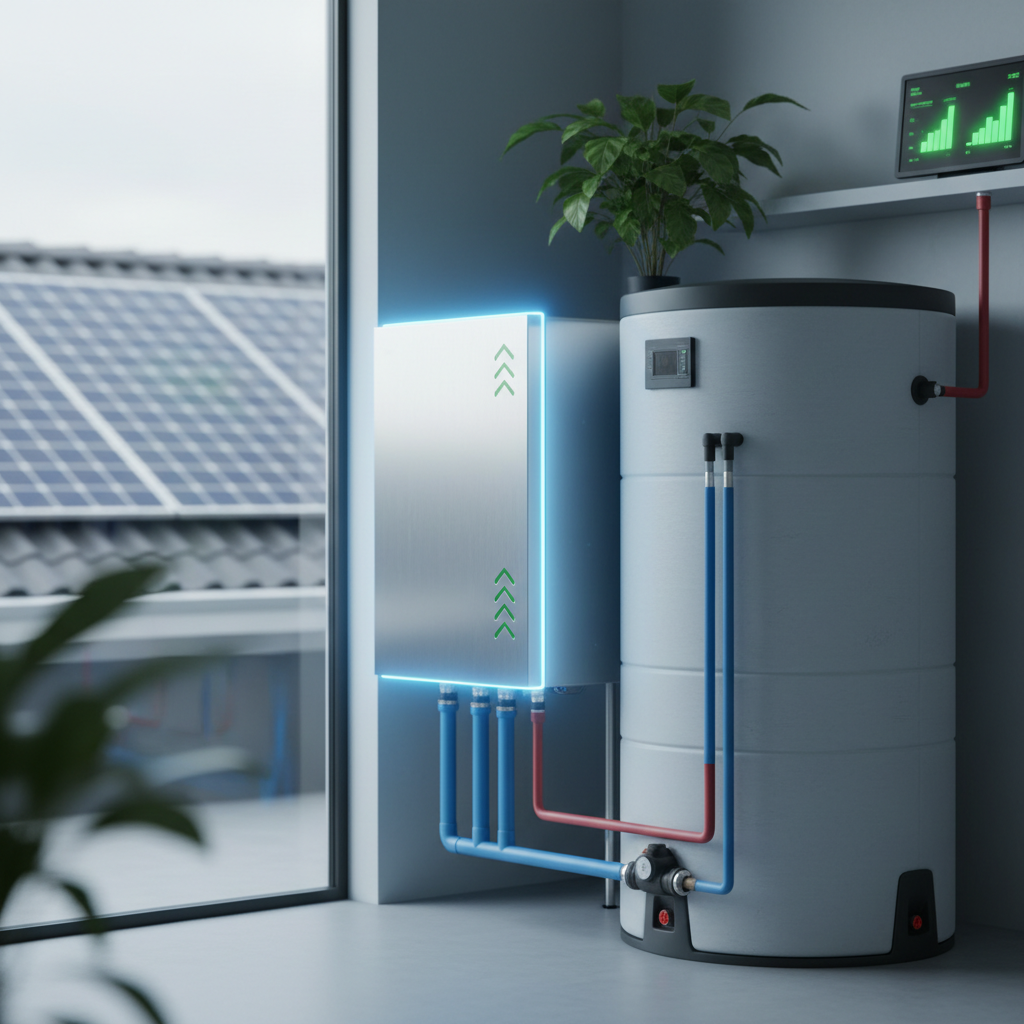
When considering efficient home energy solutions, water heat pumps emerge as a premier choice for both heating and cooling. These systems leverage the natural heat found in water, providing superior efficiency compared to traditional heating methods that rely heavily on fossil fuels. A report from the U.S. Department of Energy indicates that heat pump water heaters can be two to three times more efficient than conventional electric water heaters, greatly reducing monthly energy bills for homeowners.
The transition to heat pumps can also lead to significant environmental benefits. By reducing dependence on delivered fuels such as oil and propane, households can contribute to cleaner air and diminished greenhouse gas emissions. In fact, the Clean Power Plan estimates that widespread adoption of heat pump technology could lower nationwide emissions from residential heating by 10%. Additionally, many states are now offering incentives, rebates, and tax credits for homeowners who make the switch, further easing the financial burden and making this renewable technology more accessible. As utility costs rise and awareness of environmental issues grows, embracing water heat pumps presents a compelling option for modern households.
Energy Efficiency Comparison: Water Heat Pump vs. Traditional Heating Methods
This bar chart illustrates the energy efficiency of various heating methods, measured by their Coefficient of Performance (COP). The water heat pump stands out as the most efficient option, significantly outperforming traditional heating methods such as gas boilers, electric heaters, and oil furnaces.
Comparative Energy Efficiency: Water Heat Pumps vs. Traditional Systems
When evaluating home energy systems, the comparative energy efficiency of water heat pumps versus traditional heating methods reveals significant advantages. Traditional systems, such as gas or electric furnaces, primarily rely on combustion processes or resistive heating, which often leads to wasted energy and higher operating costs. In contrast, water heat pumps utilize ambient water sources to transfer heat, operating with remarkable efficiency by moving rather than generating heat. This results in lower energy consumption and enhanced cost savings over time.
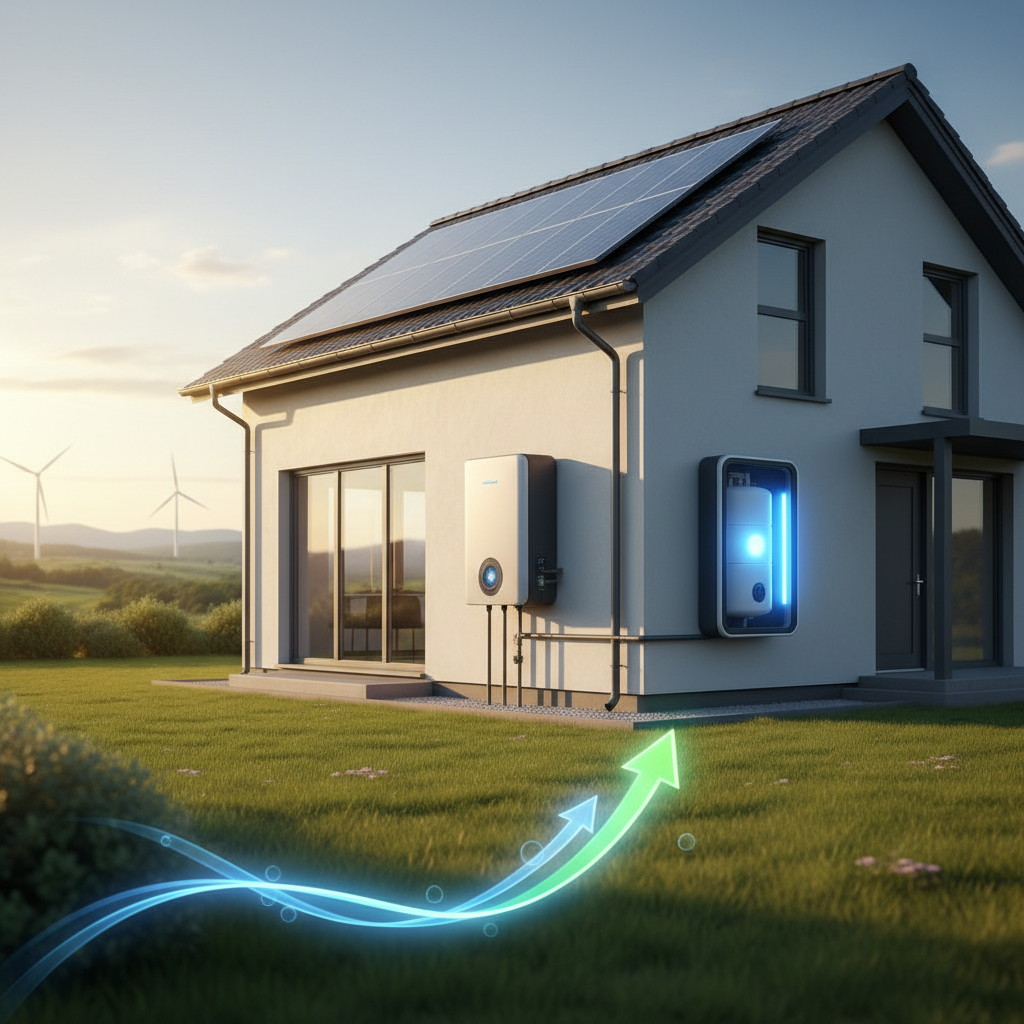
Moreover, water heat pumps are designed to adapt to varying environmental conditions, maintaining efficiency across different seasons. While traditional heating systems may struggle with extreme temperatures, water heat pumps can extract heat even from cold water, ensuring a consistent indoor climate. This adaptability not only maximizes energy use but also translates into fewer emissions, making water heat pumps a more environmentally friendly choice. Ultimately, the superior energy efficiency of water heat pumps positions them as the ideal solution for homeowners seeking sustainable and cost-effective heating alternatives.
Cost Savings: Long-Term Financial Benefits of Water Heat Pumps
Water heat pumps are fast becoming the go-to solution for homeowners seeking to optimize their energy expenses. These systems utilize the ambient heat from the ground or air, making them significantly more efficient than traditional heating methods. The initial investment in a water heat pump may be higher compared to conventional heaters, but the long-term financial benefits quickly outweigh the upfront costs.
By converting energy from the environment and using it for heating and cooling, water heat pumps can operate at efficiencies of up to 300% or more. This means that for every unit of electricity consumed, multiple units of heating or cooling are delivered. As energy prices continue to rise, the cost savings over time can be substantial, providing a reliable return on investment. Additionally, many regions offer incentives and rebates for installing energy-efficient systems, further enhancing the financial viability of water heat pumps. Embracing this technology not only reduces monthly utility bills but also contributes to a more sustainable energy future.
Maintenance Tips for Optimizing Your Water Heat Pump's Performance
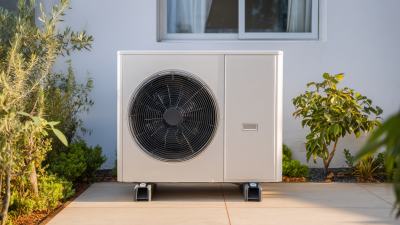
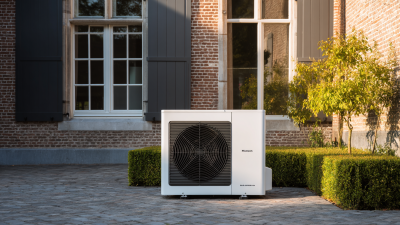
To ensure that your water heat pump operates at peak efficiency, regular maintenance is essential. Start by checking and cleaning the air filters monthly, as dirty filters can obstruct airflow and reduce the system's overall performance. Clear any debris or obstructions around the outdoor unit to maintain unobstructed airflow, which is critical for effective heat exchange.
Additionally, inspecting the refrigerant levels at least once a year can help identify potential issues before they escalate. If you notice any unusual noises or a decrease in heating efficiency, it might be time to schedule a professional service. Regularly topping off the system's refrigerant will sustain optimal performance and energy efficiency. Don’t forget to periodically check the condensate drain to prevent clogs that could lead to water damage.
By adhering to these maintenance tips, you can enhance your water heat pump's performance and ensure it meets your home's energy needs effectively.
Understanding the Environmental Impact of Choosing Water Heat Pumps
Water heat pumps are increasingly recognized for their environmental benefits, making them an excellent choice for homeowners looking to reduce their carbon footprint. Unlike traditional heating systems that rely on fossil fuels, water heat pumps utilize renewable energy sources, drawing heat from the air, ground, or water. This process not only minimizes greenhouse gas emissions but also significantly reduces energy consumption. By harnessing natural energy, these systems can provide heating and cooling with less environmental impact, promoting a more sustainable lifestyle.
Furthermore, the efficiency of water heat pumps contributes to their positive environmental profile. Since they transfer heat rather than generate it, they can achieve efficiencies of over 300%, meaning for every unit of electricity consumed, they can transfer several units of heat. This efficiency leads to lower energy bills and reduces reliance on non-renewable energy sources. By adopting water heat pumps, homeowners not only save money but also play a crucial role in transitioning to a cleaner energy future, ultimately benefiting both their wallets and the planet.