The Ultimate Guide to Understanding Monoblock Air Conditioners for Efficient Cooling
In the quest for energy-efficient cooling solutions, the Monoblock Air Conditioner has emerged as a popular choice for both residential and commercial applications. According to the International Energy Agency (IEA), air conditioning accounts for about 10% of global electricity consumption, highlighting the need for advanced systems that minimize energy use without compromising comfort.
The Monoblock Air Conditioner, known for its compact design and ease of installation, offers significant advantages in terms of efficiency. A report from the Global Energy Group indicates that monoblock systems can reduce energy consumption by up to 30% compared to traditional split units when appropriately sized and installed. This guide delves into the mechanics, benefits, and best practices for utilizing Monoblock Air Conditioners, ensuring optimal performance and maximum savings in your cooling strategy.
What is a Monoblock Air Conditioner and How Does It Work?
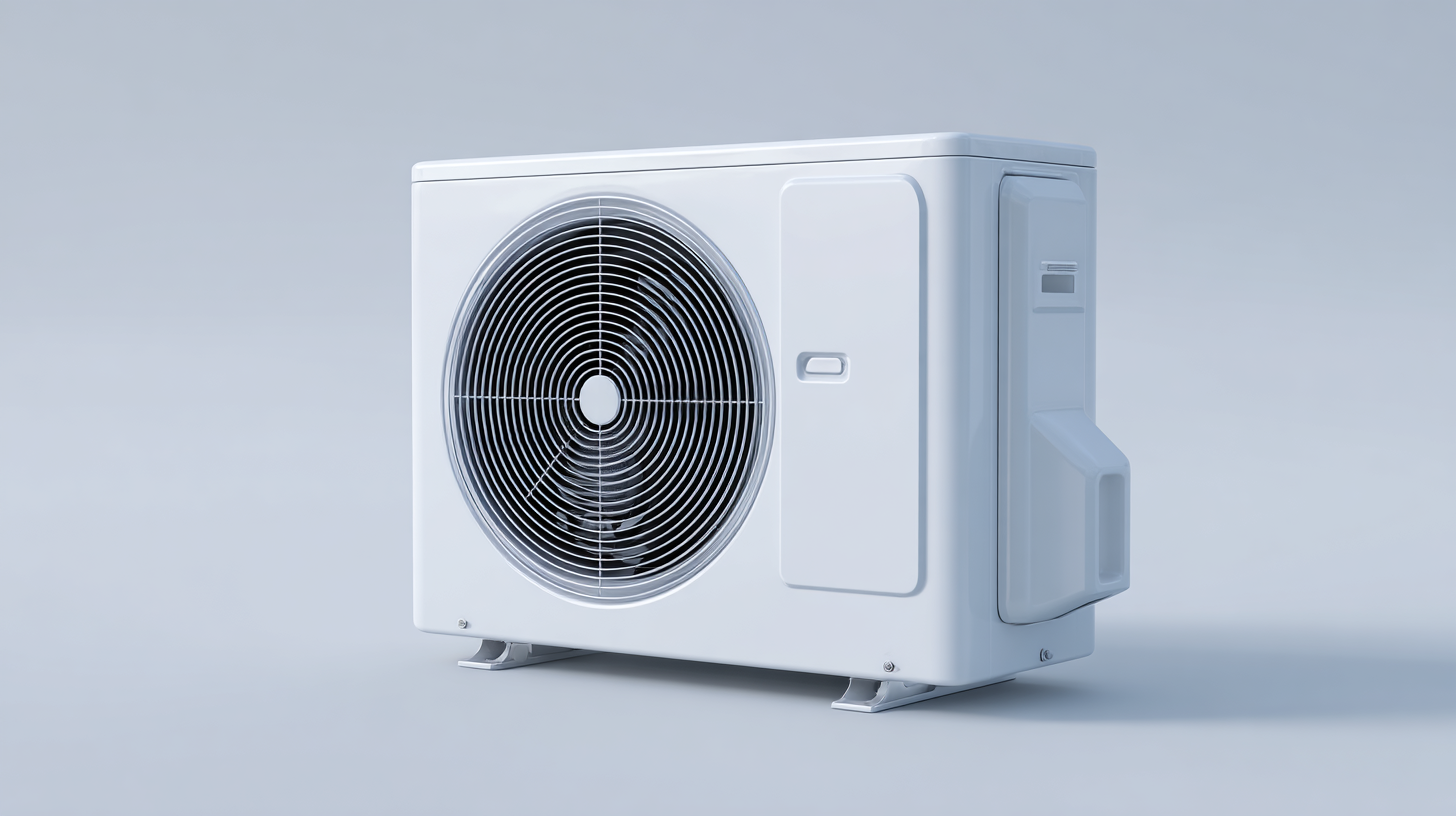
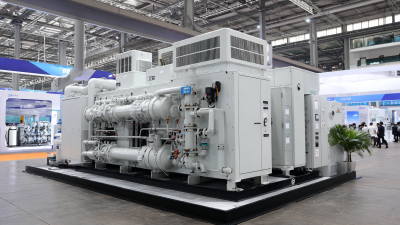
Monoblock air conditioners have gained popularity due to their compact design and efficiency, particularly in spaces where traditional split systems may not be practical. Unlike split systems, which consist of an indoor and outdoor unit, monoblock units integrate all components in a single casing, allowing for easier installation and maintenance.
According to a recent industry report, these units are becoming more prevalent in residential settings, accounting for an estimated 25% growth in sales over the past three years.
The functioning of a monoblock air conditioner relies on a refrigeration cycle that effectively transfers heat from the indoor environment to the outside. Within the unit, refrigerant circulates, absorbing heat from the air inside and releasing it externally. This process is not only energy-efficient but also compliant with modern environmental standards, given that many models now utilize eco-friendly refrigerants. Industry experts indicate that monoblock air conditioners can achieve seasonal energy efficiency ratios (SEER) exceeding 15, making them a sensible choice for consumers looking to reduce their carbon footprint while enjoying optimal cooling comfort.
Key Features and Benefits of Monoblock Air Conditioners
Monoblock air conditioners stand out in the market for their simplicity and efficiency. Unlike their split counterparts, these units come as a single compact system, making installation hassle-free. According to the International Energy Agency, energy-efficient cooling solutions like monoblock air conditioners can reduce electricity consumption by up to 30% compared to traditional models. This translates to not only lowered energy bills for consumers but also a reduced carbon footprint, contributing positively to environmental sustainability.
One of the key features of monoblock systems is their ability to provide both cooling and heating functions. This dual capability makes them an attractive option for year-round use. Additionally, many models are equipped with advanced technologies such as inverter compressors, which adjust the cooling output based on the ambient temperature, enhancing energy efficiency further. Reports from the Air-Conditioning, Heating, and Refrigeration Institute indicate that inverter technology can boost efficiency ratings by 25-50%, emphasizing the technological advancements in modern monoblock air conditioners. With their compact design and powerful performance, monoblock air conditioners are increasingly becoming a preferred choice for efficient home cooling solutions.
The Ultimate Guide to Understanding Monoblock Air Conditioners for Efficient Cooling
This chart illustrates the user ratings of key features associated with monoblock air conditioners. The ratings span five important dimensions that highlight their efficiency and usability, helping potential buyers make informed decisions.
Comparing Monoblock Air Conditioners to Traditional Split Systems
When comparing monoblock air conditioners to traditional split systems, several key differences come into play. Monoblock units feature a single casing that houses all the essential components within one unit, simplifying installation and reducing space consumption. This makes them especially appealing for smaller spaces or temporary cooling needs. In contrast, traditional split systems consist of two separate units: an indoor evaporator and an outdoor condenser, which can offer more powerful cooling and better efficiency for larger areas.
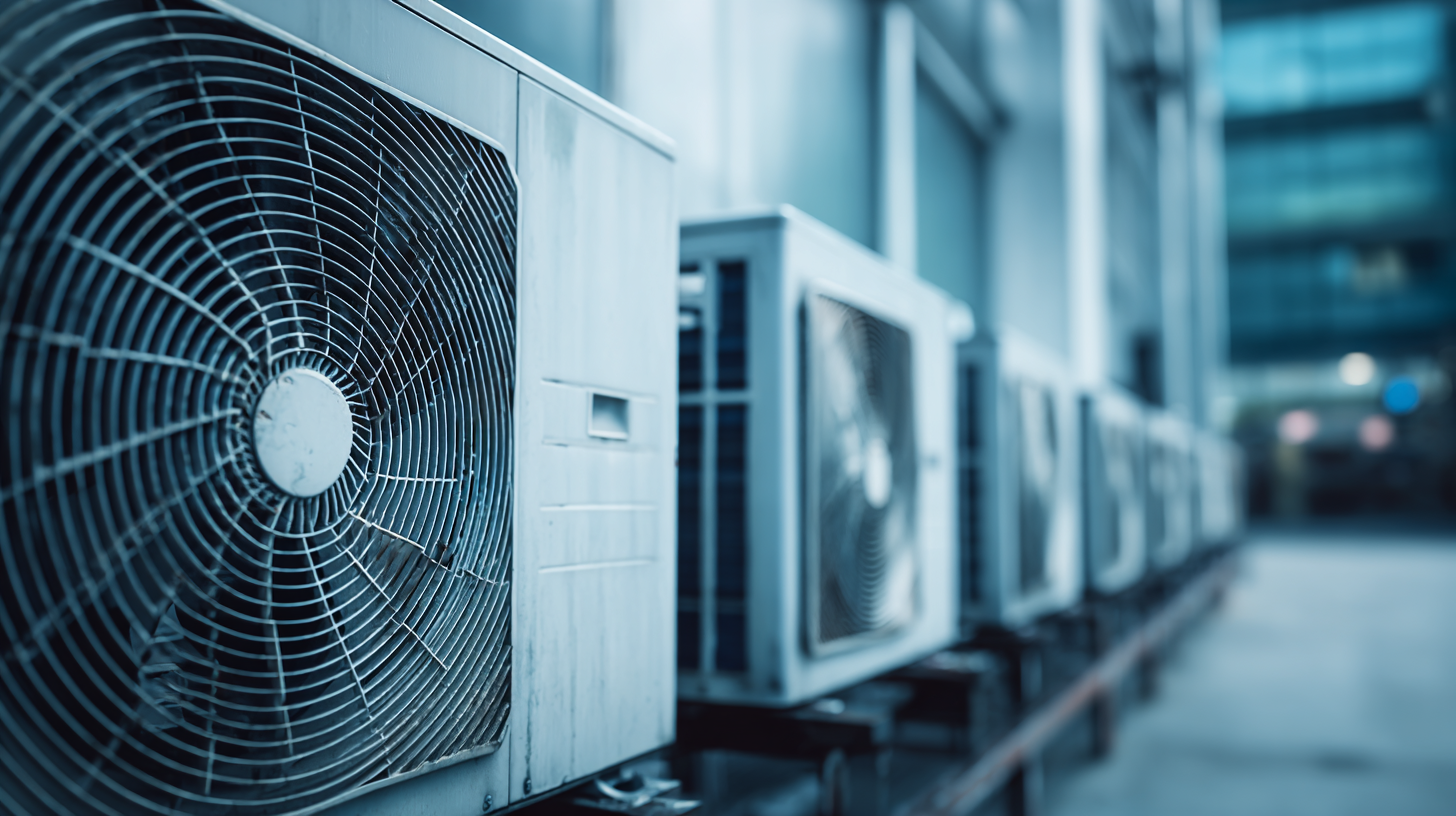
Energy efficiency is another important factor in this comparison. Monoblock units tend to have lower energy ratings, primarily due to their design and the fact that they often rely on higher electricity use to achieve adequate cooling. On the other hand, split systems are generally more energy-efficient, thanks to their advanced technology, such as inverter compressors and improved airflow management. Additionally, while monoblock air conditioners might be less expensive upfront, considering long-term energy costs could make split systems a more economical choice over time, especially for households that use air conditioning extensively.
Best Applications for Monoblock Air Conditioners in Residential Settings
Monoblock air conditioners are increasingly becoming the go-to solution for efficient cooling in residential settings. These compact units, designed to operate as a single unit consisting of both evaporator and condenser, are particularly well-suited for small to medium-sized rooms. Their straightforward installation process allows homeowners to enjoy immediate relief from heat without extensive modifications to their living spaces. As they do not require outdoor components, monoblock air conditioners are ideal for apartments or homes where exterior modifications are restricted.
In addition to their ease of installation, monoblock air conditioners excel in versatility. They work well in various applications including bedrooms, living rooms, and even home offices. Their ability to cool specific areas efficiently makes them an attractive choice for targeted cooling, especially in homes with open floor plans. Furthermore, the energy-efficient models available today help homeowners reduce electricity bills while maintaining a comfortable indoor climate. With adjustable settings and features such as timers and sleep modes, these systems can be tailored to meet the unique cooling needs of any residential environment.
Tips for Maintaining and Optimizing Your Monoblock Air Conditioner
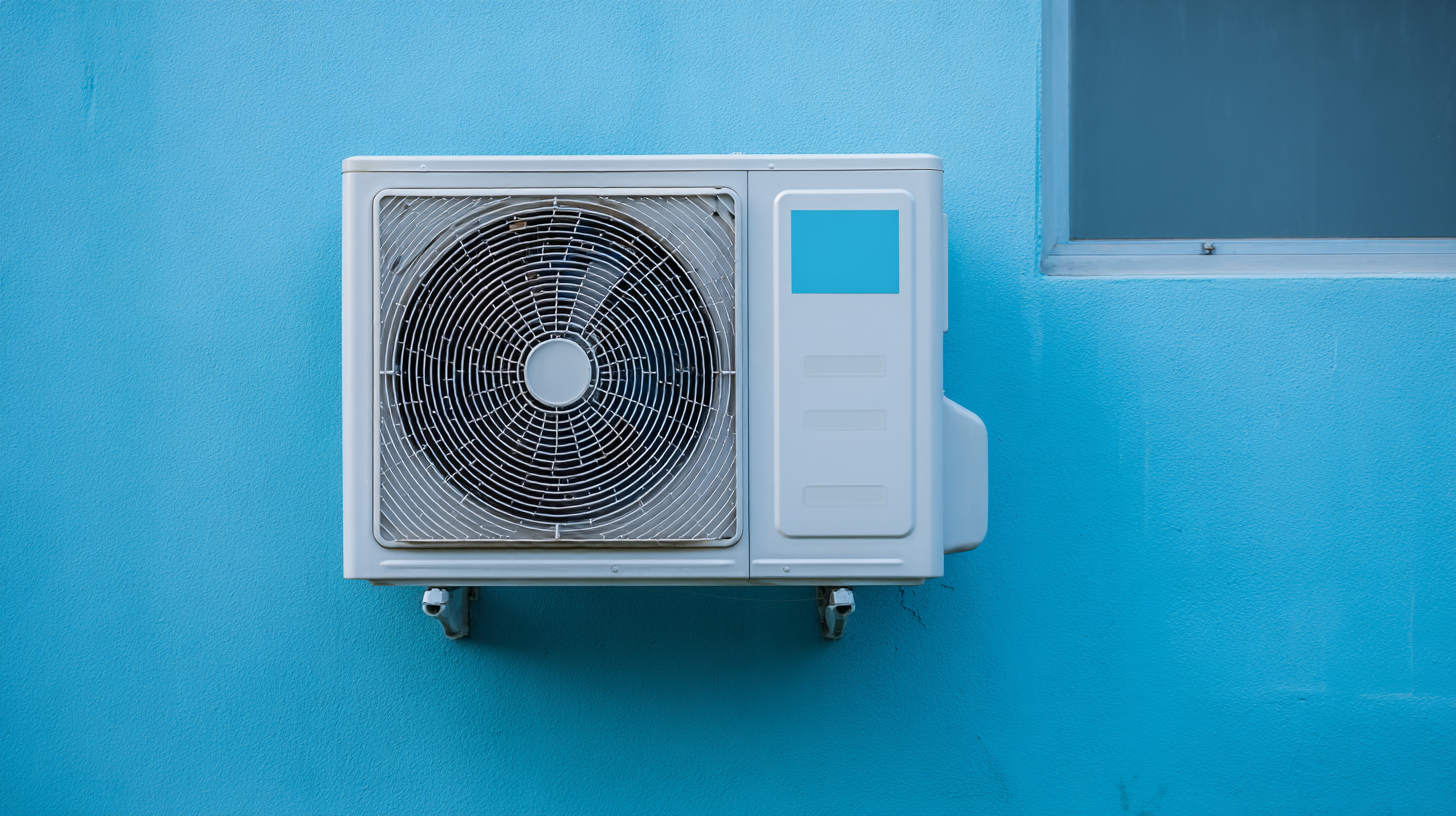 Monoblock air conditioners are increasingly popular due to their compact design and efficient cooling capabilities. To ensure optimal performance, proper maintenance is essential. Regularly cleaning or replacing the air filters can significantly enhance efficiency and extend the lifespan of the unit. It's recommended to check these filters every month, particularly during peak usage seasons, allowing for better air circulation and improved indoor air quality.
In addition to filter maintenance, users should also pay attention to the outdoor unit's location. Ensuring it is free from obstructions and debris will facilitate better airflow and cooling efficiency. Furthermore, scheduling professional servicing at least once a year can help detect and rectify potential issues early, maintaining the unit's performance. By implementing these tips, homeowners can maximize their monoblock air conditioner’s efficiency, providing a comfortable indoor environment throughout the year.