Leave Your Message
Choosing a Rice Dryer manufacturer in China is not just a matter of comparing price lists. Buyers need to know how a machine handles real harvest conditions, from uneven grain moisture to dusty, busy drying yards. A reliable dryer should offer steady temperature control, consistent airflow, and clear operating instructions. Small details matter. A poorly placed inspection door or hard-to-clean screen can slow daily work.
This guide looks at manufacturers through practical criteria: product range, technical support, customization options, quality controls, and experience serving different farm sizes. Company claims deserve careful checking. Ask for specifications, installation guidance, spare-parts availability, and references from comparable operations. When possible, review a working unit rather than relying on photos. The right capacity depends on harvest volume, grain moisture, fuel availability, and local operating routines—not simply the largest number in a brochure.
There is no perfect supplier for every buyer. Some manufacturers may offer strong engineering but limited overseas service; others may provide responsive support with fewer model choices. That trade-off matters. This comparison aims to identify leading Chinese manufacturers while making the selection process more transparent. It also leaves room for uncertainty: product quality and after-sales performance can vary by model, configuration, and service team. A careful shortlist, followed by direct questions, is more useful than a confident ranking alone.
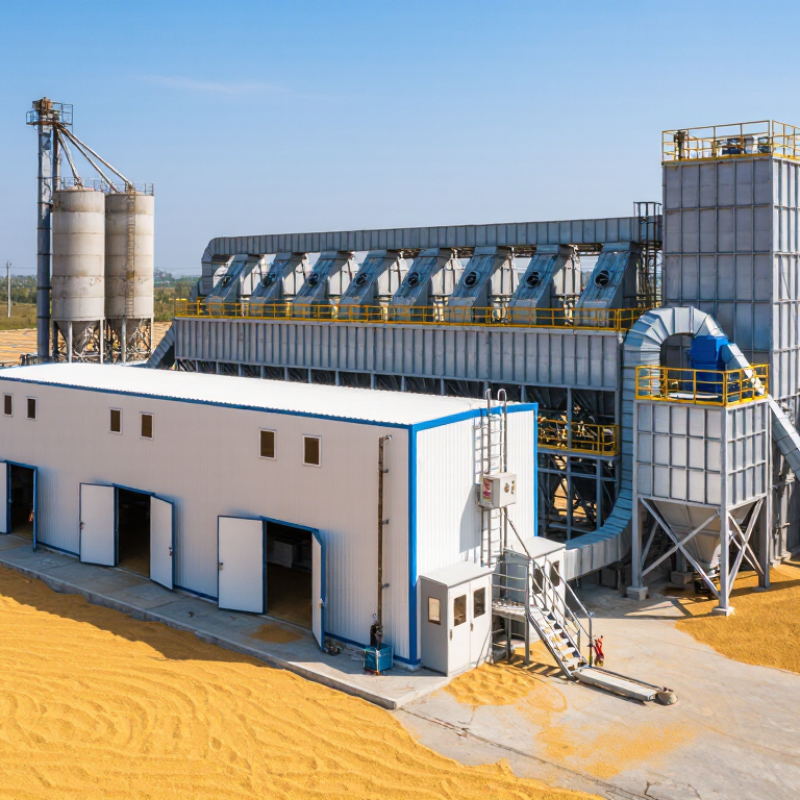
China’s rice dryer manufacturing industry includes equipment makers, component suppliers, and engineering teams serving farms, cooperatives, and grain processors. Products range from batch dryers for smaller harvests to continuous systems designed for higher throughput. Many manufacturers offer different capacities, heat sources, and control options. The range is broad. Build quality and after-sales support can vary, so buyers should assess each supplier rather than assume similar specifications mean similar performance.
Tips: Ask for drying results using rice with moisture levels close to your own crop. Check temperature controls, airflow distribution, and how easily the machine can be cleaned. Request clear guidance on installation and routine maintenance. Small details matter.
When comparing manufacturers, review operating costs as well as purchase price. Fuel or electricity use, labor needs, and drying time affect long-term value. Ask to see technical documents and, where possible, observe a machine running under realistic conditions. A smooth demonstration is useful, but it may not reflect a busy harvest season. This is an area worth questioning carefully. Reliable suppliers should explain operating limits, expected output, and service arrangements without promising identical results for every crop.
| Who Are the Top Rice Dryer Manufacturers in China? - Overview of China’s Rice Dryer Manufacturing Industry | ||
|---|---|---|
| Industry Dimension | Typical Industry Characteristics | Buyer or Operator Consideration |
| Main product types | Rice-drying equipment commonly includes batch recirculating dryers and continuous-flow dryers. Systems may also be supplied as part of a larger grain-handling line. | Choose a configuration based on throughput, available space, operating schedule, and whether grain is handled in batches or continuously. |
| Material handled | The primary material is paddy rice (unmilled rice), which is dried before storage or further processing. | Confirm that the dryer is designed for paddy and for the local varieties, grain condition, and harvest moisture levels. |
| Capacity measurement | Batch systems are generally rated by tonnes per batch; continuous systems are commonly rated by tonnes per hour or tonnes per day. Rated capacity depends on operating conditions and the specified moisture reduction. | Compare capacity figures only when the inlet and outlet moisture assumptions, operating hours, and test conditions are stated. |
| Drying method | Heated air passes through the grain. Depending on dryer design, grain may be mixed, circulated, or moved through drying zones, with tempering used in some processes. | Ask how the equipment manages airflow, grain movement, and temperature uniformity throughout the load. |
| Heat sources | Dryer systems may be configured with different heat sources, such as biomass, gas, liquid fuel, or electric heating, depending on the model and site infrastructure. | Check local fuel availability, operating cost, emissions requirements, and whether the heat source is included in the quoted system. |
| Moisture measurement | Grain moisture is commonly expressed on a wet basis. The required final moisture depends on storage duration, storage conditions, and applicable local requirements. | Confirm the measurement method and calibration procedure; verify outlet moisture with a suitable grain-moisture meter. |
| Common control parameters | Controls may monitor or adjust drying-air temperature, fan operation, grain feed or discharge, and drying time. Automation levels differ between models. | Review alarm functions, sensor locations, control access, and the availability of operating instructions and maintenance support. |
| Grain quality considerations | Uneven or overly aggressive drying can increase grain stress and fissuring, affecting milling quality and head rice yield. | Evaluate drying uniformity and the recommended operating procedure for the intended rice variety and moisture reduction. |
| Typical system components | A complete installation may include a drying chamber, heater, fan, grain elevator or conveyor, controls, and associated grain-handling equipment. | Clarify the scope of supply, installation requirements, electrical connections, foundations, and any components supplied separately. |
| Manufacturing and integration | China’s agricultural machinery sector includes equipment fabrication and the integration of mechanical, heating, ventilation, and control systems for grain processing. | Assess technical documentation, spare-parts availability, commissioning arrangements, and after-sales service for the destination market. |
| Note: This table summarizes general equipment and procurement characteristics. It does not rank individual manufacturers or present company-specific market-share data. Actual specifications vary by model and operating conditions. | ||