Revolutionizing Food Preservation with the Latest Vegetable Air Dryer Technology
In the ever-evolving landscape of food preservation, the advent of the
Vegetable Air Dryer technology marks a
significant breakthrough that promises to transform how we store and enjoy our produce. As
consumers become increasingly aware of the importance of maintaining the freshness and
nutritional integrity of vegetables, the Vegetable Air Dryer
emerges as a game-changing solution. This
innovative technology harnesses advanced drying techniques that not only extend the shelf
life of vegetables but also preserve their flavors, textures, and essential nutrients. By
facilitating a more efficient drying process, this technology reduces waste
and enhances food sustainability. As we delve deeper into the implications and advantages of
the Vegetable Air Dryer, it becomes clear that this revolutionary approach
is set to redefine our culinary practices and promote healthier eating habits in an era where
food quality is paramount.
The Evolution of Air Drying Technology in Vegetable Preservation
The evolution of air drying technology has significantly transformed the landscape of vegetable preservation, offering new methodologies that enhance food sustainability and convenience. Recent studies indicate that the dehydrated vegetables market is set for robust growth, projected to expand from USD 84.89 billion in 2024 to approximately USD 145.48 billion by 2031, driven by the increasing adoption of advanced dehydration techniques and rising health consciousness among consumers. The incorporation of innovative technologies, such as infrared drying and patented non-thermal processes, further underscores this evolution, enabling the preservation of nutritional integrity while extending shelf life.
Moreover, the European Union's dehydrated vegetables market is anticipated to experience an
8.1% compound annual growth rate (CAGR) through 2035, reflecting a heightened consumer demand for convenient and sustainable food solutions. As the global emphasis shifts towards long-lasting, ready-to-eat products, the air-dried food sector is expected to play a pivotal role. With an impressive market size estimated at USD 131.13 billion in 2024, coupled with a projected CAGR of 8.1% from 2025 to 2030, it is evident that air drying technology is not just a trend but a crucial component in the future of food preservation.
Key Advantages of Using Digital Vegetable Air Dryers
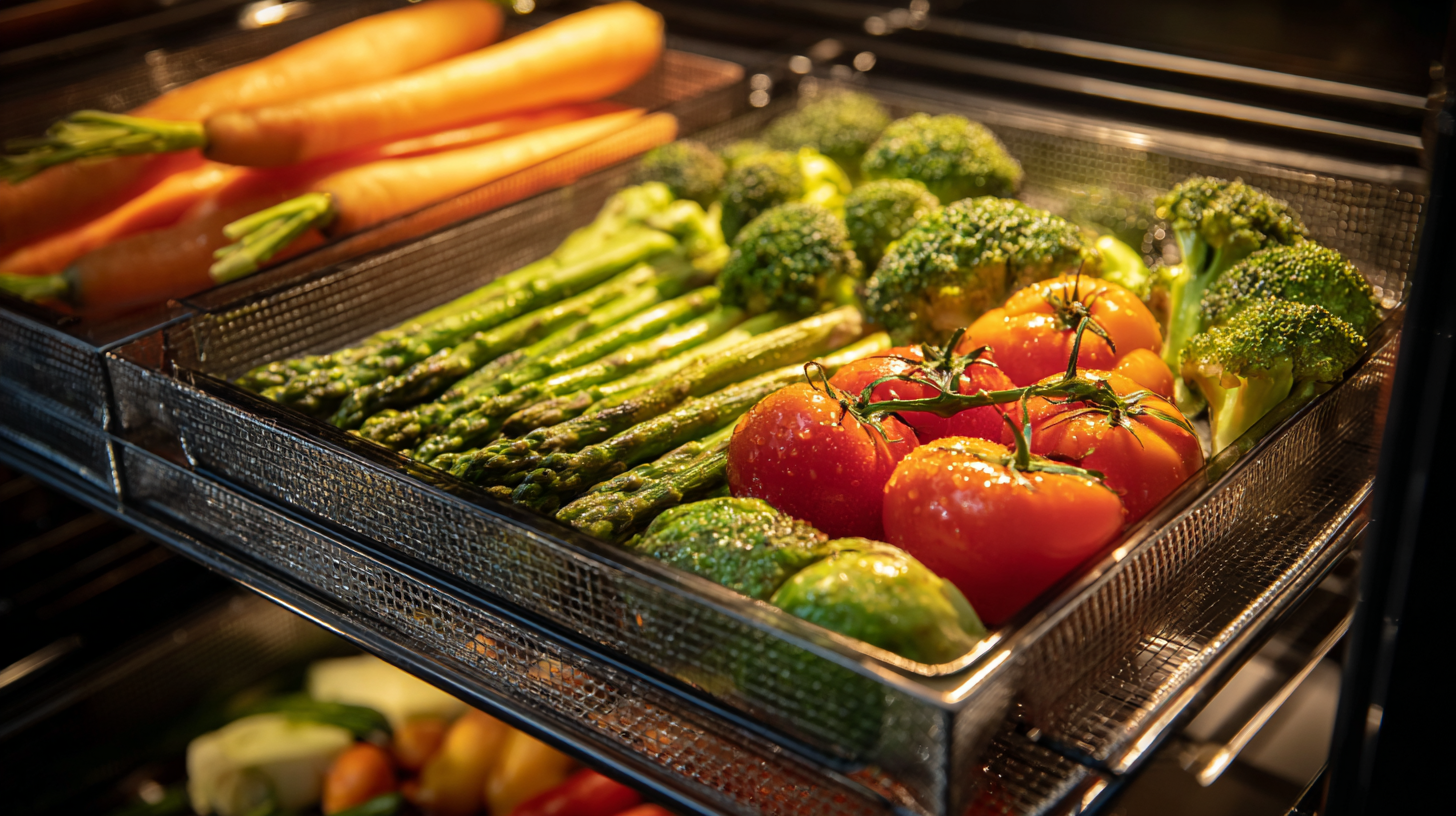
The advent of digital vegetable air dryer technology has significantly transformed food preservation methods, offering key advantages that are essential for both consumers and industry players. According to a report by MarketsandMarkets, the global food dehydration market is projected to reach USD 9.3 billion by 2025, with a compound annual growth rate (CAGR) of 9.2%. This growth is largely driven by increasing demand for dried vegetables with extended shelf life and improved nutritional retention, which is a notable benefit of using digital air drying techniques.
Digital air dryers utilize advanced temperature and humidity controls, allowing for precise drying that minimizes nutrient loss, a critical factor considering that conventional drying methods can destroy up to 40% of vitamins and minerals. Studies have shown that air-dried vegetables retain better color, flavor, and texture, making them more appealing for consumers. Furthermore, these devices operate with higher energy efficiency. For instance, a recent survey indicated that digital dryers can reduce energy consumption by up to 30% compared to traditional methods, contributing to lower operational costs and a smaller carbon footprint. Such advancements are not only crucial for sustainable food practices but also align with the growing consumer demand for health-conscious options.
Comparative Analysis: Traditional vs. Modern Food Preservation Methods
The comparison between traditional and modern food preservation methods highlights significant shifts in how we approach food storage and longevity. Traditional techniques, such as salting, fermenting, and drying, have been passed down through generations, reflecting a deep understanding of food's fundamental properties. For instance, salted eggs, a staple in Chinese cuisine, rely on age-old methods that effectively extend shelf life while enhancing flavor. However, despite their effectiveness, these methods may not always meet the demands of modern consumers who seek convenience and efficiency.
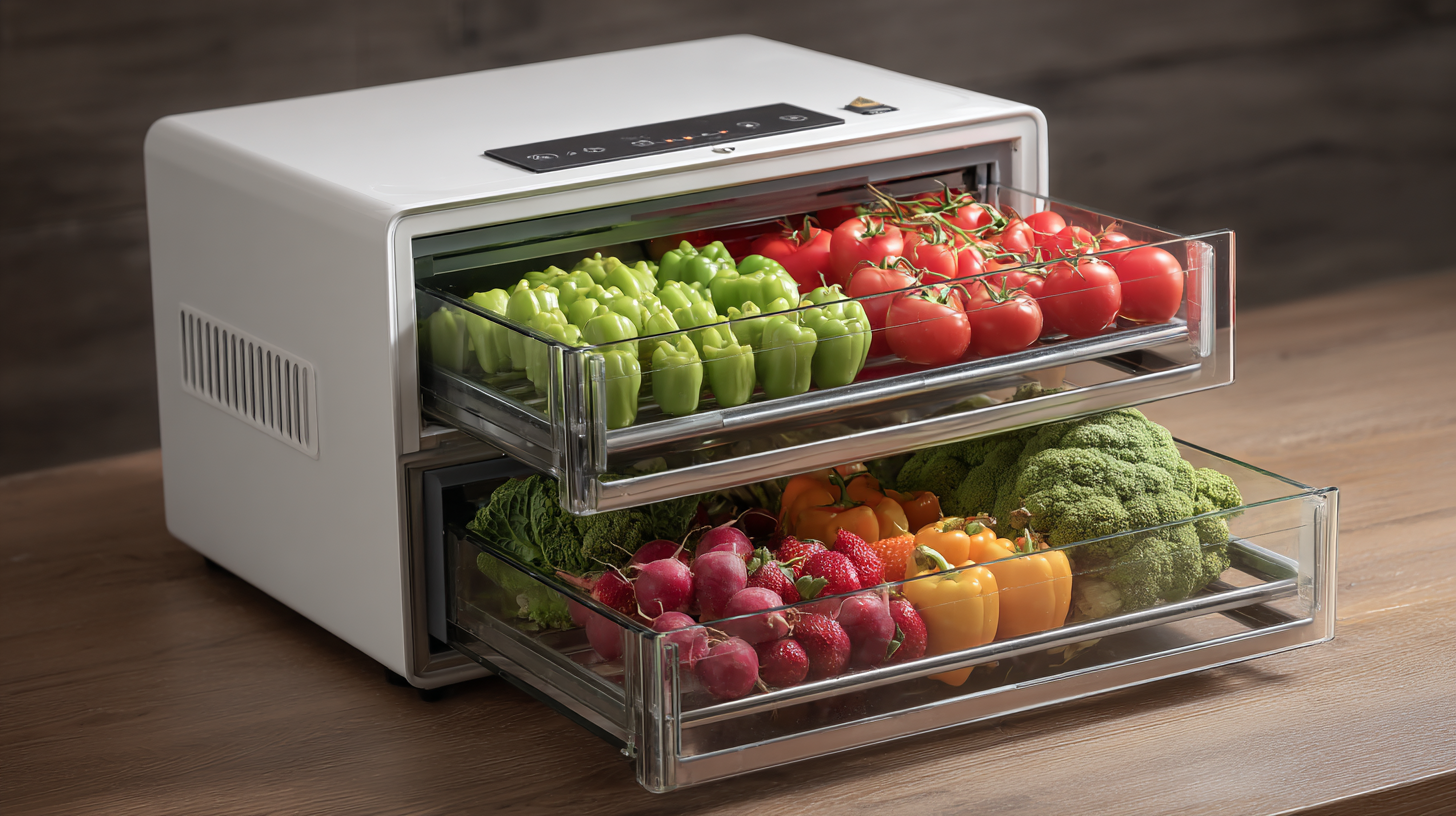
On the other hand, modern preservation technologies, like vegetable air dryers, offer innovative solutions that promise to revolutionize food storage. The latest advancements allow for efficient removal of moisture without compromising the quality and nutritional value of the food. This method not only extends the shelf life of vegetables but also reduces waste, aligning with the growing emphasis on sustainability in food production. As awareness regarding food quality and safety increases, the adoption of modern preservation techniques is likely to rise, potentially changing how we view and interact with our food.
Innovative Features of the Latest Vegetable Air Dryer Models
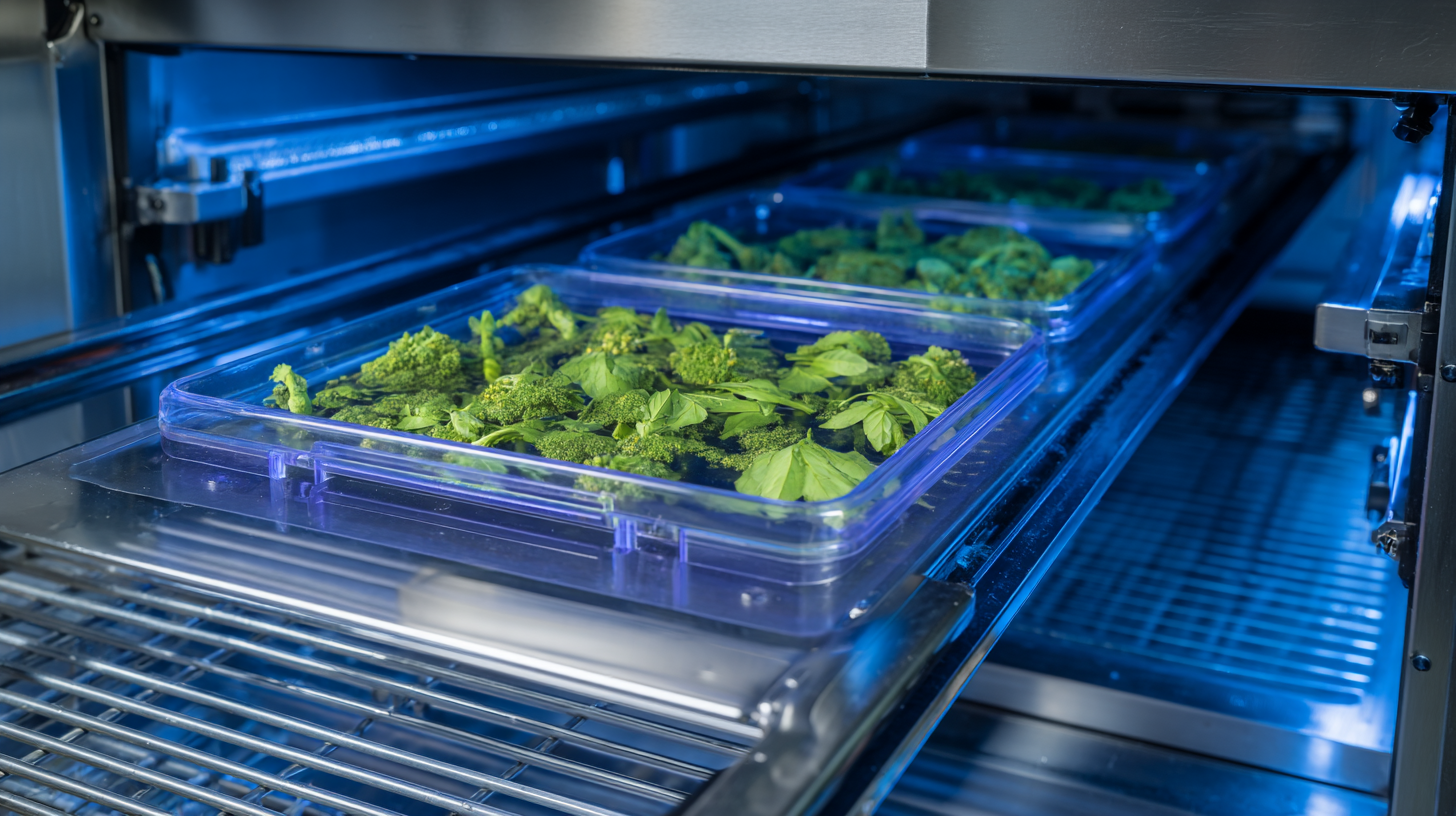
The latest vegetable air dryer models are redefining food preservation with cutting-edge technology that enhances efficiency and quality. These innovative devices utilize advanced air circulation systems that maximize drying speed while retaining the nutrients and flavor of the vegetables. Several models feature adjustable temperature controls, allowing users to customize settings for different types of produce, which is crucial for preserving their unique textures and tastes.
Another remarkable feature is the addition of smart technology, with some air dryers now integrated with smartphone applications. This allows users to monitor and control the drying process remotely, ensuring optimal results without the need for constant supervision. Additionally, many new models are designed with energy efficiency in mind, reducing consumption while providing powerful drying capabilities.
Tips: When using a vegetable air dryer, it’s essential to cut vegetables into uniform sizes for even drying. Always pre-wash produce thoroughly to remove any dirt or residues, and consider seasoning or marinating for enhanced flavor before drying. Regular maintenance of the dryer, such as cleaning filters and checking air ducts, will ensure optimal performance and longevity of your appliance.
Future Trends in Food Preservation Technology and Consumer Impact
The advancement of food preservation technology is set to significantly impact consumer behavior and expectations. Among these innovations, vegetable air dryer technology stands out as a revolutionary method for extending the shelf life of fresh produce without compromising quality or flavor. By reducing moisture content quickly and efficiently, this technology not only helps in maintaining the nutritional aspects of vegetables but also caters to the growing demand for convenient and healthy food options. As sustainability continues to drive consumer choices, methods such as air drying align with eco-friendly practices, appealing to environmentally conscious shoppers.
**Tip:** Always consider the packaging used for air-dried vegetables, as it can further influence the product's longevity. Opt for materials that offer moisture barriers and UV protection to enhance shelf life.
Additionally, trends in high-pressure processing (HPP) are gaining traction in the food industry due to increasing consumer focus on food safety and quality. This method utilizes high pressure to eliminate pathogens while preserving the food's natural nutrients and flavors, appealing to health-conscious consumers. As the market for HPP food products is projected to grow significantly by 2032, those in the industry must adapt to the evolving expectations surrounding cleanliness and product integrity.
**Tip:** When selecting HPP products, look for transparent labeling that indicates sourcing and processing methods, which can help you make informed choices about the foods you consume.
Revolutionizing Food Preservation with the Latest Vegetable Air Dryer Technology - Future Trends in Food Preservation Technology and Consumer Impact
| Technology Type |
Process Efficiency (%) |
Nutrient Retention (%) |
Energy Consumption (kWh/kg) |
Consumer Acceptance (%) |
| Traditional Air Drying |
70 |
60 |
3.5 |
62 |
| Freeze Drying |
85 |
90 |
5 |
75 |
| Vacuum Drying |
80 |
85 |
4.2 |
70 |
| Infrared Drying |
75 |
75 |
2.8 |
68 |
| Microwave Drying |
90 |
80 |
3.0 |
80 |