Why Choose a Mini Split Heat Pump for Your Home Heating and Cooling Needs
In recent years, the popularity of Mini Split Heat Pumps has surged as homeowners increasingly seek efficient and versatile solutions for their heating and cooling needs. According to the U.S. Department of Energy, these systems can provide up to 30% energy savings compared to traditional HVAC units, making them not only an environmentally friendly choice but also a financially sensible one. Mini Split Heat Pumps are designed to operate quietly and provide both heating and cooling from a single, compact unit, which is particularly appealing in regions with extreme weather fluctuations.
Moreover, the global mini-split systems market is projected to grow significantly, with a report from Grand View Research estimating the market size to reach $8.8 billion by 2025. This growth can be attributed to the increasing consumer preference for energy-efficient home appliances and the substantial advancement in technology that promotes better performance and easier installation. As homeowners become more aware of these systems' benefits, the trend toward mini split heat pumps is likely to continue, offering a compelling alternative for anyone looking to enhance their home's comfort and energy efficiency.
Benefits of Mini Split Heat Pumps for Home Comfort
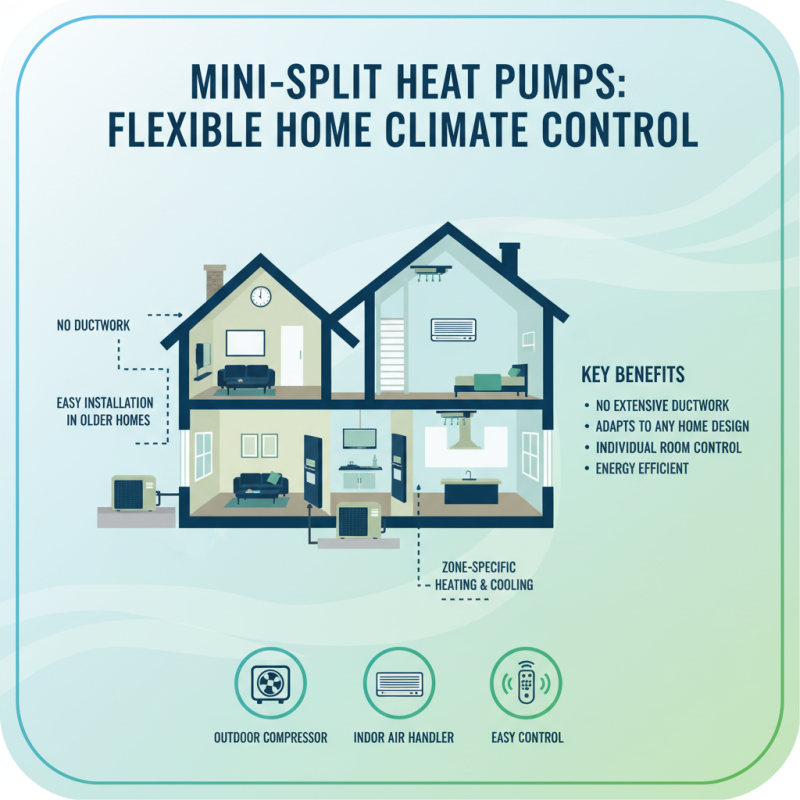
Mini split heat pumps have emerged as a popular choice for homeowners seeking efficient heating and cooling solutions. One of the primary benefits of these systems is their versatility in temperature control. Unlike conventional HVAC systems that can lead to uneven heating or cooling across different rooms, mini splits allow for zoned temperature management. This means that each area of your home can maintain its preferred climate, enhancing overall comfort for all occupants.
Another significant advantage of mini split heat pumps is their energy efficiency. These systems utilize advanced technology to transfer heat rather than generating it, which can lead to lower energy bills. With the ability to operate without ductwork, mini splits also avoid the energy losses commonly associated with air ducts. Additionally, many models are equipped with inverter technology, further optimizing energy consumption by adjusting the compressor's speed to meet actual heating and cooling demands. This not only reduces environmental impact but also contributes to long-term savings for homeowners.
Benefits of Mini Split Heat Pumps for Home Comfort
Cost-Effectiveness of Mini Split Systems Compared to Traditional Heating
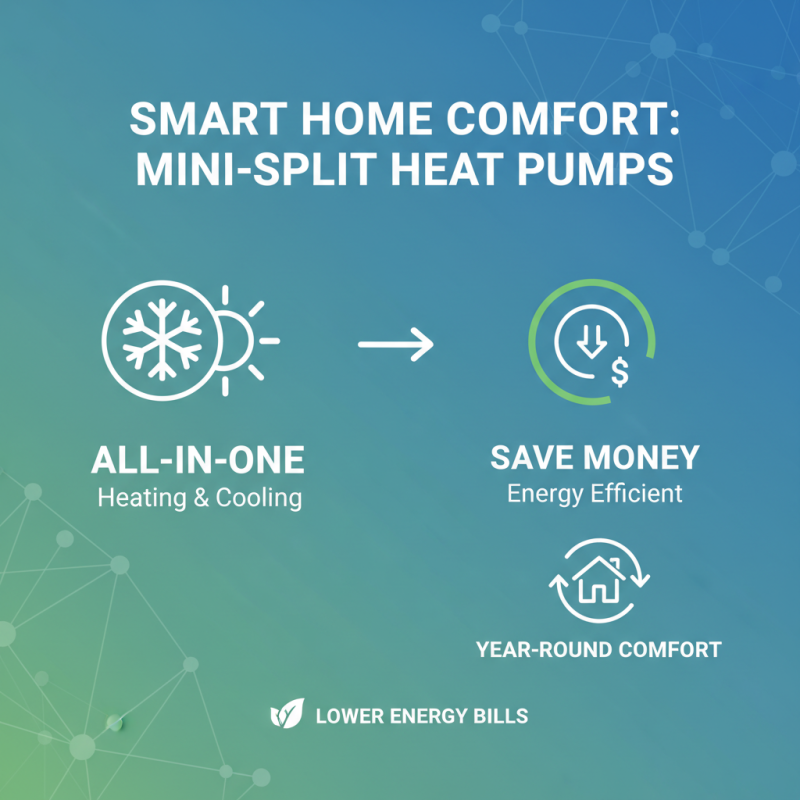
When considering heating and cooling solutions for your home, the cost-effectiveness of mini split heat pump systems is a significant advantage over traditional heating methods. Mini splits offer both heating and cooling capabilities, allowing homeowners to enjoy year-round comfort without the need for separate systems. The efficient operation of mini splits often leads to lower energy bills, as they use less energy to heat or cool a space compared to conventional systems.
Tip: To maximize savings, consider installing mini splits in specific zones of your home. This targeted approach reduces energy consumption by only heating or cooling the areas that you use most frequently.
Moreover, the initial investment in a mini split system can be recouped over time through energy savings and reduced maintenance costs. Traditional heating systems often require regular upkeep and can be prone to costly repairs. In contrast, mini splits are generally easier to maintain, and their longevity adds further financial benefits for homeowners looking to improve their home’s efficiency.
Tip: Be sure to consult with a professional HVAC technician to assess your home’s needs and determine the most efficient mini split system for your specific layout and requirements.
Energy Efficiency Ratings and Their Importance in Home Heating Solutions
When considering a mini split heat pump for your home heating and cooling needs, energy efficiency ratings play a pivotal role in selecting the right system. According to the U.S. Department of Energy, mini split systems can provide significant energy savings, often achieving Energy Efficiency Ratio (EER) ratings of up to 12 or higher. This translates to reduced electricity bills and less strain on your heating and cooling systems, which is particularly important in regions with extreme weather.
One of the key advantages of mini split heat pumps is their ability to deliver precise temperature control while consuming less energy. The Seasonal Energy Efficiency Ratio (SEER) and Heating Seasonal Performance Factor (HSPF) ratings can vary widely among models, so it is crucial to choose a unit with a SEER greater than 16 and HSPF of 9 or higher for optimal performance. This ensures that you are investing in a system that not only enhances comfort but also minimizes environmental impact.
Tips: Always check for ENERGY STAR® certification when choosing a mini split heat pump, as these units have been independently verified to meet rigorous efficiency standards. Additionally, consider having your system professionally installed to maximize efficiency and extend the lifespan of your heating and cooling solution. Regular maintenance can also help keep your system running at peak performance and ensure it retains its energy efficiency over time.
Why Choose a Mini Split Heat Pump for Your Home Heating and Cooling Needs
| Feature |
Description |
Energy Efficiency Rating (SEER, HSPF) |
Estimated Annual Savings |
| Cooling Capacity |
Provides efficient cooling for residential spaces |
SEER 16 |
$300 |
| Heating Capacity |
Effective heating in cold climates |
HSPF 9 |
$250 |
| Zoning Capability |
Allows control of temperatures in different areas |
N/A |
N/A |
| Installation Flexibility |
Can be installed in various configurations |
N/A |
N/A |
| Maintenance Requirements |
Low maintenance with easy filter access |
N/A |
N/A |
Installation Flexibility: How Mini Splits Adapt to Your Home's Design
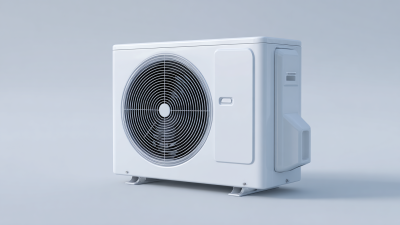
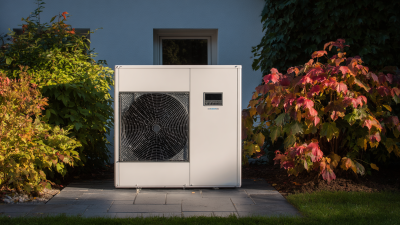
Mini split heat pumps offer exceptional installation flexibility, making them an ideal choice for varying home designs. Unlike traditional HVAC systems that require extensive ductwork, mini splits consist of an outdoor compressor unit and one or more indoor air-handling units. This compact design allows homeowners to easily install units in different spaces without the need for major renovations. Whether you have an older home without existing ducts or a modern layout that requires specific climate control in different zones, mini splits can seamlessly adapt to your space.
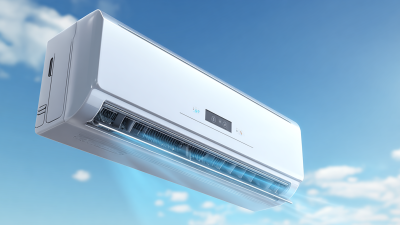
Another advantage of mini split systems is their ability to be mounted in various ways. Options include wall-mounted, ceiling-mounted, or even floor-standing units, enabling homeowners to select positions that best suit their decor and heating or cooling needs. This versatility extends to multi-zone systems, which can efficiently cool or heat multiple rooms with separate controls, ensuring personalized comfort for every member of the household. As a result, mini split heat pumps can be customized to match the unique architectural features of your home while delivering efficient and effective climate control.
Environmental Impact and Sustainability of Heat Pump Technology
The environmental impact of heating and cooling systems is increasingly under scrutiny, and
mini split heat pumps emerge as a sustainable choice.
According to the U.S. Department of Energy, heat pumps can reduce
greenhouse gas emissions by up to
50% compared to traditional heating systems. This reduction is particularly
significant when the heat pumps are powered by renewable energy sources, amplifying their
eco-friendly potential. As energy efficiency is a growing concern, the efficiency ratings of
mini split systems often reach up to 22 SEER
(Seasonal Energy Efficiency Ratio), indicating that they consume significantly less energy
while providing heating and cooling.
Moreover, the life cycle of mini split heat pumps is designed with sustainability in mind.
Research by the International Energy Agency
highlights that shifting to heat pump technology can potentially reduce global carbon emissions
by more than 30 gigatons per year by 2050. These
systems also eliminate the need for fossil fuel combustion for heating, directly lowering
harmful emissions and promoting a healthier indoor environment.
With the growing trend towards sustainability, investing in a mini
split heat pump not only addresses immediate home comfort needs but also supports
broader environmental goals.