Maximize Your Harvest Efficiency with the Best Rice Dryer Technologies Available Today
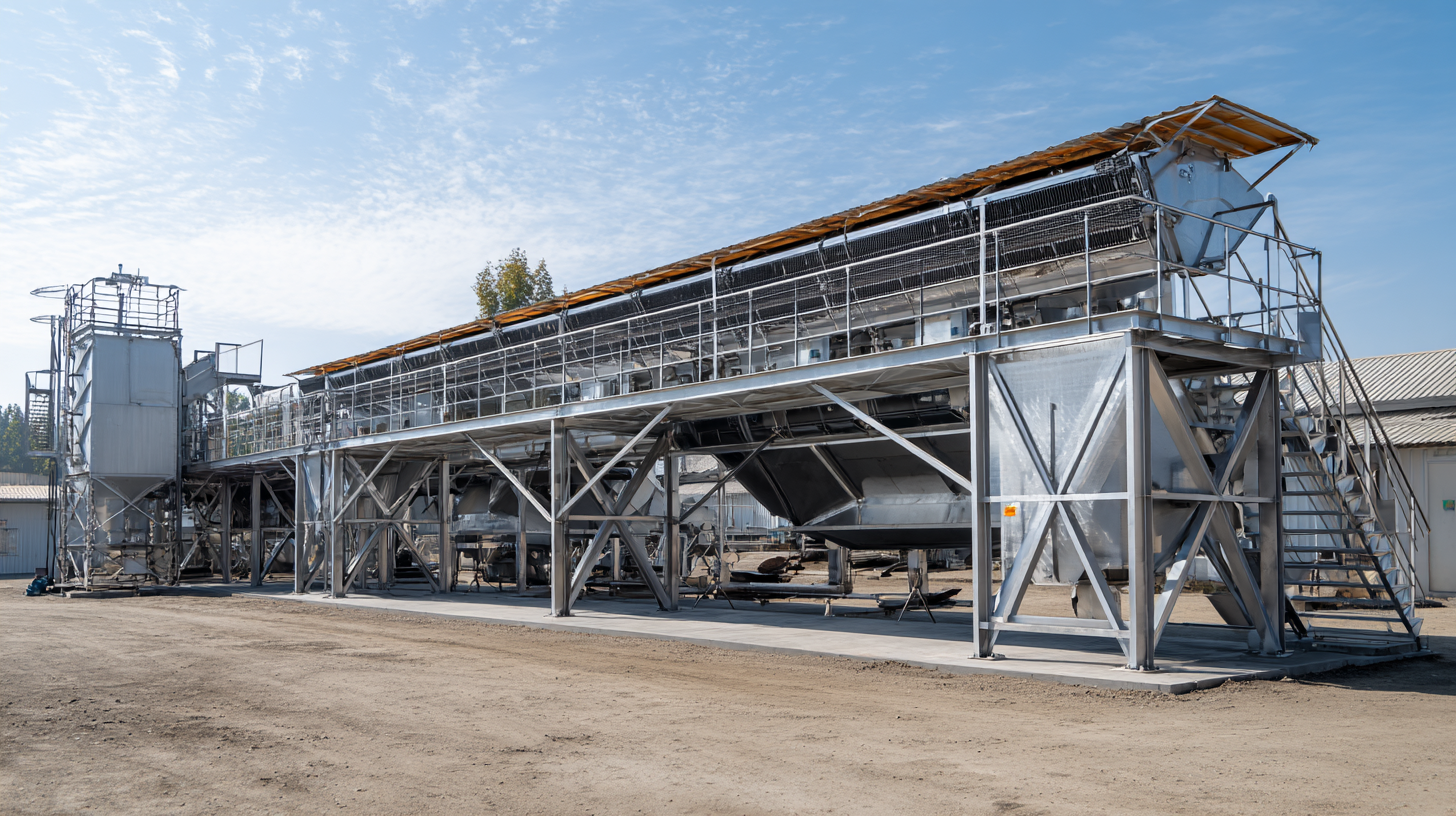
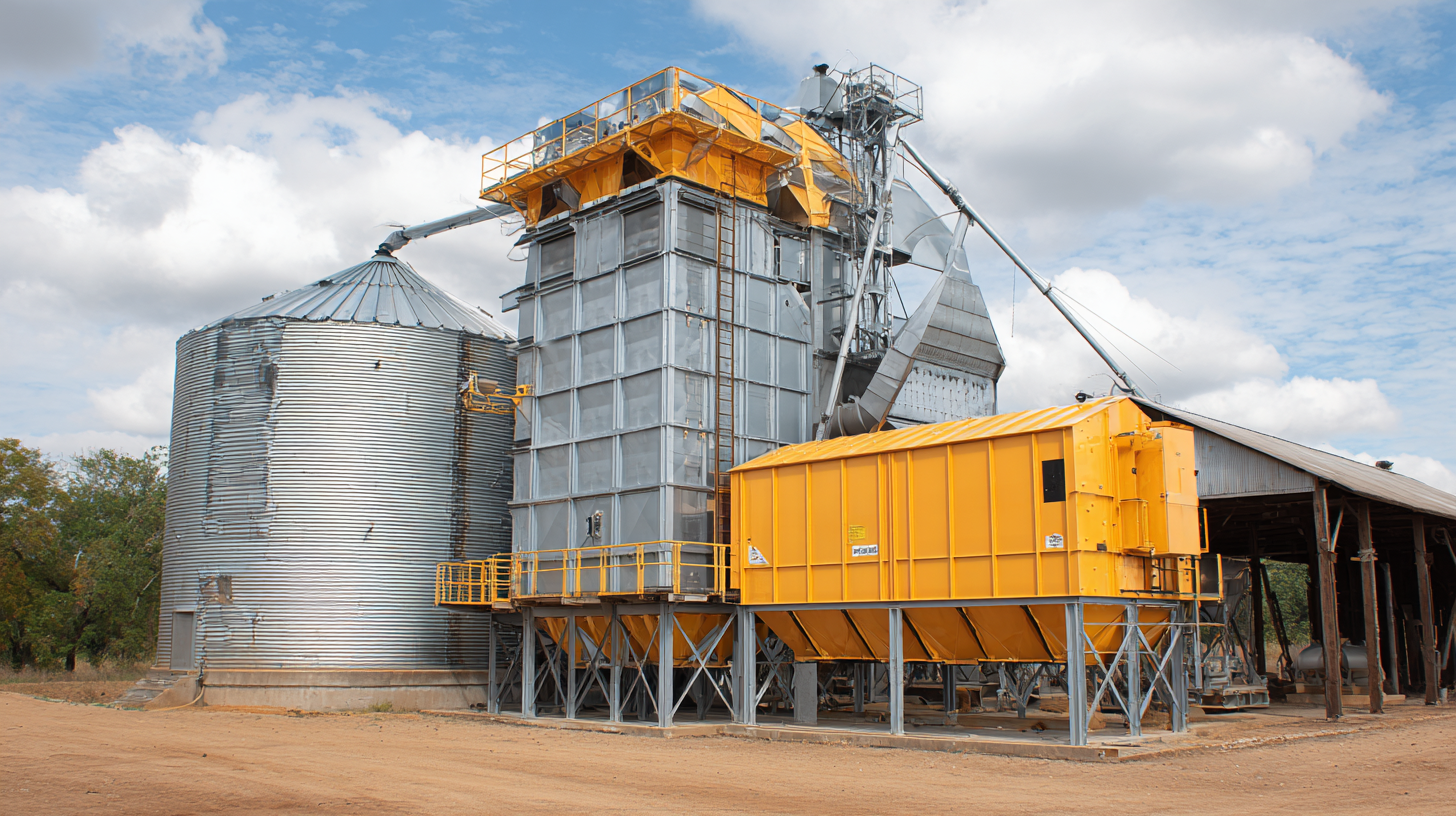
In the pursuit of maximizing agricultural productivity, the importance of effective post-harvest technologies cannot be overstated. Among these, the rice dryer stands out as a crucial component in ensuring optimal grain quality and minimizing losses. According to a recent report by the Food and Agriculture Organization (FAO), improper drying can lead to a staggering 30% reduction in the quality of rice, making the selection of the right rice dryer technology imperative for modern farmers. Moreover, advancements in drying technology have shown that energy-efficient dryers can reduce operational costs by up to 40%, providing significant financial benefits while enhancing output quality. As the global demand for rice continues to rise, leveraging the best rice dryer technologies available today is essential for farmers aiming to improve their harvest efficiency and grain integrity.
Innovative Features of Modern Rice Dryers for Optimal Harvesting
Modern rice dryer technologies have seen significant advancements that optimize the efficiency of your harvest. These innovative features not only improve drying processes but also help maintain the quality of the rice. With state-of-the-art temperature control systems, farmers can ensure uniform drying, preventing grain damage and reducing overall energy consumption. Additionally, sensors and automation technologies allow for real-time monitoring and adjustment, making it easier to achieve desired moisture levels.
When using a modern rice dryer, consider the following tips for maximum efficiency: First, ensure that the dryer is properly calibrated according to the type of rice and local climate conditions. This will promote optimal drying rates and preserve grain quality. Second, schedule drying during periods of low humidity to enhance drying performance and reduce energy costs. Lastly, regularly maintain the equipment to prevent breakdowns and ensure long-term reliability, which is crucial during peak harvest times.
The integration of these advanced technologies in rice drying not only supports better harvest outcomes but also contributes to sustainable farming practices. Embracing these innovations enables farmers to respond effectively to market demands while maintaining the integrity of their produce.
Maximize Your Harvest Efficiency with the Best Rice Dryer Technologies Available Today
| Feature |
Description |
Efficiency Gain |
Drying Capacity (tons/h) |
Energy Consumption (kWh/ton) |
| Heat Recovery System |
Utilizes waste heat from exhaust to preheat incoming rice |
30% reduction in energy use |
5 |
30 |
| Programmable Controls |
Allows precise control over drying conditions |
Increases drying quality and reduces loss |
4 |
25 |
| Low-Temperature Drying |
Uses lower temperature for gentle drying |
Reduces grain breakage |
3.5 |
20 |
| Automatic Moisture Control |
Sensors monitor moisture content in real-time |
Enhances drying accuracy |
6 |
28 |
Comparative Analysis of Leading Dryer Technologies for Rice Cultivation
In the quest for maximizing harvest efficiency in rice cultivation, the choice of drying technology plays a pivotal role. A comparative analysis of leading dryer technologies reveals distinct advantages for farmers looking to improve their post-harvest processing. The recent assessment of hybrid solar dryers has highlighted their effectiveness in reducing drying time and preserving grain quality. These systems utilize renewable energy sources, making them a sustainable option suitable for regions with abundant sunlight.
Tips: When selecting a dryer technology, consider the climate conditions of your area. In sunny regions, hybrid solar dryers may offer the best performance. Additionally, integrating photovoltaic systems can enhance energy efficiency.
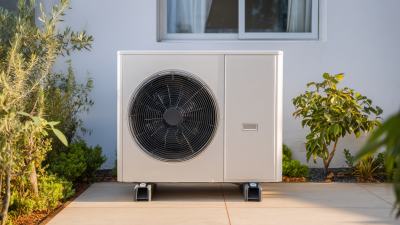
Furthermore, traditional methods are being evaluated against modern technologies like microwave and heat pump dryers. These approaches are especially relevant for understanding how to optimize drying conditions to reduce energy consumption while maintaining grain integrity. Recent studies indicate that advancements in drying techniques, such as the use of adaptive neuro-fuzzy inference systems, can significantly boost the performance of various drying methods.
Tips: Implement monitoring systems to track humidity and temperature during drying to ensure optimal conditions. Experimenting with different drying technologies can uncover new efficiencies and improve overall yield quality.
Energy Efficiency and Cost-Effectiveness in Advanced Rice Drying Solutions
In today's agricultural landscape, maximizing harvest efficiency is crucial for rice producers. Advanced rice dryer technologies not only enhance the drying process but also significantly improve energy efficiency and cost-effectiveness. High-quality dryers are designed to minimize energy consumption while optimizing the drying time, leading to better grain quality and reduced losses.
Tips: When selecting a rice dryer, consider investing in machines equipped with moisture sensors, which automatically adjust drying cycles based on moisture content. This feature not only saves energy but also ensures that the rice is dried to the ideal level, maintaining quality and preventing spoilage.
Moreover, explore options for renewable energy sources, such as solar-assisted drying systems. These innovative solutions can drastically lower operational costs while contributing to sustainable farming practices. By adopting the latest drying technologies, rice producers can significantly enhance their profitability and contribute to environmentally friendly agriculture.
Maximize Your Harvest Efficiency with the Best Rice Dryer Technologies Available Today
Automation and Smart Technology in Rice Drying Processes
In today's competitive rice production landscape, automation and smart technology have revolutionized the drying process, significantly boosting efficiency and minimizing post-harvest losses. Advanced rice dryer technologies employ sensors and automated systems that monitor moisture levels in real-time. This precise control helps ensure that rice is dried optimally, reducing the risk of spoilage while enhancing the overall quality of the grain.
Moreover, integrating IoT (Internet of Things) capabilities into rice drying systems allows farmers to remotely track and manage drying operations. With data analytics, users can gain insights into performance patterns and make informed decisions that maximize throughput and minimize energy consumption. Such innovations not only streamline the drying process but also contribute to sustainable farming practices by minimizing waste and ensuring uniformity in product quality.
As rice producers seek to meet increasing global demand, leveraging these advanced technologies becomes essential for maximizing harvest efficiency.
User Reviews: Real-World Performance of Top Rice Dryer Models
When choosing a rice dryer, user reviews provide invaluable insights into real-world performance. Many farmers have shared their experiences with top models, highlighting aspects such as drying time, energy efficiency, and ease of maintenance. For instance, the latest technologies integrate advanced moisture sensors that minimize human error, ensuring that rice is dried to optimal levels without compromising quality.
Tips: When researching, look for models that offer adjustable settings for different rice varieties. This customization can enhance drying effectiveness and preserve grain quality. Additionally, consider user ratings that focus on energy consumption—efficient dryers can significantly reduce operational costs in the long run.
Farmers frequently emphasize the importance of customer support and service availability for their chosen rice dryer brands. Proactively reading through reviews can help identify manufacturers known for responsive customer service, ensuring that any issues can be resolved quickly to minimize downtime.