What is a Fruit Dehydrator Machine and How Does It Work?
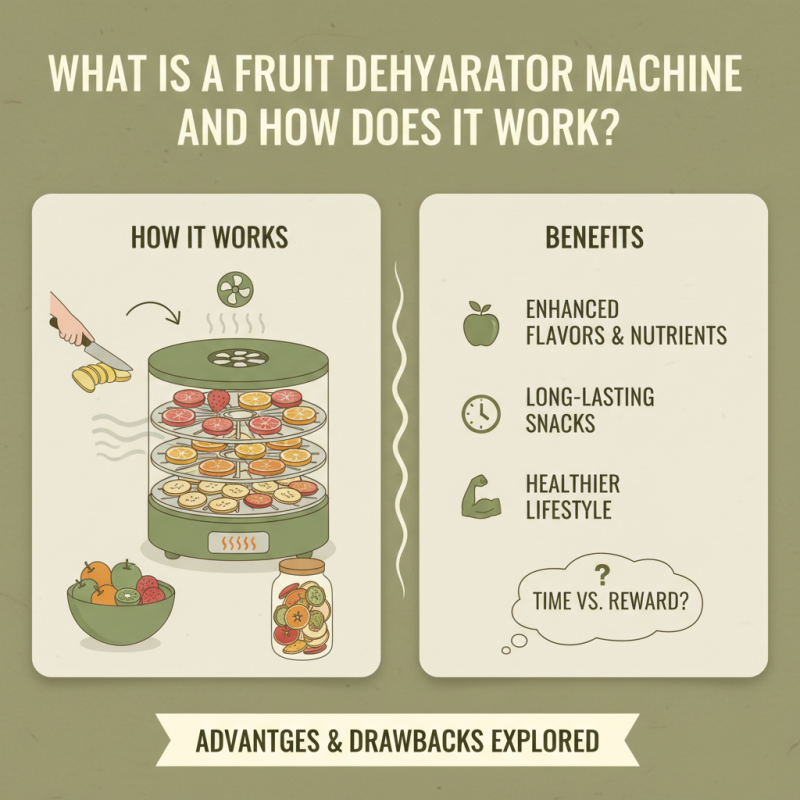
A Fruit Dehydrator Machine is a powerful tool for those who love fresh fruit. It removes moisture to create long-lasting snacks. This process enhances flavors and preserves essential nutrients. Many people find this method both practical and enjoyable.
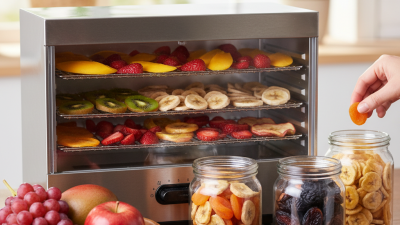
The operation of a fruit dehydrator machine is straightforward. It uses heat and airflow to evaporate water content. Users can prepare their favorite fruits, slice them, and set them in the machine. The aroma of drying fruit fills the air, reminding us of the joys of homemade snacks. With various models available, finding the right one can be a challenge.
Understanding the benefits of using a fruit dehydrator machine helps in making informed decisions. It promotes a healthier lifestyle by providing nutritious options. However, one can question whether the time invested is worth it. As we explore this topic, we will discuss both the advantages and potential drawbacks. This ensures a well-rounded view of fruit dehydration.
What is a Fruit Dehydrator Machine?
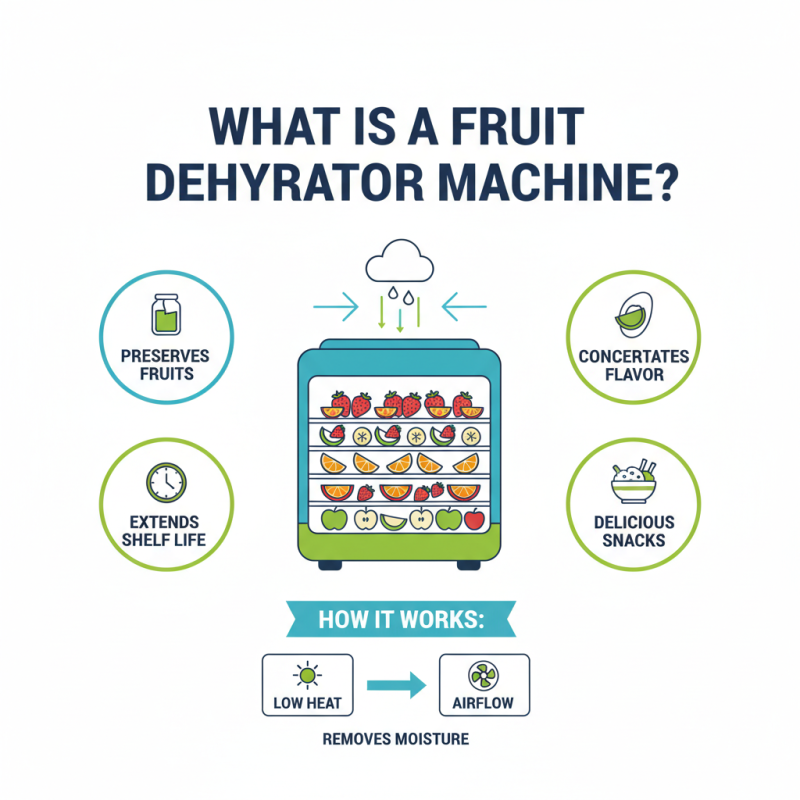
A fruit dehydrator machine is a handy appliance for those who enjoy preserving fruits. It removes moisture from fresh fruits, extending their shelf life. This process concentrates the flavors, creating delicious snacks. The machine typically uses low heat and airflow to facilitate dehydration.
Using a fruit dehydrator is simple. Cut the fruits into consistent slices to ensure even drying. Place them on trays and set the desired temperature. Different fruits require different settings. Apples may take 6-8 hours, while bananas could take a bit longer. It's essential to check the progress periodically.
While a fruit dehydrator can be effective, it’s not foolproof. Sometimes, fruits may not dry evenly, leading to some soggy spots. This can occur if the slices are too thick. Keeping an eye and adjusting as necessary is crucial. Experimenting with times and temperatures can yield better results.
The Science Behind Dehydration: How It Works
Dehydration is a fascinating process rooted in science. Essentially, it removes moisture from fruits while preserving nutrients and flavor. A fruit dehydrator machine uses heat and airflow to achieve this. The target temperature usually ranges from 125°F to 135°F (52°C to 57°C). This range effectively eliminates water while retaining better colors and vitamins.
The effectiveness of dehydration relies on several factors, such as fruit type and thickness. For instance, apples and bananas have varying moisture contents. According to a report by the Food and Agriculture Organization, dehydrated fruits can retain up to 75% of their original vitamins when done correctly. However, improper dehydration can lead to a loss of nutritional value. Ensuring uniform slices is important for consistent results.
Airflow is a crucial element. Dehydrators are designed to circulate hot air, reducing moisture effectively. While this process sounds efficient, the actual outcome can differ based on the environment. Humidity levels and temperature fluctuations can affect dehydration times. Experimenting with different fruits may reveal unexpected results. Some fruits can require more effort to achieve optimal dryness, which can be frustrating for beginners. The science behind dehydration is simple, yet mastery takes time and practice.
Fruit Dehydrator Efficiency: Energy Consumption vs. Output
This chart illustrates the energy consumption (in kWh) of various fruit dehydrator machines compared to the amount of dried fruit output (in kg) they produce. The data shows how different models balance energy efficiency and production capacity.
Key Components of a Fruit Dehydrator Machine
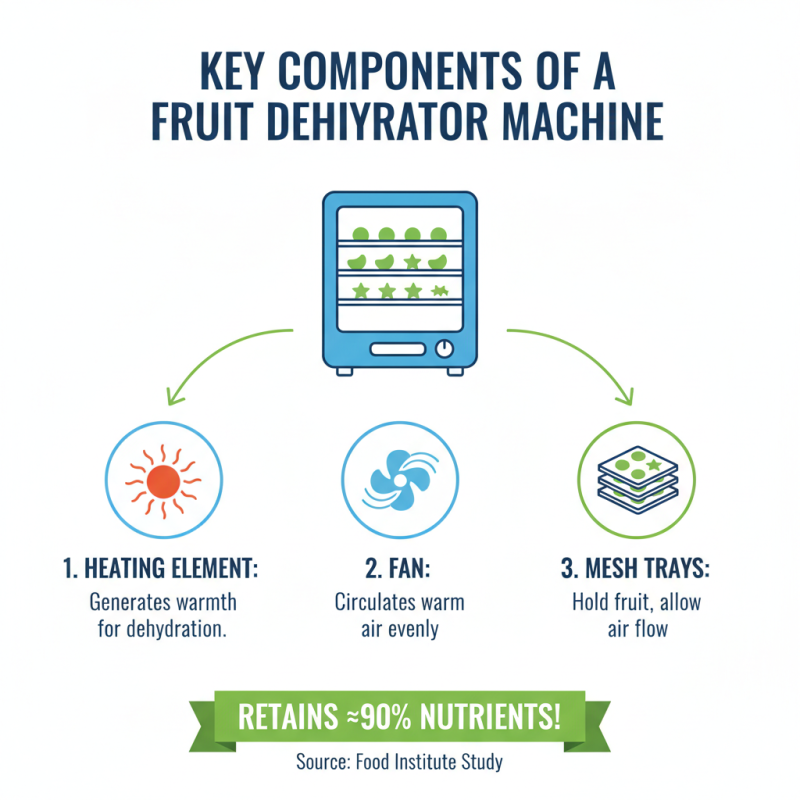
A fruit dehydrator machine is an innovative appliance designed to remove moisture from fruits, preserving their flavor and nutrients. The key components of this machine include a heating element, a fan, and mesh trays. The heating element generates warmth, essential for the dehydration process. A study by the Food Institute indicates that dried fruits retain about 90% of their original nutrients, making them a popular choice for health-conscious consumers.
The fan plays a critical role by circulating warm air evenly across the trays. This ensures that the fruits dry uniformly, preventing any soggy spots. Most dehydrators come with adjustable temperature settings, allowing users to tailor the heat according to the type of fruit. For instance, apples typically require lower temperatures than bananas. Proper airflow is crucial; without it, dehydration can become inconsistent.
Tips: When using a fruit dehydrator, cut fruits evenly for effective drying. Make sure to check moisture levels periodically. Store dried fruits in airtight containers to extend shelf life. However, not every fruit dehydrates well. Some fruits may lose their flavor or texture during the process. It's important to experiment and find the right balance for what suits your taste preferences.
Benefits of Using a Fruit Dehydrator for Food Preservation
Using a fruit dehydrator machine offers several benefits for food preservation. Dehydration is an age-old method that removes moisture from fruits, extending their shelf life. Research shows that dried fruits retain most of their nutrients, making them a healthy snack option. One study indicated that dried apples could maintain around 85% of their original vitamin content. This contrasts with canned fruits, which may lose more nutrients during processing.
Additionally, a fruit dehydrator is energy-efficient. It typically consumes less energy compared to an oven. Using a dehydrator can save about 50% of the energy needed to dry fruits with traditional methods. Dehydrators also help in reducing food waste. According to the USDA, around 30-40% of the food supply is wasted, much of it being fresh produce. By drying fruits at home, you can use surplus fruits and minimize waste.
Moreover, dried fruits make versatile ingredients for various recipes. They can be used in granola, trail mixes, or simply as healthy snacks. However, it's essential to monitor the drying process. Over-drying can lead to loss of flavor and texture. Finding the right balance is crucial for optimal results. Using a dehydrator can be rewarding, yet it requires practice to perfect the art of dehydration.
What is a Fruit Dehydrator Machine and How Does It Work? - Benefits of Using a Fruit Dehydrator for Food Preservation
| Feature |
Description |
Benefits |
| Temperature Control |
Maintains optimal heat settings for even drying |
Prevents over-drying and preserves nutritional value |
| Airflow Circulation |
Utilizes fans to ensure consistent airflow around food |
Enhances drying efficiency and uniformity |
| Multi-Tier Racks |
Maximizes drying space by stacking trays |
Enables drying multiple batches simultaneously |
| Energy Efficiency |
Designed to consume less power than traditional ovens |
Saves electricity costs while preserving food |
| Versatility |
Can dry a variety of fruits, vegetables, and herbs |
Provides flexibility for food preservation options |
| Nutrient Retention |
Preserves vitamins and minerals during the drying process |
Ensures health benefits remain intact in dried food |
| Long Shelf Life |
Dehydrated food lasts much longer than fresh products |
Reduces food waste and extends availability |
Industry Statistics on the Growth of Home Dehydration Equipment
The market for home dehydration equipment has been growing steadily in recent years. More people are turning to dehydrators to preserve fruits, vegetables, and even meats. The increasing interest in healthy eating drives this trend. Many families are seeking ways to reduce food waste. Dehydrators allow users to create nutritious snacks and meals at home.
According to recent statistics, the home dehydration equipment industry has expanded significantly. Sales have surged by approximately 15% annually. This growth reflects a shift toward home cooking and sustainable food practices. Interestingly, younger generations are more inclined to try dehydrating their foods. They value the convenience and health benefits it can provide. However, the learning curve can be steep. Beginners might struggle with drying times and temperatures.
People often have high expectations when starting their dehydration journey. The results can vary widely based on technique and the type of food. Some users may find certain fruits turn out too chewy or dried unevenly. It’s essential to experiment and refine methods over time. Embracing imperfections can lead to better outcomes in future attempts.