How to Choose the Right Heat Pump Heater for Your Home?
Choosing the right Heat Pump Heater for your home can be daunting. The market offers numerous options, each with unique specifications and features. Over recent years, energy efficiency has gained prominence. According to the U.S. Department of Energy, Heat Pump Heaters can save homeowners up to 50% on heating costs compared to traditional systems.
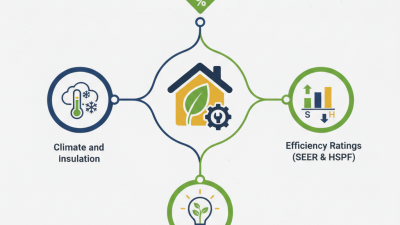
When selecting a Heat Pump Heater, consider climate conditions. In regions with milder winters, air-source heat pumps are suitable. However, colder areas may require ground-source systems for better efficiency. Also, look for models with high SEER and HSPF ratings. These ratings indicate performance and energy savings.
Potential buyers often overlook installation requirements. Proper sizing is crucial; an undersized unit will struggle, leading to increased bills. Additionally, consider noise levels. Some models operate quietly, while others can disturb your peace. Reflecting on these details can lead to better decisions in your investment.
Understanding Heat Pump Heaters: Types and Functions
When considering a heat pump heater, it’s crucial to grasp the different types.
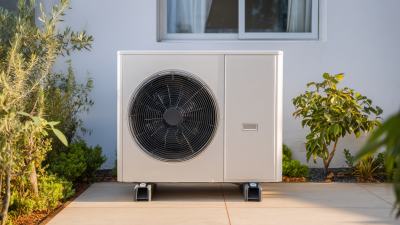
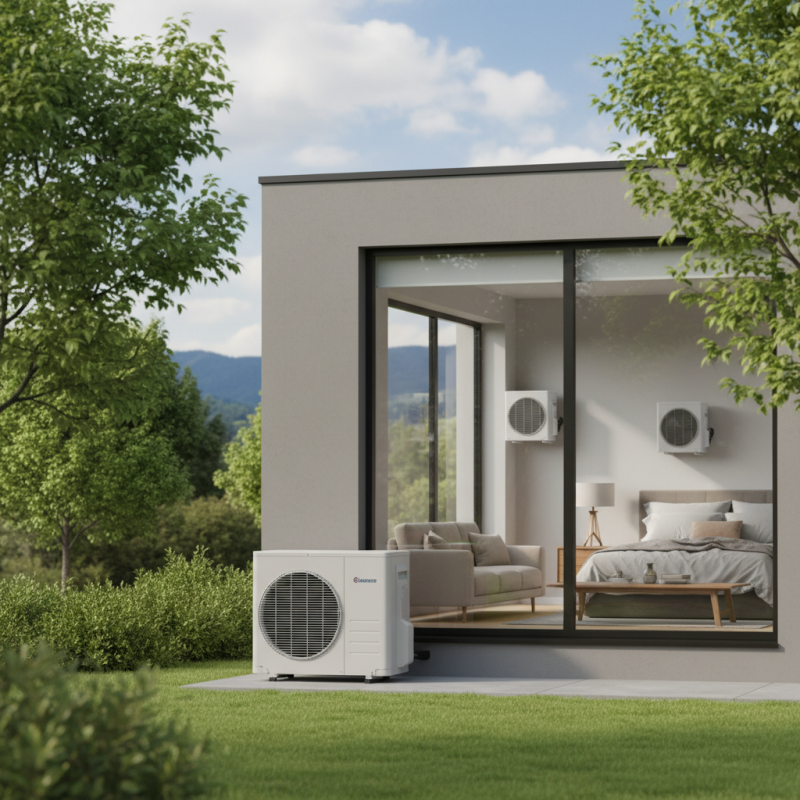
Air-source heat pumps draw heat from outside air. They are versatile and often easier to install.
On the other hand, ground-source heat pumps use the consistent temperature found underground.
This can be more efficient, but installation requires more planning.
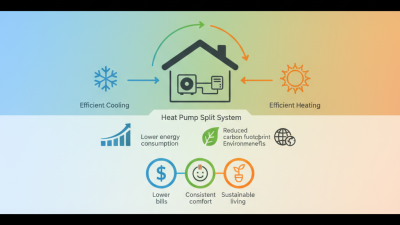
Understanding how these systems work is vital. Heat pumps transfer heat rather than generate it.
They perform well in moderate climates. However, their efficiency drops in extreme weather.
This limitation is something to consider. Also, not all homes have sufficient space for ground-source systems, which may lead to dissatisfaction.
It’s also essential to think about your heating needs. The size of your space impacts performance.
An oversized unit can lead to energy waste. An undersized unit might struggle to keep up.
Balancing these factors requires careful thought. Consider both your budget and environmental impact.
Choosing a heat pump heater is more complex than it seems.
Assessing Your Home's Heating Needs and Requirements
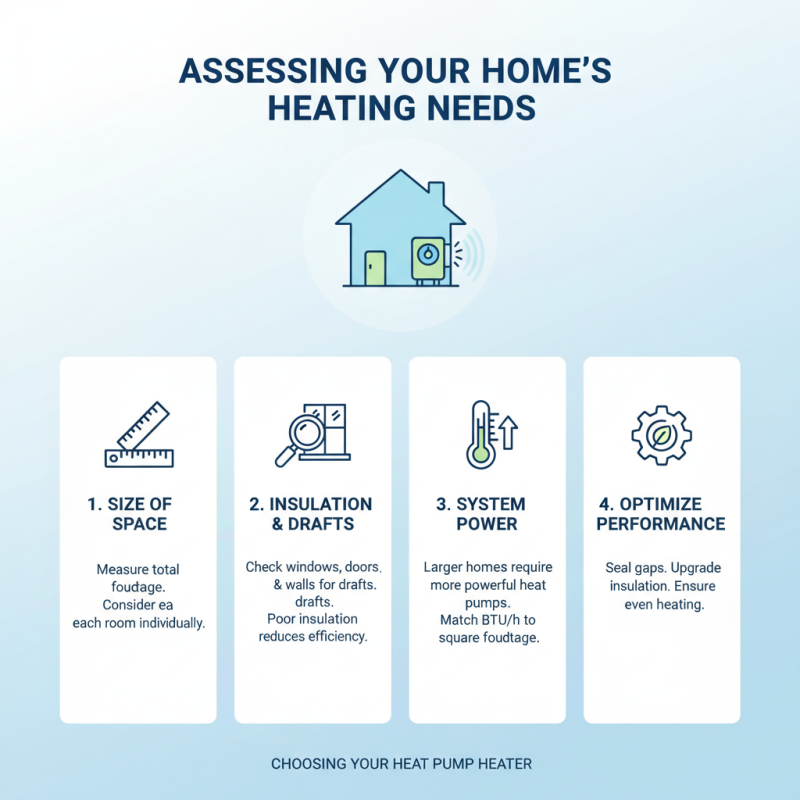
When choosing a heat pump heater, it's essential to assess your home's heating needs. Start by evaluating the size of your space. Larger homes may require more powerful systems. Measure square footage accurately. Each room should be considered to ensure even heating. Poor insulation can affect performance too. Windows and doors play a significant role. If they are drafty, your heat pump might struggle.
Next, consider your climate. Colder regions typically need more robust units. Think about local weather patterns. Higher heating demands may require a dual-source system. This means a backup heater for extra cold days. Factor in energy efficiency ratings. High ratings may cost more but save money long-term. Be mindful of your budget, though. Don’t go for the cheapest option; it might not meet your needs.
Finally, reflect on your lifestyle. Do you have a busy schedule? Automating your heater can save energy. But you may prefer manual control for flexibility. Assess how often you'll use heating. This affects your overall energy consumption. Each detail matters when choosing the right heat pump. It's a complex decision, with many factors to weigh carefully.
Factors to Consider When Choosing a Heat Pump Heater
Choosing the right heat pump heater requires careful consideration. Start by evaluating the size of your home. A unit that is too small will struggle to heat effectively. Conversely, an oversized unit may lead to energy wastage and comfort issues. Measure your space accurately to determine the appropriate heating capacity needed.
Energy efficiency is another crucial factor. Look for models with a high energy efficiency rating. This ensures you save on energy bills year-round. However, sometimes highly efficient models come with a higher initial cost. It’s essential to assess your budget in relation to potential savings.
Consider the climate in your area as well. Heat pump performance can vary based on external temperatures. In colder regions, some models may lose efficiency. Think about backup heating systems if necessary. Installation and maintenance costs should not be overlooked either. It's wise to consult professionals for advice, but remember: not every installation will go as smoothly as planned. Always be prepared for some unexpected challenges.
Energy Efficiency Ratings and Their Impact on Selection
Energy efficiency ratings are crucial when selecting a heat pump heater. These ratings indicate how well a device converts energy into heating. Higher ratings typically mean lower operating costs and improved environmental performance. It’s essential to interpret these ratings properly. Look for models with seasonal energy efficiency ratio (SEER) and heating season performance factor (HSPF) ratings that excel.
Consider your local climate too. In warmer areas, a heat pump with a higher SEER is beneficial. In contrast, colder regions may require a unit with an excellent HSPF. This might seem straightforward, but balancing these factors can be tricky. Relying solely on one rating could lead to mistakes. Take the time to understand how these ratings affect your energy bills.
Pay attention to installation and maintenance aspects as well. An energy-efficient heat pump may lose effectiveness if installed incorrectly. Regular maintenance is also vital. Neglecting this can diminish efficiency. Remember, it’s not just about buying a high-rated unit. Ongoing care can make or break your investment. These choices require careful thought and reflection.
How to Choose the Right Heat Pump Heater for Your Home?
| Model |
Heating Capacity (BTU) |
Energy Efficiency Ratio (EER) |
Seasonal Energy Efficiency Ratio (SEER) |
Heating Seasonal Performance Factor (HSPF) |
Estimated Annual Operating Cost ($) |
| Model A |
24,000 |
12.0 |
15.0 |
8.0 |
600 |
| Model B |
30,000 |
14.5 |
16.5 |
9.0 |
700 |
| Model C |
18,000 |
11.0 |
14.0 |
7.5 |
450 |
| Model D |
36,000 |
15.0 |
18.0 |
10.0 |
800 |
Installation and Maintenance Tips for Optimal Performance
Choosing the right heat pump heater involves more than just the initial purchase. Installation plays a critical role in determining overall efficiency. According to the U.S. Department of Energy, a poorly installed heat pump can lose up to 30% of its efficiency. Therefore, hiring a trained professional ensures that the unit is correctly sized and placed, optimizing energy use.
Regular maintenance is essential for optimal performance. This includes cleaning or replacing filters every one to three months. Failing to do so can lead to decreased airflow, forcing the system to work harder. A study from the National Renewable Energy Laboratory suggests that regular maintenance can improve unit life by up to 20%. Simple tasks like checking the outdoor unit for debris and ensuring clear airflow can significantly impact efficiency.
Consideration of environmental factors is also important. For instance, the location of your heat pump affects its performance. Heat pumps function best when installed in areas with moderate temperatures. Installing in climates with frequent extreme temperatures can make the system work less efficiently. Reflecting on these aspects will guide you in creating a more effective heating solution.
Energy Efficiency Ratings of Heat Pump Heaters
This bar chart illustrates the efficiency ratings (Coefficient of Performance, COP) of different heat pump heater models. A higher COP indicates better energy efficiency, which can lead to lower operational costs and enhanced performance in your home heating system.