How to Choose the Best Heatpump Split System for Your Home?
Choosing the best Heatpump Split system for your home is crucial. Industry expert Dr. Emily Hartman once stated, "A well-chosen system can drastically improve home comfort and energy efficiency." This highlights how essential it is to select the right unit.
Heatpump Split systems offer flexibility and efficiency in managing indoor temperatures. Homeowners often face confusion when deciding between various models and features. Each household has unique needs, and understanding these can feel overwhelming. An ideal choice depends on factors like size, location, and energy costs.
It is important to note that even the best systems have their limitations. Some may find initial costs prohibitive. Others may underestimate the required maintenance. It’s vital to research thoroughly before making a decision. Reflecting on your home’s specific requirements will ultimately lead to a more satisfying result in the long run.
Understanding the Basics of Heat Pump Split Systems
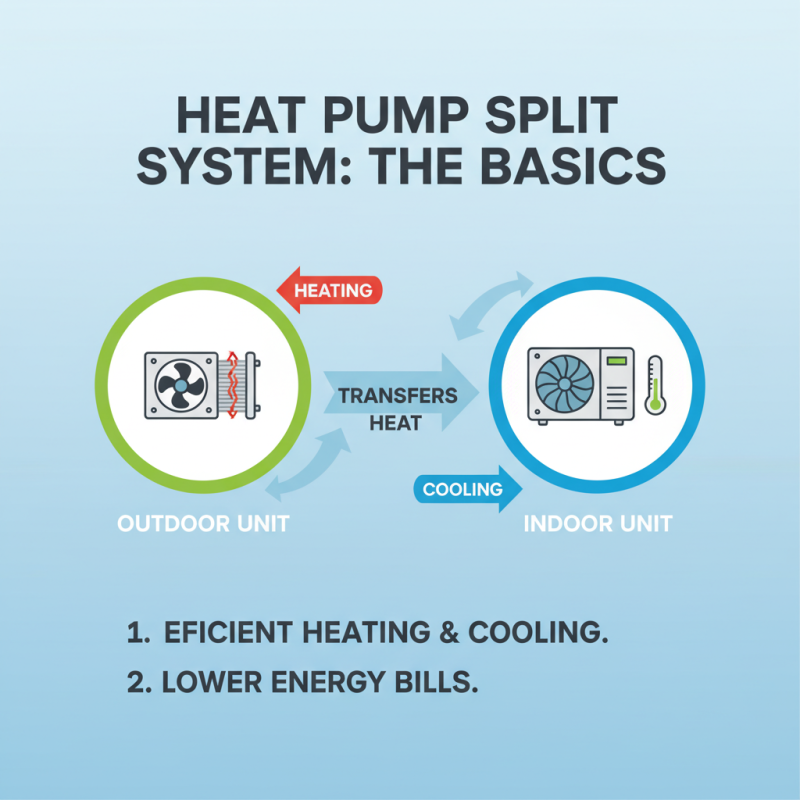
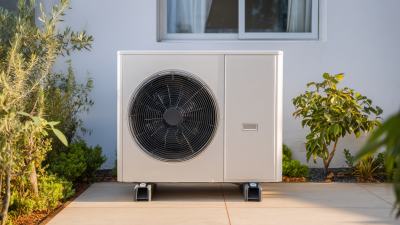
When selecting a heat pump split system, understanding the basics is crucial. A heat pump split system consists of two main parts: an indoor unit and an outdoor unit. The outdoor unit absorbs heat from the air outside and transfers it to the indoor unit. This process can also reverse, providing cooling in warmer months. It’s efficient and can lower energy bills.
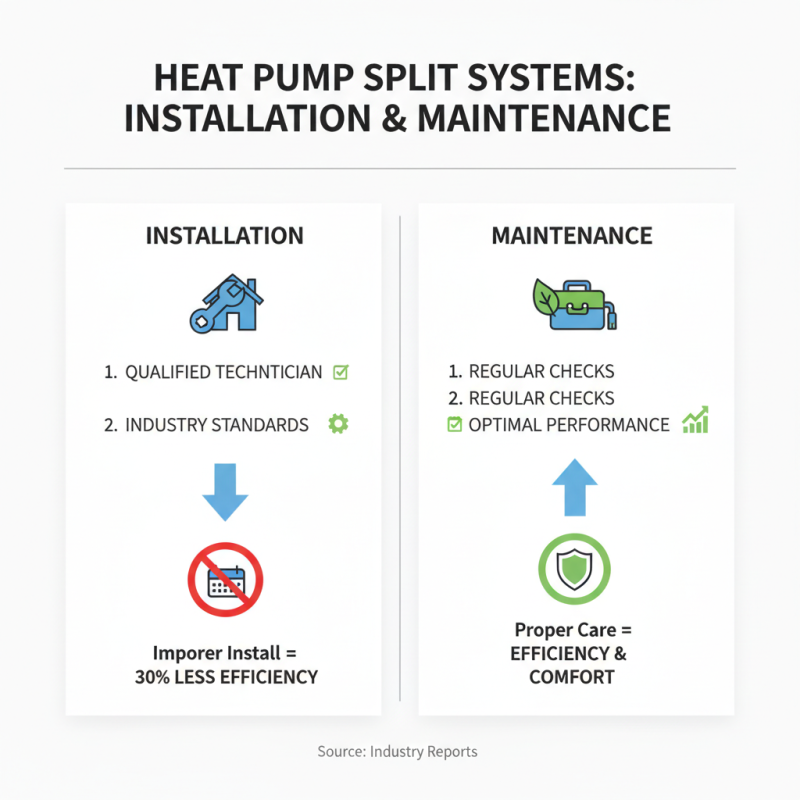
Choosing the right system requires attention to size and efficiency ratings. An oversized unit may cool or heat unevenly. A smaller unit might struggle during extreme weather. Ensuring proper installation is equally important. Poor installation can lead to performance issues. These systems often require regular maintenance, which some homeowners overlook.
Consider the noise levels too. Some units are noisier than others, which can be a disruption. A personal reflection: It's essential to balance cost with comfort. Think about long-term comfort versus short-term savings. Making a well-informed choice will ensure you're happy with your system for years.
Evaluating Your Home's Heating and Cooling Needs
When evaluating your home's heating and cooling needs, consider how much space you need to cover. An average home requires approximately 20 BTUs per square foot. This means that a 2,000 square foot home needs around 40,000 BTUs. However, factors like insulation and local climate also play a crucial role.
Tips: Assess your insulation quality. If it's lacking, outdoor temperatures can significantly impact your energy needs.
Next, think about your household's occupancy patterns. A family of four, for instance, might require more efficient heating and cooling. Usage varies widely based on lifestyle, so identify peak times when your system will be working hardest. Also, reflect on energy efficiency; systems with a high SEER rating can save you money over time.
Tips: Utilize programmable thermostats. These can automatically adjust temperatures based on your schedule.
Remember, not all spaces are created equal. Open floor plans can distribute air differently than closed-off rooms. Evaluate room sizes to ensure proper air flow. Consider consulting with a HVAC professional to get a tailored plan for your home’s unique layout and needs.
Comparing Different Types of Heat Pump Split Systems
When choosing a heat pump split system, it's crucial to understand the different types available. Air-source heat pumps are the most common. They extract heat from the outside air. According to the U.S. Department of Energy, these systems can reduce energy costs by up to 50% compared to traditional heating methods. Ground-source or geothermal heat pumps are highly efficient. They utilize the stable temperature of the earth. Their upfront cost can be high, but they often pay off in the long run.
Tips: Look for systems with a high Seasonal Energy Efficiency Ratio (SEER). A higher rating means better cooling efficiency. The most efficient systems have SEER ratings above 16. Consider your local climate. In milder areas, air-source systems can be adequate. In extreme temperatures, you might need a more robust solution.
Ductless mini-split systems offer flexibility and efficiency. They're great for homes without ductwork. However, they require proper installation to reach peak performance. A poorly placed indoor unit may not deliver the necessary comfort. Research your space and consult professionals to avoid common pitfalls. The right choice can lead to significant savings and comfort.
How to Choose the Best Heatpump Split System for Your Home? - Comparing Different Types of Heat Pump Split Systems
| Type |
Efficiency Rating (SEER) |
Heating Capacity (BTU) |
Cooling Capacity (BTU) |
Noise Level (dB) |
Price Range ($) |
| Ductless Mini-Split |
20 |
18,000 |
18,000 |
40 |
2,500 - 3,500 |
| Multi-Split System |
22 |
24,000 |
24,000 |
45 |
3,000 - 5,000 |
| Central Heat Pump |
16 |
36,000 |
36,000 |
50 |
4,500 - 7,000 |
| Geothermal Heat Pump |
30 |
30,000 |
30,000 |
40 |
10,000 - 15,000 |
| Portable Heat Pump |
14 |
8,000 |
8,000 |
55 |
300 - 600 |
Key Features to Consider When Selecting a Heat Pump
When selecting a heat pump split system for your home, several features matter. The size of the unit is crucial. A system too small will struggle to maintain comfort. Conversely, an oversized system may cycle on and off frequently, leading to inefficiency. Measure your space accurately to determine the right capacity.
Energy efficiency is another key aspect. Look for the seasonal energy efficiency ratio (SEER) and heating seasonal performance factor (HSPF). Higher ratings indicate better efficiency. You may save on utility bills in the long run. Don’t skip the comparison of these ratings across different models.
Tip: Consider noise levels. Some units can be quite loud, disrupting your peace. Look for models with low decibel ratings for quieter operation.
Another point to reflect on is installation complexity. An easier system might seem attractive but could lead to installation issues. Always consult a professional for proper installation. Their expertise ensures optimal performance and longevity.
Tip: Check warranties meticulously. A lengthy warranty is a good indicator of reliability. Ensure you understand coverage limits and exclusions. This can save you from unexpected costs later.