How to Choose the Best Corn Dryer Machine for Your Needs?
Selecting the right Corn Dryer Machine can significantly impact your grain quality and overall efficiency. The drying process is crucial for preserving the integrity of your corn. With various models on the market, making a choice can be overwhelming. Factors such as capacity, energy efficiency, and drying technology are essential to consider.
Understanding your specific needs is vital. Is your operation large or small? Do you require continuous or batch drying? Each type of Corn Dryer Machine offers different advantages. It's important to evaluate your circumstances carefully. Choosing the wrong machine could lead to inefficiencies and higher future costs.
Lastly, seeking advice from industry experts can enhance your decision-making process. Their insights can provide valuable perspectives. Remember, a well-chosen dryer can improve your profits and lower waste. Trust the process, and refine your options based on your unique requirements.
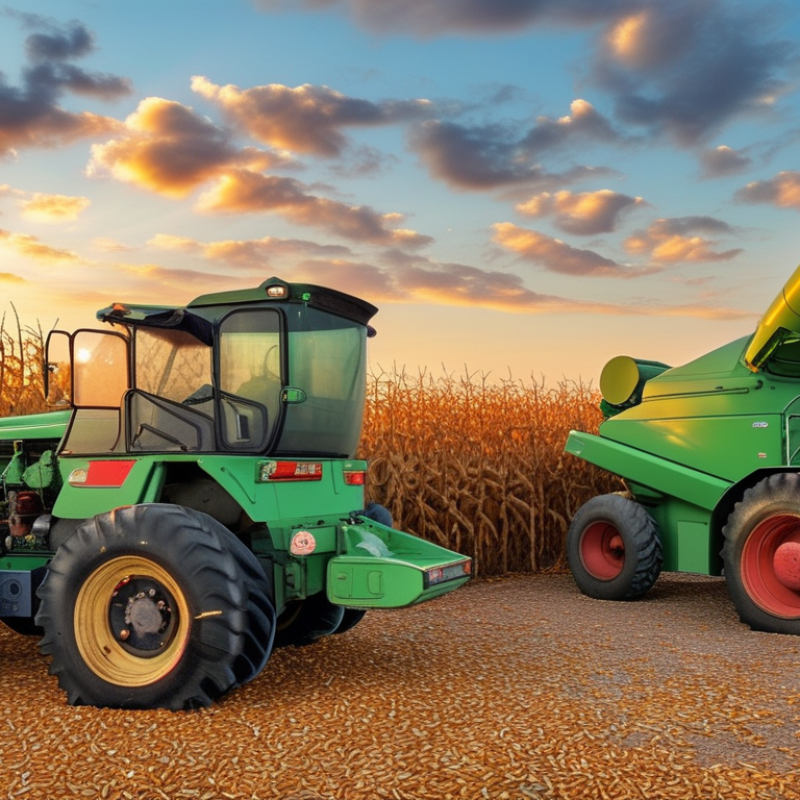
Understanding the Importance of Corn Drying in Agriculture
Corn drying plays a critical role in agriculture. Proper drying reduces moisture, preventing spoilage and enhancing storage. High moisture content can lead to mold growth, affecting grain quality. Farmers must prioritize corn drying to ensure a healthy yield. This is especially important in regions with high humidity.
Tips for selecting the right corn dryer: consider your farm size and specific needs. A smaller farm may need a simple, portable unit. Larger operations might require more sophisticated machinery with better efficiency. Evaluate different drying methods, such as natural air drying versus heated systems. Each has its pros and cons.
Understanding local climate also helps. Regions with variable weather might need a reliable, consistent drying method. Monitor moisture levels in your corn carefully. This helps in deciding when to start drying. Investing time in research can save significant costs later. Don't rush the process; proper drying takes time and care. Be open to learning from previous seasons to improve your methods.
How to Choose the Best Corn Dryer Machine for Your Needs?
| Dryer Type |
Capacity (tons/hour) |
Energy Source |
Drying Temperature (°C) |
Efficiency (%) |
Price Range (USD) |
| Batch Dryer |
5-10 |
Electric |
30-80 |
85 |
$10,000 - $15,000 |
| Continuous Dryer |
10-20 |
Natural Gas |
40-90 |
90 |
$20,000 - $30,000 |
| Mobile Dryer |
3-5 |
Diesel |
20-70 |
80 |
$8,000 - $12,000 |
| Hybrid Dryer |
10-15 |
Electric/Natural Gas |
30-85 |
92 |
$25,000 - $40,000 |
Key Factors to Consider When Selecting a Corn Dryer Machine
Choosing the right corn dryer machine involves several critical factors. You should start by evaluating your drying capacity needs. This typically depends on your harvest size. A higher capacity machine can save you time and energy. However, oversizing can lead to unnecessary costs.
Energy efficiency is another key consideration. Look for machines that use less fuel or electricity, as these can reduce operating costs. Additionally, assess the drying method. Continuous flow dryers tend to provide consistent results, while batch dryers can be less efficient. Think about your specific requirements.
Maintenance is often overlooked but crucial for long-term use. Machines that are easy to clean and service will save you hassle. Don’t forget about the technology involved. Advanced controls and sensors can help optimize drying conditions. While more technology can enhance performance, it may also complicate maintenance. Balancing these factors can lead you to the best choice for your needs.
Types of Corn Dryer Machines: Pros and Cons
When considering corn dryer machines, it's crucial to weigh their pros and cons. There are several types available, each with distinct features. For instance, batch dryers are popular for their efficiency. They handle large quantities of corn but may consume more energy. Some operators find the batch process less continuous, requiring pauses for loading and unloading.
On the other hand, continuous flow dryers offer a streamlined operation. They dry corn as it moves through the system, ensuring a steady output. However, these machines can have higher initial costs. Users often reflect on maintenance needs, which can affect overall reliability. Choosing the right type depends on your specific requirements and budget constraints.
Airflow dryers are another option, known for their simplicity. They utilize ambient air to dry corn slowly, which is less energy-intensive. Yet, they might not be as effective in humid conditions. The drying time can be longer, leading to potential spoilage if not monitored carefully. Evaluating these factors responsibly can aid in making an informed decision.
Evaluating Energy Efficiency and Cost-Effectiveness
When selecting a corn dryer machine, energy efficiency and cost-effectiveness are crucial elements. Studies indicate that energy-efficient machines can reduce operational costs by up to 30%. A well-designed dryer utilizes hot air circulation effectively, minimizing energy waste. An efficient dryer not only lowers utility bills but also ensures faster drying times. This can improve the overall productivity of your operation.
Tip: Evaluate the energy consumption rates prior to purchase. Opt for models that display energy labels to help in your decision-making process. Consider dryers with adjustable settings for different moisture levels, which can optimize energy use.
Cost-effectiveness is another vital factor. The initial purchase price should not be your only concern. Analyze long-term costs, including maintenance and energy usage. Some reports show that the average corn dryer could save farmers over $1,000 annually in energy costs. However, older models may require higher maintenance, which can erode savings.
Tip: Compare different models on the market. Seek out expert reviews and testimonials to understand their performance over time. Consider how the features align with your specific needs to avoid potential pitfalls.
Maintaining Your Corn Dryer for Optimal Performance
Maintaining your corn dryer is crucial for ensuring optimal performance and longevity. Regular checks and upkeep can significantly enhance efficiency. According to industry data, well-maintained dryers can improve drying efficiency by up to 25%. This statistic highlights the need for consistent maintenance. Dust accumulation can lead to overheating and increased energy consumption. Therefore, routine cleaning is essential.
One practical tip is to inspect the ventilation system. Blocked ducts can hinder airflow, affecting drying times. Ensure that all vents are clear and functioning properly. Consider using a pressure gauge to check for proper airflow throughout the dryer. Regular inspections can pinpoint issues before they lead to costly repairs.
Another area to focus on is the control panel. Calibration errors can result in uneven drying and product loss. Annual calibration checks are recommended for precision. Use a multimeter or temperature probe to verify readings. This small investment in time and resources can prevent headaches down the line. Remember, a little attention can make a big difference in performance.
Comparison of Different Corn Dryer Machines Performance
This bar chart compares the drying efficiency of different corn dryer machines, showcasing how well each model performs in terms of drying percentage. Understanding these metrics can help you make an informed decision when choosing the best corn dryer for your needs.