2025 How to Choose the Best Inverter Heat Pump for Energy Efficiency and Comfort
In the quest for sustainable living, the choice of an
energy-efficient heating and cooling system has never been more crucial. As energy costs continue to rise and environmental concerns mount, homeowners are increasingly turning to
Inverter Heat Pumps for their versatility and efficiency.
Industry expert Dr. Emily Carter, a prominent researcher in renewable energy technology, emphasizes the significance of this shift:
"Inverter Heat Pumps not only reduce energy consumption but also provide exceptional comfort levels throughout the year."
Selecting the ideal Inverter Heat Pump can be a daunting task, given the myriad of options available on the market. Factors such as capacity, efficiency ratings, and features play a pivotal role in ensuring that your investment not only meets your comfort needs but also aligns with your energy efficiency goals.
With the right guidance, consumers can navigate these choices effectively, selecting the system that best suits their lifestyle and home environment.
As we delve into the intricacies of choosing the best Inverter Heat Pump for energy efficiency and comfort, it’s essential to understand the underlying technology and its potential to transform how we approach heating and cooling. This comprehensive overview will equip you with the knowledge needed to make an informed decision, ultimately leading to a more sustainable and comfortable living space.
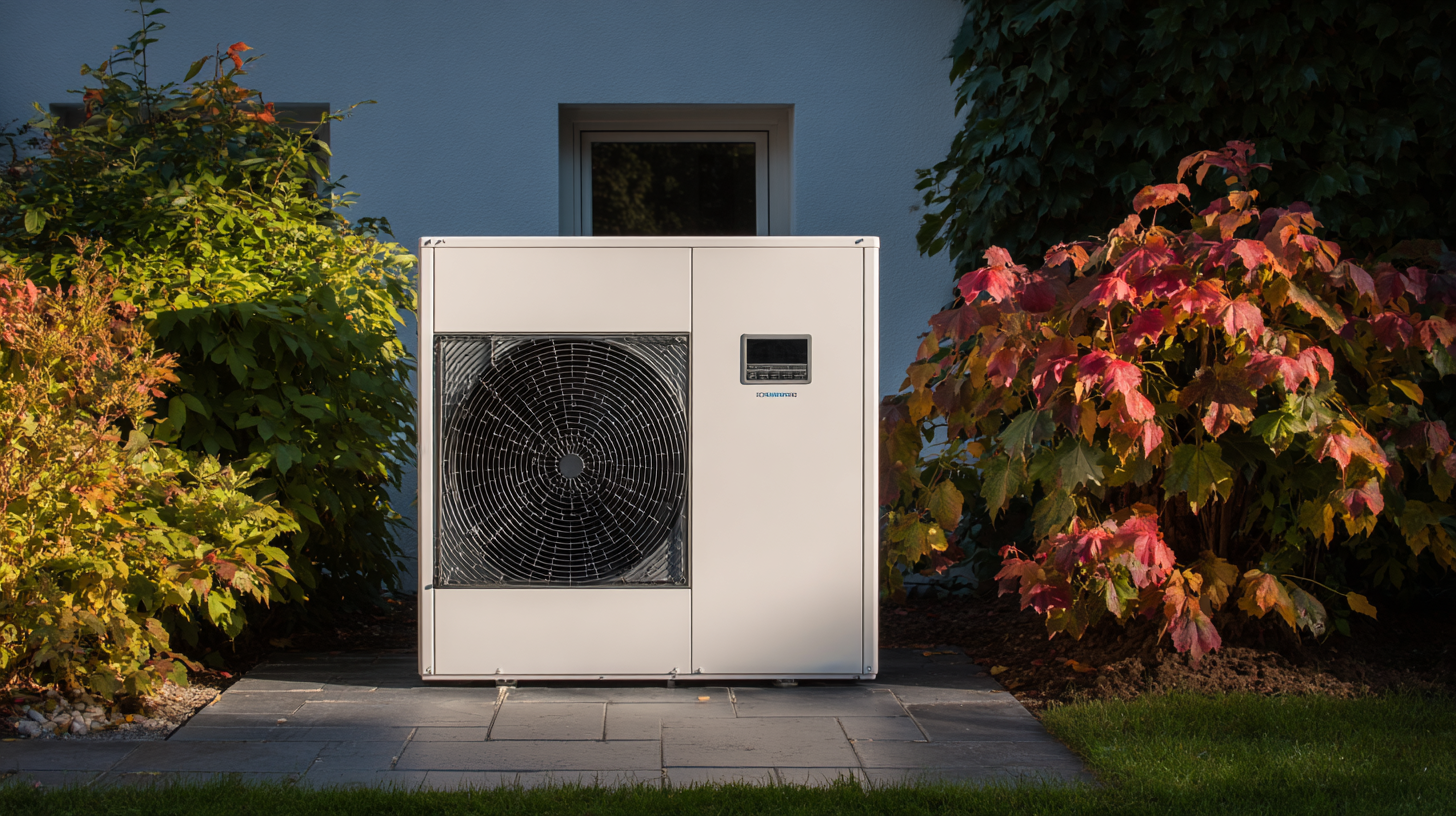
Top Considerations for Selecting an Inverter Heat Pump in 2025: Energy Efficiency Ratings Explained
When selecting an inverter heat pump in 2025, understanding energy efficiency ratings is crucial. The Seasonal Energy Efficiency Ratio (SEER) and Heating Seasonal Performance Factor (HSPF) are two key metrics that should guide your choice.
According to the U.S. Department of Energy, heat pumps with a SEER rating above 16 and an HSPF above 9 provide significant energy savings compared to standard systems.
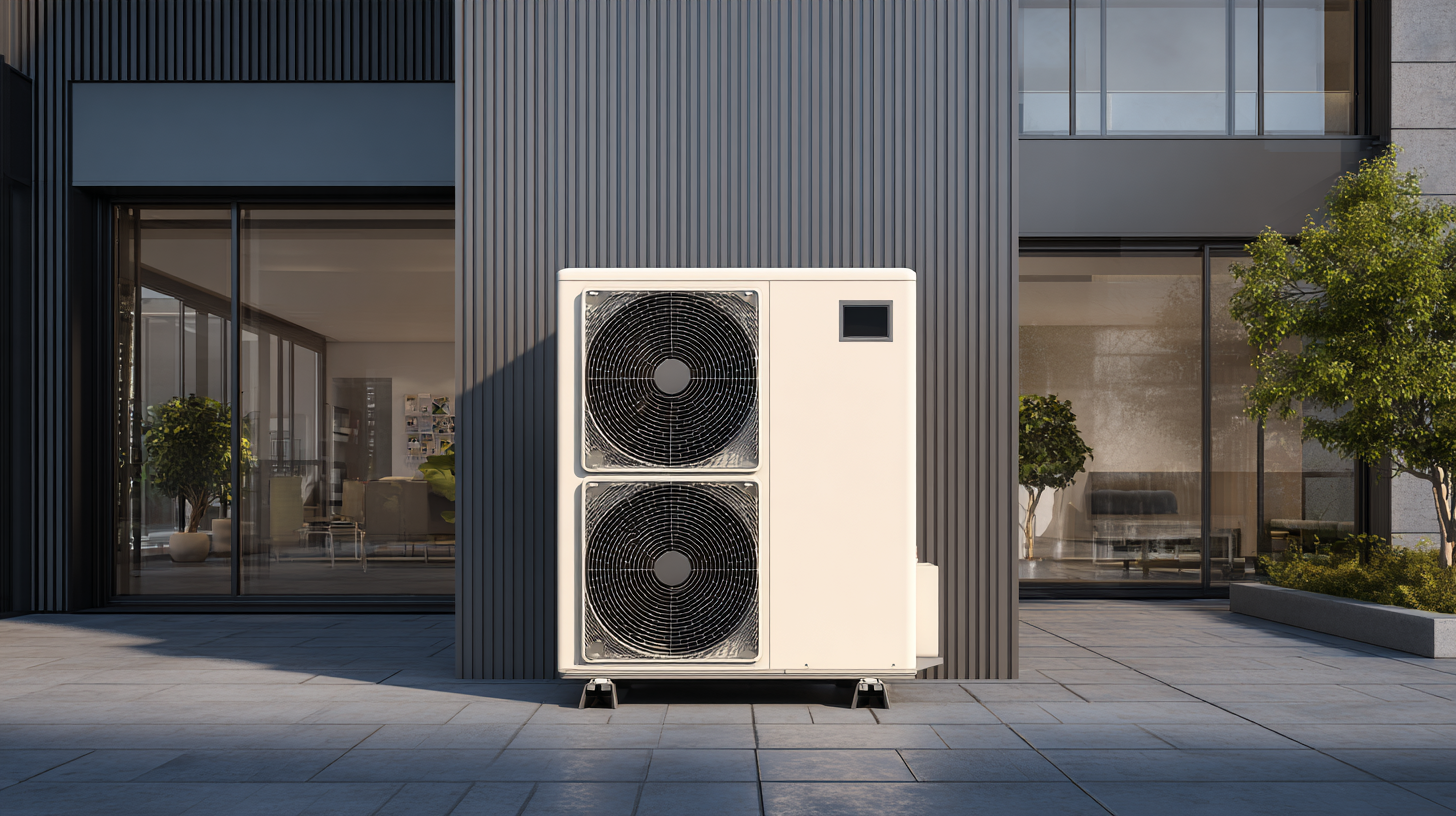 Inverter technology allows these units to adjust their output based on the heating or cooling demand, maximizing efficiency and comfort throughout the year.
Additionally, the Energy Star certification remains a strong indicator of overall performance. A 2023 report from the Environmental Protection Agency (EPA) highlighted that Energy Star-certified heat pumps can be up to 25% more efficient than non-certified models. This not only translates to lower utility bills but also contributes to a reduced carbon footprint. As energy costs continue to rise and environmental concerns become increasingly pressing, selecting a heat pump that meets these efficiency standards will not only enhance comfort but also promote sustainability in your home.
Understanding COP and EER Metrics: What They Mean for Comfort and Efficiency in Heat Pumps
When selecting an inverter heat pump for optimal energy efficiency and comfort, understanding key metrics like the Coefficient of Performance (COP) and Energy Efficiency Ratio (EER) is essential. COP measures the efficiency of a heat pump in heating mode, expressing the ratio of heating output to electricity input. A higher COP indicates better performance, meaning the system delivers more heat for each unit of electricity consumed. In colder climates, where heating demand is greater, a high COP can significantly reduce energy costs.
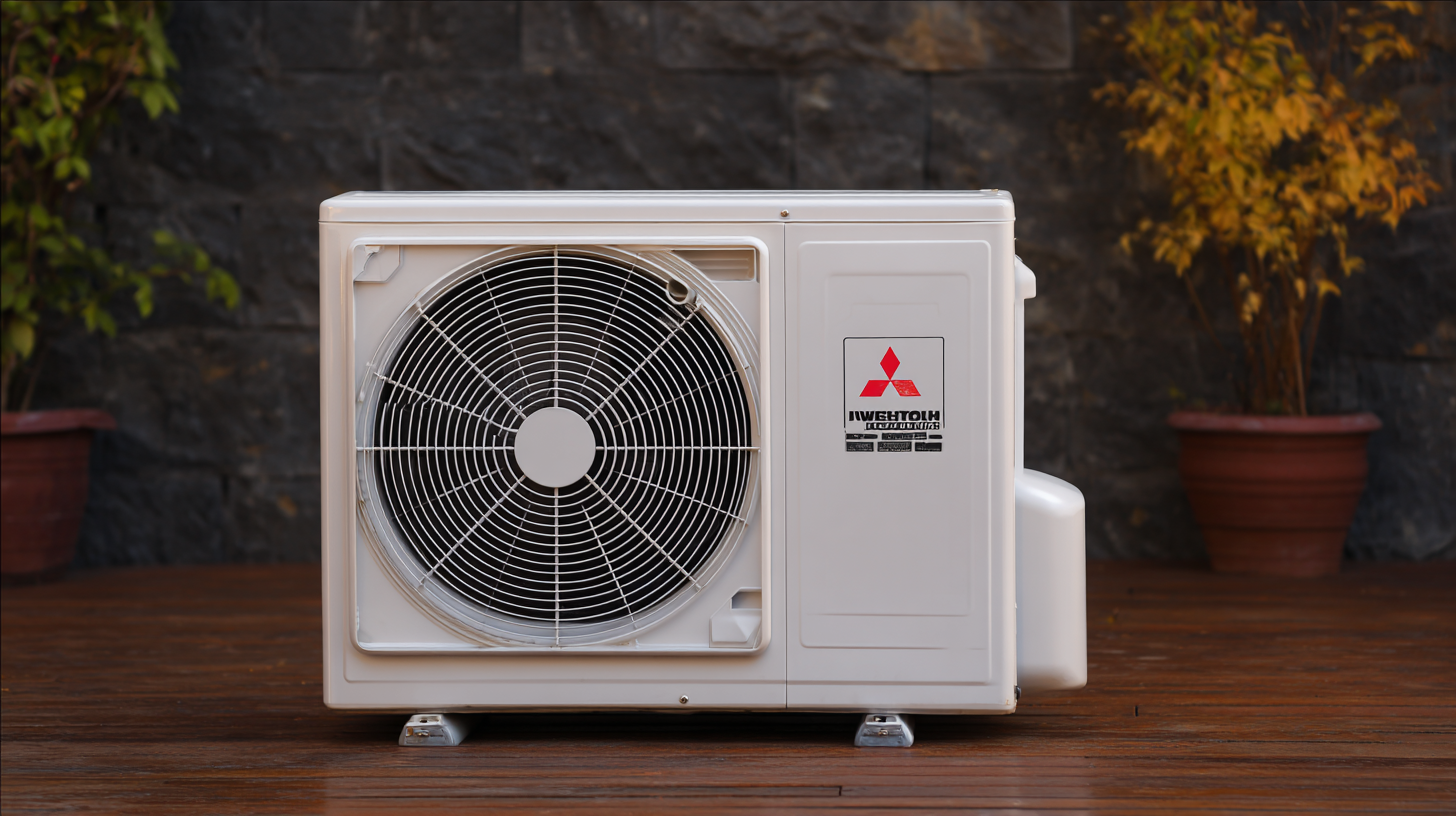
On the other hand, EER is used to evaluate the cooling performance of heat pumps, representing the ratio of cooling output to electrical input at a specific temperature. It is especially critical during hot months, influencing the pump’s operational cost and comfort level. A higher EER signifies enhanced efficiency in delivering cool air. By comparing COP and EER ratings, consumers can make informed decisions that align with their specific climate needs, ensuring they select a heat pump that not only maintains comfort throughout the year but also minimizes energy consumption.
Assessing the Role of SEER and HSPF Ratings in Long-Term Cost Savings for Homeowners
When selecting an inverter heat pump, understanding SEER (Seasonal Energy Efficiency Ratio) and HSPF (Heating Seasonal Performance Factor) ratings is crucial for long-term cost savings and comfort. SEER measures the cooling efficiency over a typical cooling season, with higher values indicating greater efficiency. According to the U.S. Department of Energy, the minimum SEER rating for new air conditioning systems has been increased to 14, but many inverter heat pumps can achieve ratings as high as 20, significantly lowering energy bills.
Similarly, HSPF evaluates the heating efficiency of heat pumps, with higher numbers reflecting better performance during the heating season. A study from the American Council for an Energy-Efficient Economy (ACEEE) indicates that a heat pump with an HSPF of 9.0 can save homeowners approximately 30% more in energy costs compared to one with a rating of 7.0. By prioritizing higher SEER and HSPF values, homeowners not only boost their comfort levels through enhanced climate control but also create a more sustainable living environment that offers substantial financial benefits over time.
Evaluating Noise Levels: The Importance of Silent Operation in Inverter Heat Pump Technology
When selecting an inverter heat pump, noise levels play a critical role in ensuring a comfortable living environment. The advancement in inverter technology has significantly reduced operational noise, making these units a popular choice for residential settings where tranquility is a priority. A quiet heat pump not only enhances indoor comfort but also allows for the peaceful enjoyment of outdoor spaces, especially in densely populated areas.
The importance of silent operation cannot be overstated, as excessive noise can be disruptive, particularly during nighttime hours. Consumers should pay attention to the decibel ratings of various models and take note of any specific noise reduction features, such as variable speed compressors and sound-dampening insulation. A well-chosen inverter heat pump that operates silently can provide energy-efficient heating and cooling without compromising on comfort or peace, creating an ideal home environment for relaxation and productivity.
2025 Inverter Heat Pump Noise Levels Comparison
This chart illustrates the noise levels (in decibels) of various inverter heat pump models. Lower noise levels contribute to better energy efficiency and user comfort, making silent operation a key factor in choosing an inverter heat pump.
Exploring Smart Technology Features: Enhancing Energy Management and Comfort in Modern Heat Pumps
In recent years, inverter heat pumps have emerged as a pivotal solution for homeowners seeking
energy efficiency and enhanced comfort. A
significant aspect of these systems lies in their smart technology features, which have
revolutionized energy management. By integrating advanced algorithms and sensors, modern heat pumps can adjust
their performance based on real-time environmental conditions. This not only leads to greater energy savings
but also optimizes indoor climate control, ensuring that homes are maintained at comfortable temperatures
regardless of external weather fluctuations.
Additionally, the incorporation of smart home integration has further elevated the usability of inverter heat pumps.
Homeowners can now control their heating systems remotely through smartphone apps or
home automation systems, allowing for flexible energy management schedules. Features like
predictive maintenance alerts and energy usage analytics empower users to make informed
decisions, ensuring that their heating systems operate at peak efficiency. As these technologies evolve,
they promise not only to enhance comfort levels but also to significantly reduce energy consumption,
thus contributing to a more sustainable future.