How to Choose the Best Instant Electric Water Heater?
Choosing the right instant electric water heater can be challenging. With various brands and models available, it's easy to feel overwhelmed. These appliances provide hot water on demand, offering convenience for daily tasks. However, selecting the best one involves careful consideration.
Instant electric water heaters vary in capacity, efficiency, and features. Some may heat water quickly but consume more energy. Others are energy-efficient but can take longer to deliver hot water. It’s essential to understand your specific needs before making a decision. Reflecting on your water usage patterns can help narrow down your options.
While many reviews exist, they may not cover every aspect. Some heaters may struggle in peak demand situations. Therefore, consider factors like installation space, budget, and warranty. Ultimately, making an informed choice can lead to better satisfaction with your purchase.
Understanding Instant Electric Water Heaters: A Brief Overview
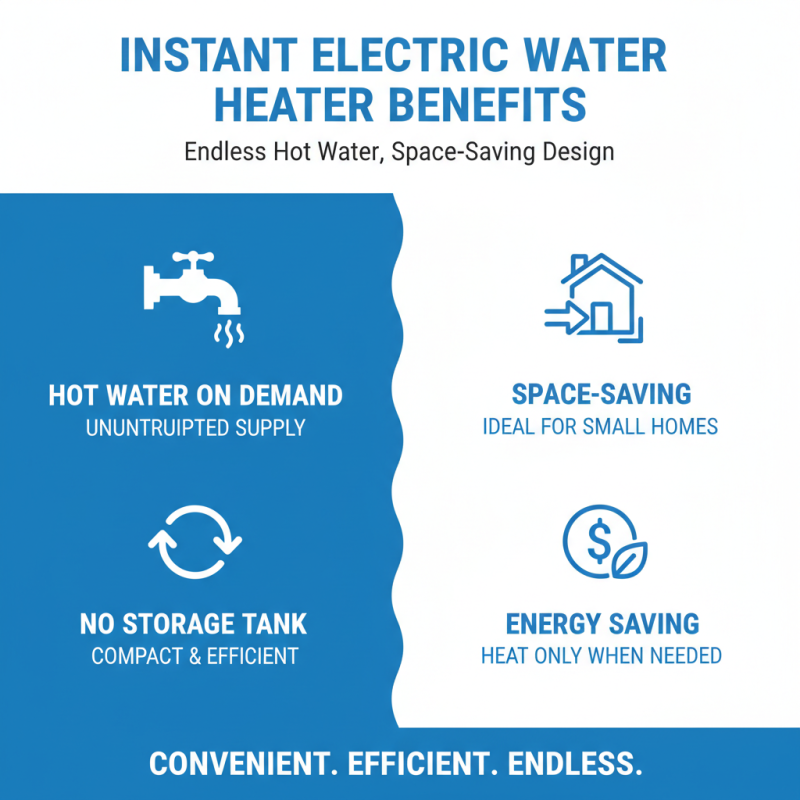
Instant electric water heaters offer a convenient solution for hot water needs. These appliances heat water on demand. Unlike traditional heaters, they don't store water. As a result, users enjoy endless hot water. The compact design saves space too, making them suitable for small homes.
Understanding instant electric water heaters is crucial for making an informed choice. They operate by using high-powered heating elements. When you turn on the tap, cold water flows through the unit. The heater activates and warms the water instantly. This process is efficient, but it requires adequate electrical capacity. Many users overlook this detail, leading to performance issues.
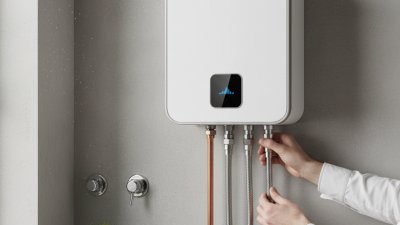
Let’s not forget that installation can be tricky. A professional is often needed, which may increase initial costs. Additionally, the flow rate is important. If multiple taps are used simultaneously, hot water may not be abundant. This factor is often underestimated. Take time to assess your household needs before making a decision.
Key Factors to Consider When Choosing an Instant Electric Water Heater
When choosing an instant electric water heater, several key factors play crucial roles.
First, consider the flow rate. This determines how much hot water you will get per minute. A higher flow rate means more hot water. Pay attention to your household needs. A family of four requires a more robust model than a single person living alone.
Installation space is another important aspect. Measure the area where you plan to install the heater. If space is limited, a compact model may be necessary. Ensure that the chosen unit fits comfortably and allows for proper ventilation. A few units can be bulky, limiting placement options.
Tips: Think about energy efficiency. Look for heaters with high energy ratings. They might cost more upfront, but they save money over time. Don’t overlook safety features too. Automatic shut-off, temperature controls, and overheat protection can prevent accidents. Always check local regulations for installing electric appliances. Ignoring these could lead to complications later on.
Evaluating the Energy Efficiency of Instant Electric Water Heaters
When choosing an instant electric water heater, energy efficiency is crucial. These heaters work on-demand, heating water only when needed. This can reduce energy waste significantly. Look for models with good insulation to minimize heat loss.
A well-insulated heater maintains its temperature, using less energy over time.
The energy factor (EF) rating helps evaluate efficiency. Higher EF values indicate better performance. But remember, real-life usage might differ. Some heaters may not reach their rated efficiency in everyday situations. It’s essential to consider your household’s water usage patterns. If multiple faucets run simultaneously, you might need a stronger unit.
Cost is also a factor. High-efficiency models can be more expensive upfront. They often lead to cost savings down the line. However, if the need for hot water is low, a less expensive unit might suffice. Be sure to calculate your long-term expenses to find the best balance between cost and efficiency.
Comparing Different Brands and Models of Instant Electric Water Heaters
Choosing an instant electric water heater requires careful consideration of various brands and models. Each has unique features that cater to different needs. Look for capacity, wattage, and energy efficiency. Some heaters provide quick heating but consume more power. Others may take longer but save energy.
Compare customer reviews to gain insights. Users often share their experiences with reliability and performance. Pay attention to complaints. Common issues include temperature fluctuations or inconsistent hot water supply. These factors could influence your decision.
Try to visualize the space for installation. Some models are compact, fitting easily under sinks. Others are bulkier. Ensure the model you choose aligns with your available space. Not all heaters are easy to install. Some require professional help, adding to the overall cost. Be aware of warranty terms too. A solid warranty can indicate a brand's confidence in its product.
How to Choose the Best Instant Electric Water Heater? - Comparing Different Brands and Models of Instant Electric Water Heaters
| Model |
Power (kW) |
Flow Rate (L/min) |
Temperature Range (°C) |
Energy Efficiency Rating |
Warranty (Years) |
Price (USD) |
| Model A |
3.5 |
5 |
30-60 |
A+ |
2 |
150 |
| Model B |
4.0 |
6 |
25-55 |
A |
3 |
200 |
| Model C |
5.5 |
7 |
20-70 |
A++ |
5 |
300 |
| Model D |
3.0 |
4 |
30-50 |
B |
1 |
120 |
| Model E |
6.0 |
9 |
25-75 |
A+++ |
4 |
350 |
Installation and Maintenance Tips for Instant Electric Water Heaters
When it comes to installing instant electric water heaters, attention to detail is crucial. Proper installation is vital for efficiency and safety. Many homeowners overlook this. Correctly positioning the unit can improve performance by up to 30%, according to industry studies. Ensure the water heater is placed near the points of use to minimize heat loss. Assess your local codes and regulations, as they can greatly impact installation requirements.
Maintenance is another key aspect. Regular upkeep can extend the lifespan of your water heater. Checking the heating elements periodically helps avoid breakdowns. Descaling is essential, especially in areas with hard water. Studies suggest that neglecting this can reduce heating efficiency by nearly 20%. Keep an eye on water temperature settings; they should be no higher than 120°F for safety and efficiency reasons. Monitor for any unusual noises, as these can indicate potential issues that need addressing promptly.
Many users often experience cold water bursts. This can be frustrating. It may signal the need for adjustments or maintenance. Ensure filters are clean and unobstructed. Even minor clogs can lead to significant fluctuations in temperature and pressure, resulting in unexpected cold showers. Addressing these issues proactively can save both water and energy costs.