How to Choose the Best Dried Fruit Dryer for Home Use?
Dried fruit has gained popularity in recent years for its health benefits and convenience. The global dried fruit market is expected to reach $11.6 billion by 2026, according to industry reports. Many people are turning to home drying methods, leading to an increased demand for effective dried fruit dryers. Choosing the right dryer can lead to better quality and flavor preservation.
When looking for a dried fruit dryer, consider the different types available. Some models focus on energy efficiency, while others emphasize drying speed. Consumer preferences vary widely. Consequently, it’s crucial to know what features will suit your needs best. Not all dryers are created equal, and some may take longer to produce satisfying results.
Many users experience challenges with uneven drying. This can lead to spoilage and wasted fruit. Taking the time to research and reflect on your options is vital. A little extra effort now can make a significant difference in your dried fruit experience later. Investing in a quality dried fruit dryer can ensure consistent outputs and flavorful snacks for months to come.
Understanding the Different Types of Dried Fruit Dryers Available
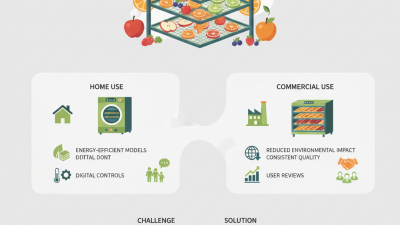
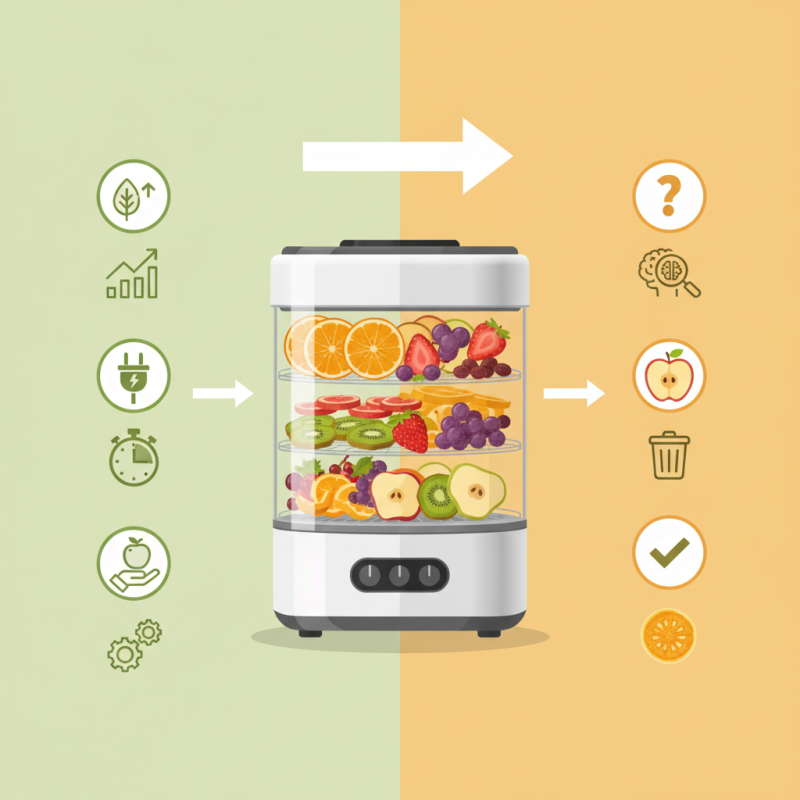
When choosing a dried fruit dryer, it’s essential to understand the available types. The two main categories are electric dehydrators and solar dehydrators. Electric models are more common. They offer consistent heat and require minimal supervision. However, they use electricity, which may affect your utility bill.
Solar dehydrators, on the other hand, rely on sunlight. They are eco-friendly and cost-effective. Yet, their effectiveness depends on weather conditions. On cloudy days, drying times can increase significantly. Consider how often you will use the dryer when deciding.
Tips: Look for a model with adjustable temperature settings. This feature allows you to dry different fruits more efficiently. Also, check for good airflow. Proper circulation ensures even drying, preventing spoilage. Take time to evaluate your needs. This may save you from future frustrations.
Key Features to Look for in a Dried Fruit Dryer
When choosing a dried fruit dryer, focus on key features.
Size is one of the first things to consider.
A compact design suits small kitchens.
Larger models can accommodate more fruit, but they require more space.
Think about how much you wish to dry at once.
A smaller family may not need a high-capacity dryer.
Temperature control is critical. Look for a dryer with adjustable settings.
This feature allows you to choose the perfect temperature for various fruits.
Some fruits need low heat, while others can handle higher temperatures.
A unit with a timer can help avoid over-drying.
Consistency in drying is key for flavor and texture.
Ease of cleaning is another important point.
Removable trays make the process simpler.
If trays are non-stick, it can save time post-drying.
Noise level is often overlooked.
If the unit is too loud, you might hesitate to use it.
Reflect on your priorities.
Sometimes, the perfect dryer may not exist.
Assessing the Size and Capacity of Dried Fruit Dryers for Home Use
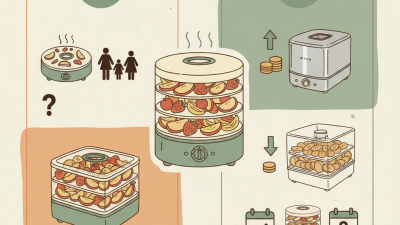
When choosing a dried fruit dryer for home use, size and capacity are crucial factors. Think about how much dried fruit you want to make at once. A small unit may suffice for occasional use, but larger families or avid snackers might need a bigger capacity. Consider your kitchen space, too. An oversized dryer can dominate the counter, making it hard to utilize the area effectively.
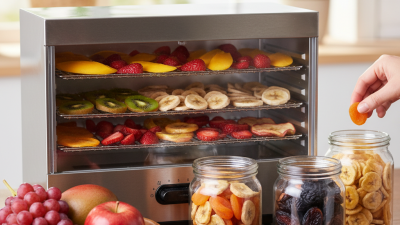
Additionally, evaluate the design of the dryer. Some models feature multiple trays that allow you to dry different types of fruits simultaneously. This can be a great advantage. However, it also means you need to keep an eye on drying times. Each fruit varies in moisture content. If you overload the trays, you might end up with unevenly dried products.
Lastly, reflect on your drying needs. Will you use the dryer infrequently? Or do you plan to dry seasonal fruits regularly? Knowing your habits can help determine the right size. Misjudging your needs can lead to disappointment. You might end up with a dryer that doesn’t meet your expectations. Choosing wisely ensures your efforts yield delicious, homemade snacks.
Comparison of Dried Fruit Dryer Capacities for Home Use
Comparing Energy Efficiency and Operating Costs of Dried Fruit Dryers
When selecting a dried fruit dryer for home use,
energy efficiency is crucial. Studies indicate that
an efficient dryer consumes around 300-600 watts per hour. This translates to about
$0.03 to $0.12 per hour in energy costs. In contrast, less efficient models may use
over 1,000 watts. This discrepancy can lead to significant savings over time.
Operating costs extend beyond energy consumption. The cost of fruit preparation,
labor, and maintenance must also be factored in. Reports show that using fresh fruits, like apples or berries,
can cost around $1 to $3 per pound. After drying, the yield decreases considerably. Thus,
understanding the conversion rate is vital. For instance, one pound of fresh fruit may yield only
0.2 to 0.4 pounds of dried fruit.
Choosing a dryer with accurate temperature control can minimize waste.
Overheating can lead to nutrient loss. Some models have built-in timers, helping avoid this.
However, not all users utilize these features fully, resulting in potential inefficiencies.
Carefully assessing user habits may reveal areas for
improvement in operation and costs.
Reading Customer Reviews and Ratings for Informed Decision Making
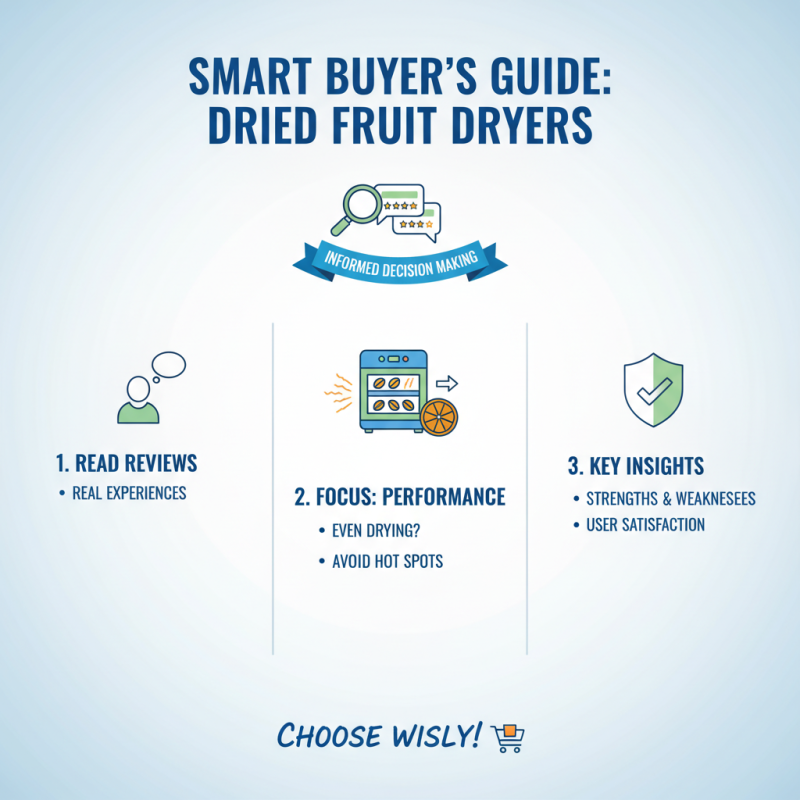
When choosing a dried fruit dryer, customer reviews can provide great insights. These reviews reflect real experiences and can reveal strengths and weaknesses. Look for comments on performance. Does it dry fruits evenly? Some dryers may have hot spots, leading to uneven results. This can be frustrating.
Ratings are also important. A high rating usually indicates customer satisfaction. However, don't just look at the numbers. Read the written feedback. Sometimes, a 4-star product is preferable if the reviews mention durability. Customer opinions can expose potential issues that numbers alone can't show.
Be wary of overly positive reviews. They may not tell the full story. It's helpful to find balanced perspectives. Mixed reviews can shed light on common problems. For instance, some users might struggle with the noise level. Others may find it user-friendly. Consider these details before making a decision.