How to Choose the Right Air Conditioner Inverter for Your Needs?
Choosing the right air conditioner inverter is essential for optimal energy efficiency. Recent industry reports indicate that inverter air conditioners can reduce energy costs by up to 30% compared to traditional models. This efficiency stems from their ability to adjust compressor speed, providing precise temperature control without excessive energy consumption.
However, understanding the right features for your needs can be challenging. Factors such as room size, climate, and energy ratings are critical in making an informed choice. Some consumers may overlook these aspects, leading to inefficient cooling solutions. Prioritizing these attributes can enhance comfort and reduce electricity bills.
Selecting an air conditioner inverter requires careful consideration. Many users find themselves confused by the various options available. It's vital to evaluate both short-term and long-term needs. A well-informed decision can lead to satisfaction and performance that aligns with your specific requirements.
Understanding the Basics of Air Conditioner Inverters
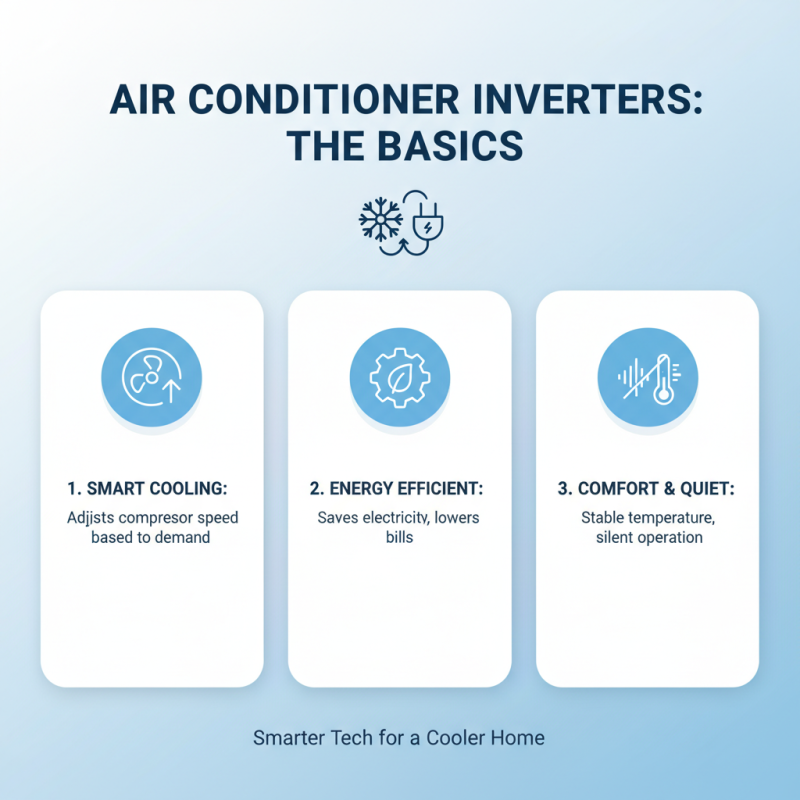
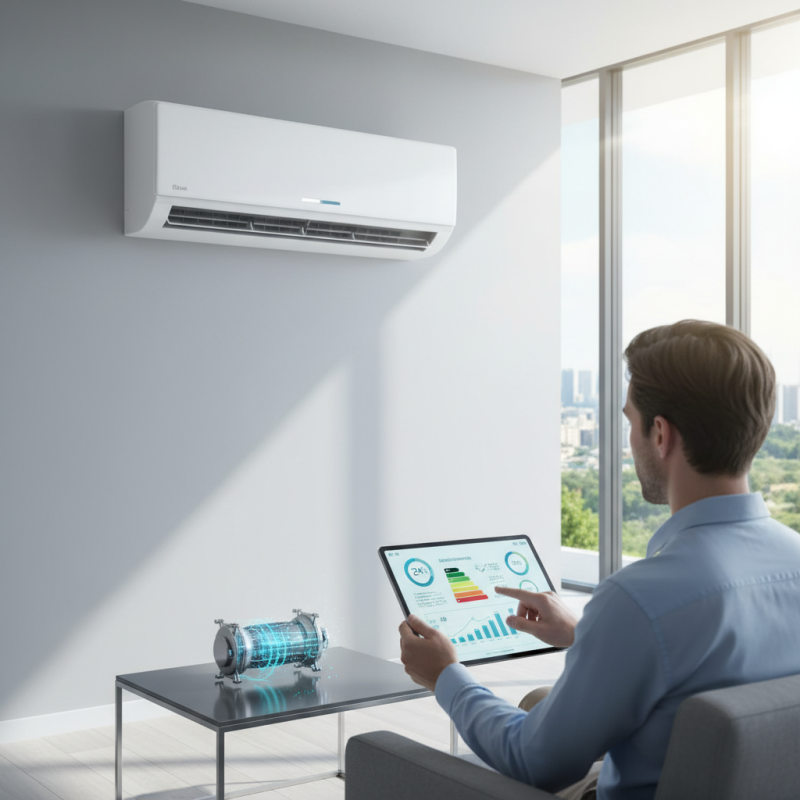
When selecting an air conditioner inverter, understanding its basics is crucial. An air conditioner inverter adjusts the compressor speed based on cooling demand. This technology helps in efficient energy use, leading to lower electricity bills. The inverter operates quietly and maintains a stable temperature, making your environment more comfortable.
Tips: Look for inverters with variable speed capability. This allows better energy management. You may find some units have energy-efficient features like sleep mode. These can further reduce your bills while ensuring comfort.
Not all inverters are created equal. Some may not perform well in extreme temperatures. Researching energy ratings and user reviews is vital. Check how different models handle operational loads. It’s surprising to know how quickly performance can vary for different units. This necessitates careful consideration, especially for larger spaces.
Identifying Your Cooling Needs and Requirements
When identifying your cooling needs, consider your living space. Measure the area you want to cool. Different rooms may require varying capacities. A small bedroom needs less cooling power than a large living room. Think about the design and layout of your space, too.
Open floor plans can spread cool air quickly, while closed rooms may trap heat.
Next, assess your local climate. Hotter regions need more efficient cooling systems. If humidity is a concern, consider opting for a unit with dehumidifying features. You might think about the number of windows and insulation levels in your home. These factors impact your air conditioner's effectiveness.
Free-standing units are great for small areas.
Central units, however, work better for larger homes.
Additionally, reflect on your comfort preferences. Do you prefer a steady temperature or variable cooling?
Adjustable settings can offer flexibility. Noise levels are also important. Some units are quieter than others.
It’s beneficial to weigh these aspects carefully. An informed choice leads to long-term satisfaction with your air conditioning system.
Evaluating Energy Efficiency Ratings and Features
When choosing an air conditioner inverter, energy efficiency is a key consideration. Look for models with high SEER (Seasonal Energy Efficiency Ratio) ratings. A higher SEER means better efficiency, which translates to lower electricity bills. The right inverter should adapt to changing temperatures, minimizing energy use during less demanding conditions.
Pay attention to features such as variable speed compressors. These allow the unit to adjust cooling levels without constantly turning on and off. This not only boosts efficiency but also enhances comfort. It's essential to balance these features with your specific cooling needs. Consider the size of the space, climate, and how often you'll use the unit.
Not all inverters are created equal. Some may promise high efficiency but deliver mediocre performance. Customer reviews and expert ratings can provide insights. Relying solely on manufacturer claims might lead to disappointment. Investigate real-world usage to ensure you're making the best choice for your situation.
How to Choose the Right Air Conditioner Inverter for Your Needs?
| Model |
Energy Efficiency Rating (EER) |
Cooling Capacity (BTU) |
Noise Level (dB) |
Special Features |
| Model A |
15.0 |
9000 |
30 |
WiFi Connectivity, Eco Mode |
| Model B |
14.5 |
12000 |
32 |
Smart Temperature Control, Sleep Mode |
| Model C |
16.0 |
18000 |
28 |
Inverter Technology, Allergy Filter |
| Model D |
13.8 |
6000 |
35 |
Portable Design, Timer Function |
Comparing Different Types of Inverter Technologies
When selecting an air conditioner inverter, understanding different technologies is crucial. Key types include variable speed, fixed speed, and multi-inverter systems. Variable speed inverters are energy-efficient. They adjust speeds to meet cooling needs, providing comfort while saving electricity. On the other hand, fixed speed inverters operate at one speed, which may not be as efficient.
Multi-inverter systems offer flexibility. They can connect multiple indoor units to a single outdoor unit. This allows customization based on specific spaces. If your home has various zones, a multi-inverter might suit you well. However, installation can be complex and requires professional evaluation.
Tips: Consider your home's size. For larger spaces, a variable speed inverter can save you money in the long run. Examine the energy ratings; higher ratings mean better efficiency. Reflect on the noise level too. Some inverters operate quietly, while others can be quite loud. It’s worth comparing options before deciding. Always consult with experts to ensure optimal selection.
Budgeting and Planning for Your Air Conditioner Purchase
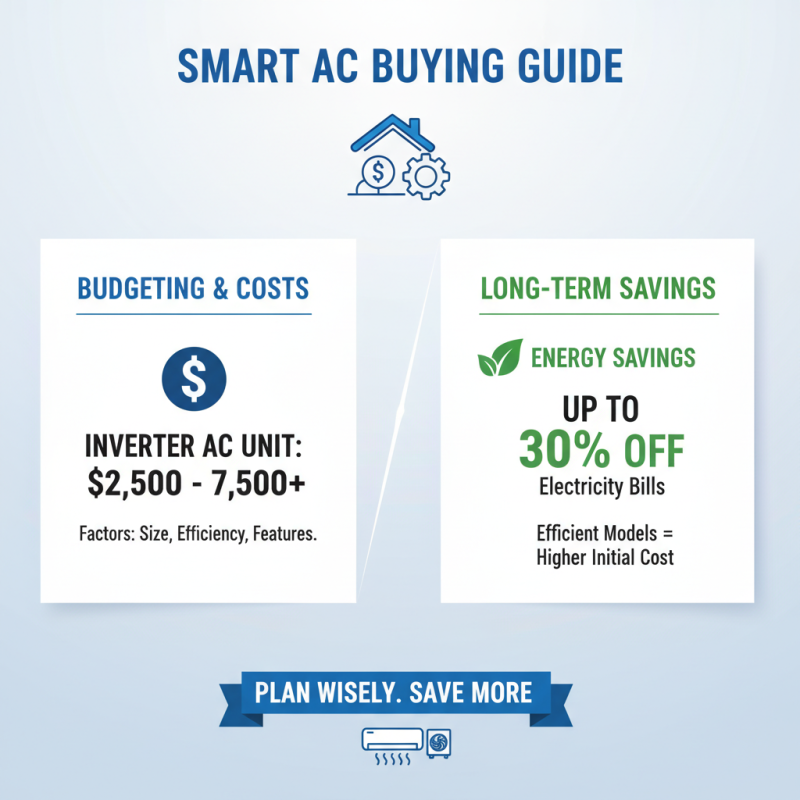
When budgeting for an air conditioner inverter, determining the total cost is crucial. According to industry reports, a quality unit typically ranges from $2,500 to $7,500. This range depends on factors like size, efficiency, and features. Consider potential energy savings as well. Energy-efficient models can save you up to 30% on electricity bills. However, initial costs may be higher.
Planning your purchase is equally important. Start by assessing your space and cooling needs. An HVAC expert can provide valuable insights, ensuring you choose a suitable capacity. According to a study by the Air Conditioning, Heating, and Refrigeration Institute, incorrect sizing can lead to inefficiency. Oversized units waste energy, while undersized ones struggle to cool effectively.
Factor in installation costs, too. Professional installation can add around $500–$1,500 to your budget. Without proper installation, even the best unit can underperform. Always seek multiple quotes to find the best value. Accept that it’s normal to feel overwhelmed during this decision-making process. Air conditioning is a significant investment, and careful planning can yield long-term benefits.