Why Choose a Mini Split Heat Pump for Your Home?
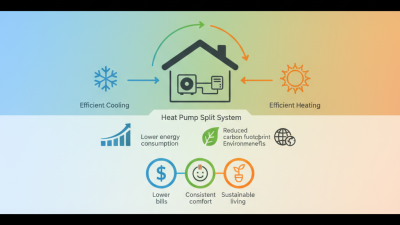
The Mini Split Heat Pump is becoming increasingly popular among homeowners. This versatile system offers efficient heating and cooling options. According to the U.S. Department of Energy, mini split systems can reduce energy consumption by up to 30%. That’s a significant savings for most families.
Mini split systems provide flexibility. They can be installed in various home designs, including apartments and older homes without ductwork. Plus, they operate quietly, enhancing comfort. However, not all homeowners recognize the benefits. Some may find the initial investment daunting. It’s important to weigh upfront costs against long-term savings.
Efficient heating and cooling are essential. With climate change affecting weather patterns, reliable home comfort is more crucial than ever. Mini split heat pumps meet these needs while being energy efficient. Are you ready to rethink your home heating and cooling options?
Benefits of Mini Split Heat Pumps for Energy Efficiency
When considering energy efficiency, mini split heat pumps stand out. They utilize advanced technology to heat or cool individual rooms effectively. This targeted approach reduces energy consumption. Homeowners often experience lower utility bills, which is a significant benefit. Many are surprised by how much they save.
Mini split systems are easy to install. There’s no need for extensive ductwork. This simplicity can lead to quicker installation times and less disruption. However, some users may find the aesthetic of the indoor units less appealing. Ductless systems can affect interior design choices. But, recognizing this trade-off is essential for maximizing comfort and efficiency.
Another point of consideration is maintenance. While generally low-maintenance, mini splits do require regular cleaning. Filters must be replaced or cleaned frequently to maintain optimum performance. Negligence can lead to decreased efficiency and potential repairs. Users often must remind themselves to uphold these maintenance tasks, or they risk losing energy efficiency.
Why Choose a Mini Split Heat Pump for Your Home? - Benefits of Mini Split Heat Pumps for Energy Efficiency
| Feature |
Benefit |
Energy Efficiency Rating |
Annual Savings ($) |
| Zoned Heating/Cooling |
Custom comfort for different areas |
19 SEER |
$500 |
| Ductless Installation |
Less invasive and quicker installation |
18 SEER |
$450 |
| Energy Star Rated |
Reduced energy consumption |
20 SEER |
$600 |
| Flexible Placement |
Install in locations with limited space |
17 SEER |
$400 |
| Quiet Operation |
Minimal noise pollution |
18 SEER |
$500 |
Comparative Analysis of Mini Split Heat Pumps vs. Traditional Systems
Mini split heat pumps have gained traction due to their efficiency and flexibility compared to traditional systems. Research indicates they can save homeowners up to 30% on energy bills. These systems operate quietly and require less invasive installation.
In contrast, traditional systems often need ductwork, which can be expensive and time-consuming.
One clear advantage of mini splits is their zoning capability. They allow homeowners to heat or cool specific areas as needed, leading to better comfort and lower energy usage. However, some may find the upfront cost daunting. It's essential to weigh these costs against potential savings in the long run.
Tip: Consider the layout of your home when choosing a heating and cooling solution.
Moreover, mini splits are environmentally friendly. They typically have a higher SEER (Seasonal Energy Efficiency Ratio) rating. Traditional systems often fall short in this area, contributing to higher carbon emissions. Still, mini splits might not be ideal for all climates. It's crucial to evaluate local weather conditions before making a decision.
Tip: Consult with a professional to assess your specific heating and cooling needs.
Versatility of Mini Split Heat Pumps in Climate Control
Mini split heat pumps offer exceptional versatility in climate control. These systems enable targeted heating and cooling for specific areas, allowing homeowners to optimize their comfort and energy efficiency. According to the U.S. Department of Energy, mini splits can save about 30% more energy than traditional systems, particularly in homes with less ductwork. This is an attractive feature for modern homes, often designed for open spaces.
In colder months, mini split heat pumps can efficiently extract heat from the outside air. They operate effectively even at temperatures as low as 5°F. This makes them suitable for various climates, ensuring you stay warm without high energy bills. A report from the Energy Information Administration reveals that homeowners in moderate climates notice up to a 40% reduction in heating costs when switching to these systems.
While mini splits are adaptable, installation requires careful planning. Not every home is a perfect fit for this technology. Factors like insulation and layout can affect performance. Therefore, a professional evaluation is crucial. In some cases, homeowners may need multiple units for optimum effectiveness. Balancing the initial investment with potential savings can be challenging, but understanding their versatility can help you make an informed decision.
Installation Process and Considerations for Mini Split Heat Pumps
When considering a mini split heat pump, the installation process is crucial. First, it requires a suitable location for both indoor and outdoor units. Local climates often dictate placement options. According to the Refrigeration Research Institute, proper positioning can enhance energy efficiency by up to 30%. If not positioned well, you might face air flow issues.
The installation typically involves a technician drilling a small hole through a wall to connect refrigerant lines. The complexity may vary based on the layout of your home. Always check if your home meets electrical requirements. You might need upgrades. Ensure the system is sized correctly for efficiency. A system that is too large wastes energy, while one that is too small doesn’t heat or cool properly.
Tips: Always consult with certified professionals about your specific installation needs. They can foresee potential challenges. Consider the aesthetics. How visible will the indoor unit be? Clear placement choices can enhance your home’s look. Regular maintenance is vital. Dirty filters can reduce efficiency significantly. Neglecting them can lead to higher energy bills, making the benefits of mini split systems less impactful.
Energy Efficiency Ratings of Mini Split Heat Pumps
This chart illustrates the Seasonal Energy Efficiency Ratio (SEER) ratings of various mini split heat pumps based on their efficiency. Higher values indicate better energy efficiency, which can lead to reduced energy costs and a more eco-friendly home.
Cost-Effectiveness and Long-Term Savings of Mini Split Heat Pumps
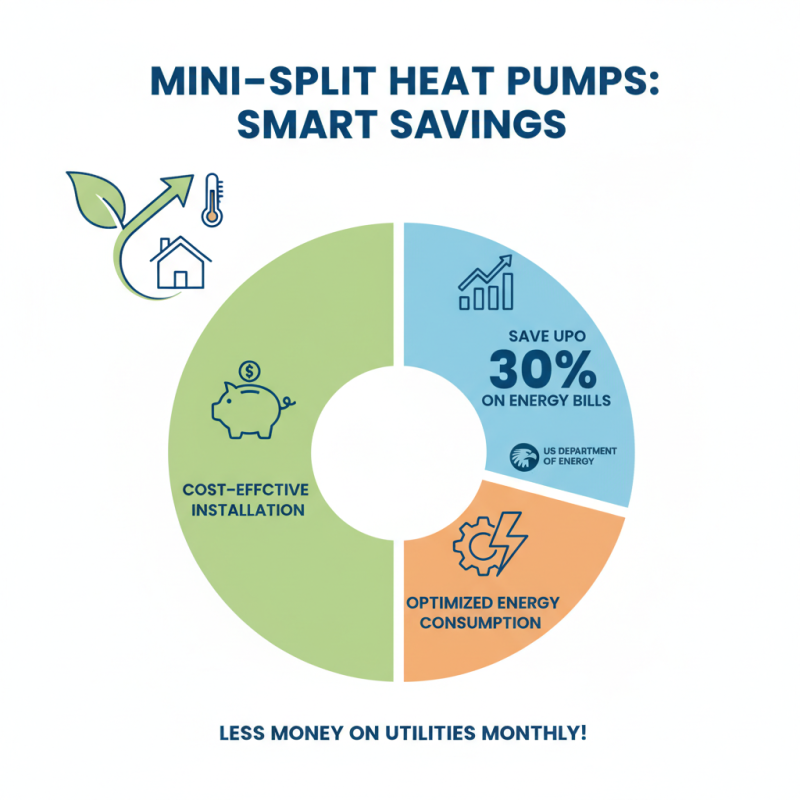
Mini split heat pumps are gaining popularity for their cost-effectiveness and long-term savings. According to the U.S. Department of Energy, these systems can save homeowners up to 30% on energy bills compared to traditional heating methods. They use advanced technology to optimize energy consumption. This means less money spent on utilities each month.
The initial investment in a mini split system can be offset by these savings. Homeowners often recoup their costs within a few years. A study by the Air Conditioning, Heating, and Refrigeration Institute shows that energy-efficient systems can yield $1,000 or more in savings over time. This makes them a smart choice for long-term housing budgets.
Tips: When considering a mini split, assess your home’s size and insulation quality. Proper installation is crucial for efficiency. Also, regular maintenance can enhance performance and longevity. Investing upfront in quality equipment and installation can lead to more significant savings down the road.