Best Heat Pump Heater Options for Global Buyers in 2026?
As the world trends towards sustainable energy solutions, the importance of the Heat Pump Heater continues to rise. These innovative systems offer a blend of efficiency and eco-friendliness. With climate change pressing on global policies, energy efficiency is more critical than ever. The Heat Pump Heater stands out as a viable option for many homeowners.
In 2026, global buyers will face various choices in the heat pump market. Understanding the technology and its applications helps consumers make informed decisions. The landscape can be confusing; numerous brands promise superior performance. It’s essential to sift through marketing claims to find reliable options.
Even with advancements, some challenges remain. Not every Heat Pump Heater performs well in all climates. The effectiveness can vary based on installation and local conditions. Buyers must consider these factors to avoid disappointment. Insight from experts reveals the need for thorough research before purchasing. Reliable reviews and customer feedback can guide the decision-making process.
Overview of Heat Pump Heaters and Their Advantages
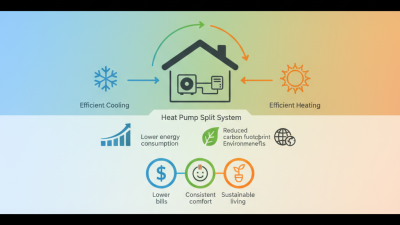
Heat pump heaters have gained traction globally due to their efficiency and eco-friendliness.
These systems work by transferring heat rather than generating it.
According to a report by the International Energy Agency (IEA), heat pumps can reduce energy consumption by up to 50% compared to traditional systems.
This efficiency translates into significant savings on energy bills for homeowners and businesses alike.
Moreover, heat pump heaters provide year-round comfort.
They can both heat and cool spaces, making them versatile for various climates.
A study by the U.S. Department of Energy highlighted this adaptability, noting that modern heat pumps efficiently operate in temperatures as low as -15°C.
However, it's essential to consider the initial installation cost, which can be higher than conventional systems.
This upfront investment might deter some buyers.
Despite the advantages, not all heat pumps are created equal.
Proper sizing and installation are critical for optimal performance.
Misleading claims about efficiency can lead to poor choices.
A careful assessment of local energy prices and climate conditions is essential for potential buyers.
Ensuring that the system meets specific needs will lead to long-term satisfaction.
Key Factors to Consider When Selecting a Heat Pump Heater
When selecting a heat pump heater, consider efficiency. Look for models with a high Seasonal Energy Efficiency Ratio (SEER). A higher rating means lower energy costs. Additionally, noise levels are crucial. Some models operate quietly, making them ideal for residential areas. However, others can be quite loud. Test a few options in a showroom if possible.
Climate is another important factor. Colder regions require more robust units. Check if the heater can operate efficiently at lower temperatures. Some models may struggle during harsh winters. Also, think about space requirements. Units vary in size and placement options, affecting installation complexity.
Finally, consider maintenance needs. Some heat pump heaters require regular servicing. Understanding these requirements can save you time and money. Always research warranties and support services. A good warranty can reflect a manufacturer's confidence in their product. Evaluate both upfront costs and long-term expenses carefully. This decision impacts your comfort and budget in the years to come.
Best Heat Pump Heater Options for Global Buyers in 2026
| Model |
Cooling Capacity (BTU) |
Heating Capacity (BTU) |
Energy Efficiency Ratio (EER) |
Seasonal Energy Efficiency Ratio (SEER) |
Noise Level (dB) |
Price Range ($) |
| Model A |
12000 |
15000 |
15 |
20 |
50 |
800 - 1200 |
| Model B |
18000 |
24000 |
14 |
19 |
55 |
1200 - 1600 |
| Model C |
24000 |
30000 |
16 |
22 |
52 |
1500 - 2000 |
| Model D |
30000 |
36000 |
17 |
24 |
57 |
1800 - 2200 |
Top Heat Pump Heater Brands for Global Consumers in 2026
As the demand for energy efficiency increases, heat pump heaters are emerging as a favorite among global consumers. Some brands stand out due to their innovative technology and reliability. Notable features include smart thermostats, which enhance temperature control, and eco-friendly refrigerants that minimize environmental impact. Consumers highly value any solution that lowers energy bills, making these units an attractive choice.
Several manufacturers offer robust options in the market. Their products often come with various capacities, catering to both residential and commercial needs. Users emphasize the importance of installation quality. Poor installation can affect performance, leading to a need for constant repairs. Maintenance requirements also differ significantly among brands; some are easier to care for than others. Consumers must reflect on their specific needs and the long-term benefits of each.
When considering heat pumps, pay attention to efficiency ratings and noise levels. Many consumers find high-efficiency models save significantly on energy costs. However, not all silent units deliver the same performance. Reflecting on your individual comfort and environmental impact is vital. The right choice balances cost, efficiency, and user experience.
Comparative Analysis of Energy Efficiency Ratings in Heat Pump Models
When considering heat pump heaters, energy efficiency is a crucial factor. The efficiency ratings indicate how much heat is generated for each unit of energy consumed. A higher rating means lower energy costs. Understanding these ratings is essential for making informed choices.
Different heat pump models exhibit varying energy efficiency ratings. Factors such as climate compatibility and installation quality impact these ratings. Some models perform well in milder climates but struggle in extreme temperatures. It's vital to evaluate specific needs based on geographical conditions. User reviews can provide insight into real-world performance, highlighting potential inefficiencies.
Moreover, regulatory changes and technological advancements can affect these ratings over time. Staying updated on the latest standards is important for buyers. Not all models are created equal, and some may not meet efficiency guidelines. Conducting thorough research will ensure that global buyers make smart investments in 2026.
Future Trends in Heat Pump Technology and Market Demand
As we move toward 2026, the heat pump market is evolving rapidly. New technologies are emerging that promise to enhance efficiency and reliability. Consumers now look for systems that not only heat but also cool spaces effectively. This dual functionality is increasingly important as climate patterns shift. There’s a growing trend towards using sustainable materials in heat pump construction. Eco-friendly options are gaining traction among environmentally conscious buyers.
Market demand is also influenced by government regulations aimed at reducing carbon emissions. Many countries are incentivizing the adoption of heat pump technology. This creates a surge in interest and investment in research and development. Designers are innovating with variable speed compressors, improving the energy efficiency of units. However, manufacturers must address the challenges of initial costs that can deter consumers from investing in heat pumps.
Consumer awareness is at an all-time high. People are researching and comparing options before making purchases. However, there’s a gap between information availability and real-world application. Not every consumer understands technical specifications. A high-efficiency rating doesn’t always translate to savings. This complexity requires more transparency from manufacturers. Buyers need reliable information to make informed decisions. The market must balance innovation with practical benefits for users.