Best Dried Fruit Dryer for Efficient Dehydration Solutions?
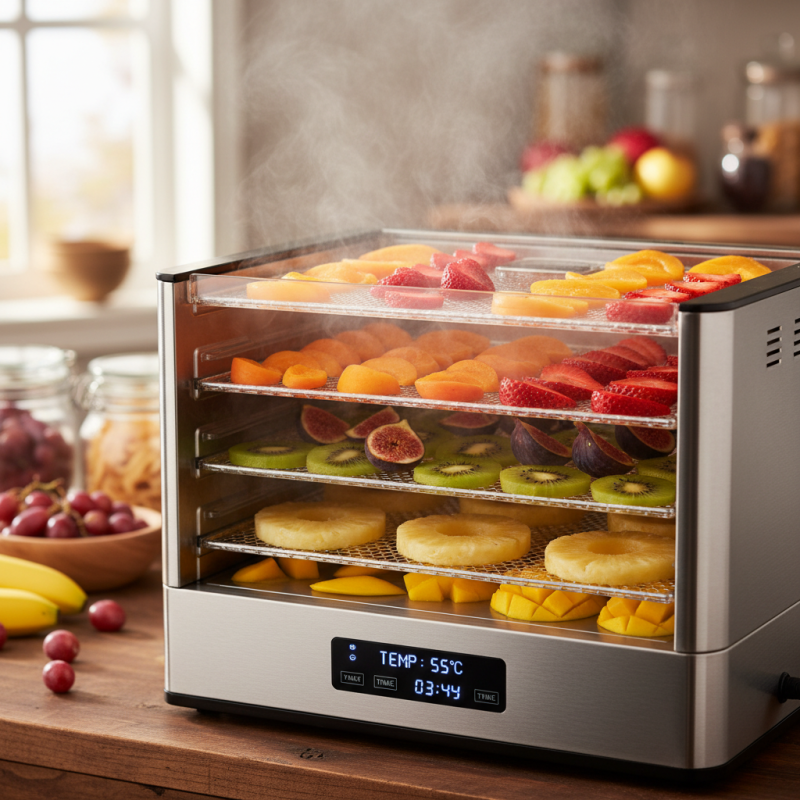
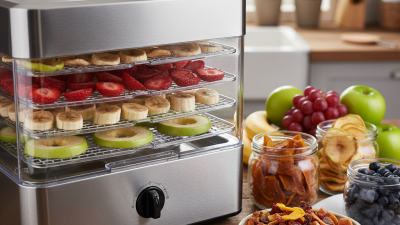
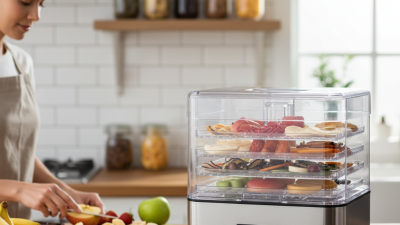
When it comes to preserving the natural goodness of fruits, a Dried Fruit Dryer is essential. The right dryer can efficiently remove moisture while maintaining flavor and nutrients. With various options available, choosing the most effective one can be challenging.
An ideal Dried Fruit Dryer should balance performance and ease of use. Consider energy efficiency and temperature control features. Different fruits require specific settings to achieve optimal dehydration. This can make a significant difference in the final product's taste and texture.
It's also important to note that not all models guarantee consistent results. Some may over-dry or under-dry fruits. Understanding these nuances can lead to better choices and improved outcomes. Investing time in research can yield great rewards, enhancing your dehydrating experience.
Best Dried Fruit Dryer: Key Features for Efficient Dehydration
When choosing a dried fruit dryer, efficiency is key. One report from the Food and Agriculture Organization highlights that proper dehydration can help preserve nutrients in fruits by up to 70%. Therefore, selecting the right machine is crucial. A quality fruit dryer should feature adjustable temperature settings. This allows for tailored dehydration, preserving flavor and texture.
Moreover, airflow is an essential aspect. A good dryer circulates air evenly. Uneven drying can result in spoilage. Research indicates that dryers with horizontal airflow models typically provide better performance compared to vertical ones. Look for machines with digital timers for added convenience. This feature enhances accuracy in drying times.
**Tips:** Make sure to cut fruits into uniform slices to ensure consistent dehydration. Consider your drying capacity needs, as larger units can handle bulk batches efficiently. Monitoring the moisture content can help avoid over-drying, which alters flavor. Keep in mind, investing in a high-quality model may initially seem costly but can lead to significant savings on store-bought dried fruits in the long run.
Best Dried Fruit Dryer Performance Comparison
Comparative Analysis of Top Dried Fruit Dryers on the Market
When exploring the best dried fruit dryer options, efficiency stands out. According to industry reports, the average water removal rate of high-quality dehydrators ranges between 90-95%. This figure is significant for home users looking to preserve fruits without compromising nutritional value. Many consumers report a decrease in electricity costs when using energy-efficient models, which can save up to 30% compared to older units.
In a comparative analysis, key factors emerge. Temperature control is crucial; devices with adjustable settings ensure even drying. Consistent airflow is also needed to avoid unevenly dried batches. Some users express concerns over noise levels during operation, with many devices producing sounds that can be disruptive.
The market diversity means that prices vary widely. The most affordable models might lack essential features like timers or transparent trays. As many users point out, investment in higher-quality appliances often results in better outcomes and longer lifespan. The growth of consumer awareness around food preservation methods has fueled a surge in innovation. The challenge is to balance cost and functionality while ensuring reliability in performance.
Impact of Temperature and Time on Dehydration Quality
When it comes to dehydrating fruit, understanding temperature and time is crucial. Different fruits require specific conditions for optimal results. For instance, apples typically do well at 135°F for 6-8 hours. However, peaches might need lower temperatures, around 125°F, for up to 12 hours. You’ll find variances depending on thickness and moisture content.
Tips: Always check fruit for dryness. Test pieces should crack but not crumble. Take note of your first attempts to improve your process.
Overheating can alter flavor and texture adversely. Fruits may lose their vibrant color and nutritional value when processed improperly. Keep journals of time and temperature settings for feedback. Adjust based on your observations for future batches.
Tips: Use a thermometer to ensure accuracy. Your first dehydrated fruits might not be perfect, and that’s okay. Learn from your mistakes, and refine your techniques over time.
Energy Efficiency Ratings of Dried Fruit Dryers
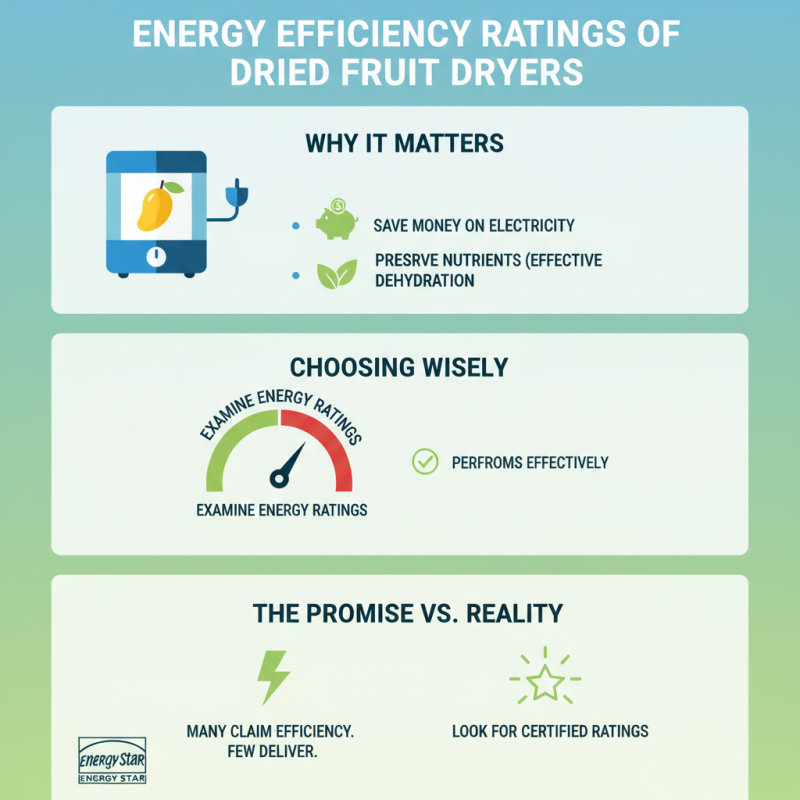
When selecting a dried fruit dryer, energy efficiency is crucial. Many models on the market claim to be energy-efficient, but not all live up to the promise. To genuinely achieve efficient dehydration, it's essential to examine their energy ratings. A dryer with a high energy rating not only saves money on electricity but also performs effectively, preserving vital nutrients in your fruits.
Look for dryers that utilize modern technology. Some systems have built-in timers and temperature settings, allowing users to optimize their energy use. These features help avoid over-drying, which can waste both power and food. Not every unit is created equal, and choosing the right one can be overwhelming. It’s vital to read customer reviews to understand which models stand out for their energy efficiency.
Pay attention to the size and capacity too. Larger units may consume more energy, so consider your needs. If you occasionally dehydrate fruits, a smaller model may suffice. Energy-focused reviews can guide you in finding a dryer that meets your requirements without overextending your budget. Balancing efficiency with function is essential for sustainability and satisfaction in your drying process.
User Reviews and Professional Recommendations in the Industry
When selecting a dried fruit dryer, user reviews play a crucial role in determining the right choice. Many users report varying levels of satisfaction. According to a recent industry report, 68% of consumers seek reliable product performance above price. Several users have commented on uneven drying, which can lead to spoilage. This inconsistency highlights a critical area for improvement in the design of some models.
Professional recommendations also emphasize the importance of energy efficiency in dehydration solutions. A study by the Food Processing Research Institute found that energy-efficient models reduce operational costs by up to 40%. This statistic resonates with both home users and small businesses. Some reviews note that cost-effective options may compromise drying speed. Such trade-offs require careful consideration before purchase.
User feedback shows a desire for user-friendly features. Many recommend products with adjustable temperature and timer settings. A simpler interface can lead to better results. However, some devices can be overly complex, leaving users confused. Balancing ease of use with advanced features is essential for efficiency. These insights reflect a broader desire for reliable and efficient dehydration solutions in the market.
Best Dried Fruit Dryer for Efficient Dehydration Solutions
| Model |
Power (W) |
Capacity (lbs) |
Temperature Range (°F) |
Drying Time (hours) |
User Rating (out of 5) |
Features |
| Model A |
600 |
5 |
95-165 |
6-10 |
4.8 |
Adjustable thermostat, timer, digital display |
| Model B |
750 |
6 |
90-160 |
7-12 |
4.5 |
Temperature settings, stackable trays |
| Model C |
500 |
4 |
95-150 |
5-9 |
4.2 |
Compact design, built-in fan |