Leave Your Message
AI Helps Write

Top 10 Benefits of Mini Split Heat Pumps for Home Heating and Cooling?

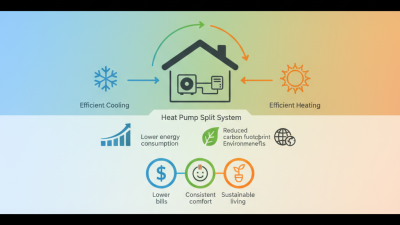
Mini Split Heat Pumps are becoming increasingly popular for home heating and cooling. They offer numerous benefits, making them a great choice for homeowners. According to John Smith, an HVAC expert, “Mini Split Heat Pumps provide flexibility and efficiency that traditional systems lack.”

These systems allow for zoned heating and cooling, ensuring comfort in every room. Unlike central systems, they do not require extensive ductwork. This makes installation simpler and often less expensive. They also save energy, which can lead to lower utility bills.

However, not every model suits every home. It’s important to assess your specific needs. While Mini Split Heat Pumps can be advantageous, they may not be the perfect solution for everyone. An informed choice will provide the best results in both comfort and efficiency.
Top 10 Benefits of Mini Split Heat Pumps for Home Heating and Cooling?

Advantages of Mini Split Heat Pumps for Efficient Home Temperature Control

Mini split heat pumps are gaining popularity for home temperature control. They provide both heating and cooling in a compact unit. One key advantage is their energy efficiency. These systems can significantly reduce energy costs, compared to traditional HVAC systems. Their ability to provide precise temperature control adds to their appeal. Homeowners often find it easier to maintain a comfortable environment year-round.

Another benefit is the flexibility in installation. Mini split units don’t require ductwork. This allows for more placement options. Homes without existing ducts can benefit greatly. Also, they are often quieter than traditional systems. However, installation does come with challenges. It requires careful planning to avoid issues later. If not done right, noise levels may increase, leading to discomfort.

Additionally, mini split heat pumps improve indoor air quality. Unlike systems that recirculate dust and allergens, these units have filters that help clean the air. This means less allergy triggers in the home. However, neglecting maintenance on the filters can lead to problems. Regular cleaning is necessary to keep them functioning properly. Overall, these systems offer practical solutions for effective home temperature management.
Energy Efficiency of Mini Split Heat Pumps Compared to Traditional Systems

Mini split heat pumps are gaining attention for their energy efficiency, especially when compared to traditional heating and cooling systems. According to the U.S. Department of Energy, mini splits can save homeowners up to 30% on energy costs. This attractive savings stems mainly from their design, which allows for zone heating and cooling. They do not require ductwork, reducing energy losses associated with traditional systems.

A study from the Lawrence Berkeley National Laboratory revealed that mini splits can achieve SEER ratings of 20 or higher. This is significantly better than many conventional air conditioning units. Higher SEER ratings mean more cooling power for each unit of energy consumed. Homeowners report that, in addition to cost savings, they enjoy better comfort levels due to precise temperature control.

However, some drawbacks exist. Installation can be more expensive upfront, creating hesitance for some homeowners. Additionally, maintenance is crucial for long-term efficiency. Neglect can lead to diminished performance over time. Despite these issues, the long-term benefits of mini split heat pumps often outweigh the initial challenges.

Zone Heating and Cooling: Customizing Climate in Individual Rooms

Mini split heat pumps provide an excellent solution for zone heating and cooling. Homeowners can customize the climate in each room based on personal preferences. This flexibility is a game changer, especially for families with varying needs. One bedroom can be cooler while the living room stays warm and cozy. This tailored approach enhances comfort.

The installation of mini splits allows for significant energy savings. Traditional systems often waste energy heating or cooling unused spaces. With mini splits, you can activate only the rooms in use, reducing costs. However, careful planning is essential. Improper placement of indoor units can lead to cold spots or inefficient heating.

These systems can pose installation challenges. Wiring and refrigerant lines need precise management. Homeowners might face a learning curve when adjusting settings. It’s important to educate everyone on system operation. Over time, the benefits often outweigh these challenges. The result is a comfortable, efficient living space tailored to individual preferences.

Top 10 Benefits of Mini Split Heat Pumps for Home Heating and Cooling

Benefit Description Potential Savings Environment Impact
Energy Efficiency Utilizes inverter technology to provide efficient temperature control. Up to 30% savings on energy bills. Reduces carbon footprint.
Zoned Heating and Cooling Allows individual room control for customized comfort. Potentially 20% savings from enhanced comfort and efficiency. Optimizes energy use across different zones.
Easy Installation Minimal ductwork reduces installation time and costs. Saves on labor and ductwork expenses. Less material waste from reduced duct installation.
Quiet Operation Most units operate quietly, enhancing comfort. Increases overall home comfort. Less noise pollution improves Living environment.
Year-Round Use Provides both heating and cooling solutions. Reduces the need for separate systems. Decreases overall energy consumption.
Improved Indoor Air Quality Filters out dust and allergens providing cleaner air. Health savings from fewer allergy-related issues. Promotes a healthier living environment.
Aesthetic Flexibility Compact design fits easily into various spaces. No extensive construction needed for aesthetics. Less architectural disruption.
Smart Technology Integration Many units are compatible with smart home systems. Reduces energy usage with automation. Encourages eco-friendly living.
Long Lifespan Typically more durable than conventional systems. Long-term savings on replacements. Sustainable choice for the environment.

Reduced Installation Costs and Flexible Location Options

When considering home heating and cooling, mini split heat pumps offer significant advantages. One of the standout benefits is the reduced installation costs. Compared to traditional HVAC systems, mini splits require less extensive ductwork. This can lead to lower labor costs and quicker installation times. Homeowners can save a considerable amount upfront. These savings can be particularly beneficial for those on a tight budget.

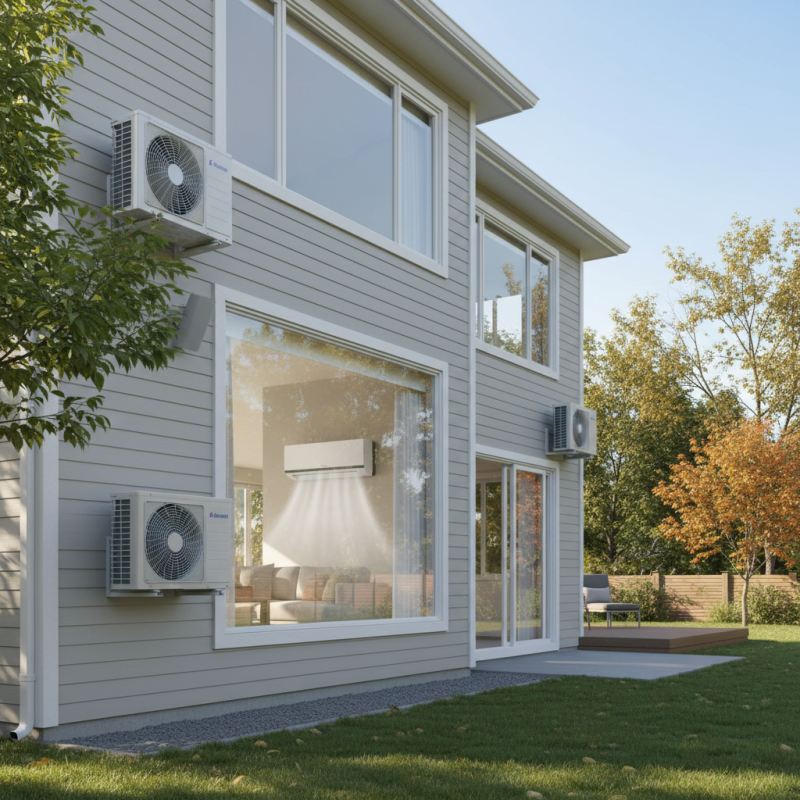
Flexibility is another critical aspect of mini split systems. They provide options for installation in various locations. You can mount them on walls, ceilings, or even floors. This adaptability allows homeowners to optimize their heating and cooling setup. It is vital to note, however, that the chosen location can impact performance. Not every space suits a mini split. The aesthetics of your home may change, too. Some may find the indoor units less appealing than traditional systems. It's essential to weigh the pros and cons carefully when deciding where to install.

Environmental Impact and Sustainability of Mini Split Heat Pumps

Top 10 Benefits of Mini Split Heat Pumps for Home Heating and Cooling?

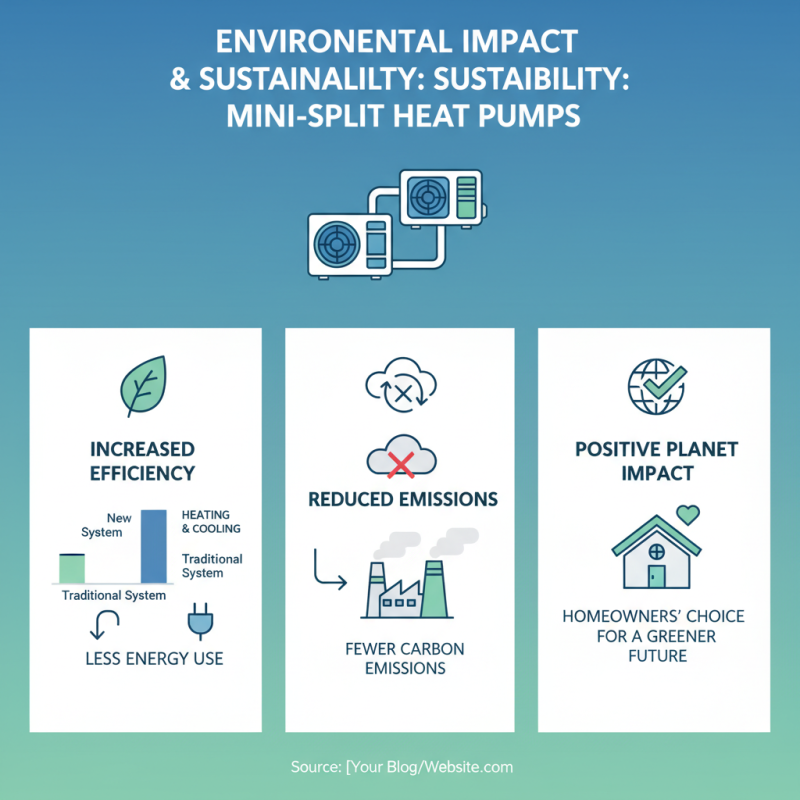
Mini split heat pumps are becoming popular due to their efficiency and flexibility. They offer significant environmental benefits. Unlike traditional systems, these heat pumps use less energy for heating and cooling. This reduction in energy use translates to fewer carbon emissions. Homeowners can positively impact the planet by choosing these systems.

These heat pumps run on electricity instead of fossil fuels. This switch helps in promoting cleaner air. A mini split system can enhance indoor air quality by filtering dust and allergens. However, many still rely on older systems. This dependence can harm our environment.

The durability of mini split heat pumps is another aspect that deserves attention. With proper maintenance, they can last a long time. But not everyone is aware of their long-term savings. Some may hesitate to invest due to upfront costs. It’s crucial to weigh the initial investment against future savings and environmental advantages. The benefits are clear, but the transition requires thought and commitment.