Top Benefits of Mini Split Heat Pumps for Efficient Home Heating 2025
In recent years, the demand for energy-efficient heating solutions has surged, positioning Mini Split Heat Pumps as a leading choice for homeowners aiming to reduce energy costs while maintaining comfort. According to the U.S. Department of Energy, heat pumps can be two to three times more efficient than traditional heating systems, leading to significant savings on utility bills. As we look towards 2025, the proliferation of Mini Split Heat Pumps presents a promising solution to energy consumption and climate concerns, supporting a more sustainable future.
Industry expert Dr. Emily Carson, a renowned HVAC specialist, emphasizes, "The versatility and efficiency of Mini Split Heat Pumps make them an essential consideration for any homeowner looking to optimize their heating systems." With their ability to operate in varying temperatures and provide both heating and cooling, Mini Split Heat Pumps stand out in today's market. Research indicates that homes equipped with these systems can experience energy savings of up to 40%, making them not only an environmentally friendly option but also a financially sound investment.
As we advance towards a more energy-conscious society, the adoption of Mini Split Heat Pumps is set to reshape home heating practices significantly. Their innovative design, coupled with cutting-edge technology, ensures that consumers are not just comfortable, but also contributing to a larger movement towards energy efficiency. By making informed choices about heating solutions, homeowners can participate in a sustainable future while enjoying the numerous benefits that Mini Split Heat Pumps provide.

Overview of Mini Split Heat Pumps and Their Functionality
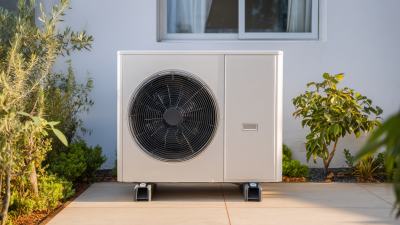
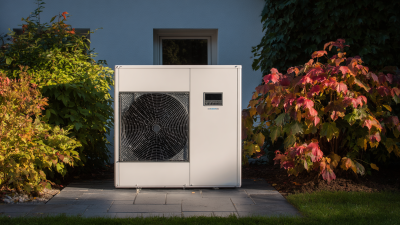
Mini split heat pumps are efficient systems designed for both heating and cooling individual spaces within a home. Unlike traditional heating systems that rely on ductwork, these systems consist of an outdoor unit that extracts or dissipates heat and one or more indoor units that distribute the conditioned air. The functionality of mini split systems lies in their ability to provide targeted temperature control, allowing homeowners to heat specific rooms as needed, which leads to substantial energy savings.
The operation of mini split heat pumps is based on the principles of refrigeration. In heating mode, the system extracts heat from outside air—even in cold temperatures—compresses it, and then releases it into the indoor environment. This not only makes them versatile for various climates but also enhances their efficiency compared to conventional electric heating methods. Moreover, most mini split systems come equipped with advanced features like programmable thermostats and variable speed compressors, which optimize performance further and contribute to more comfortable living spaces year-round.
Energy Efficiency: How Mini Split Heat Pumps Reduce Energy Consumption
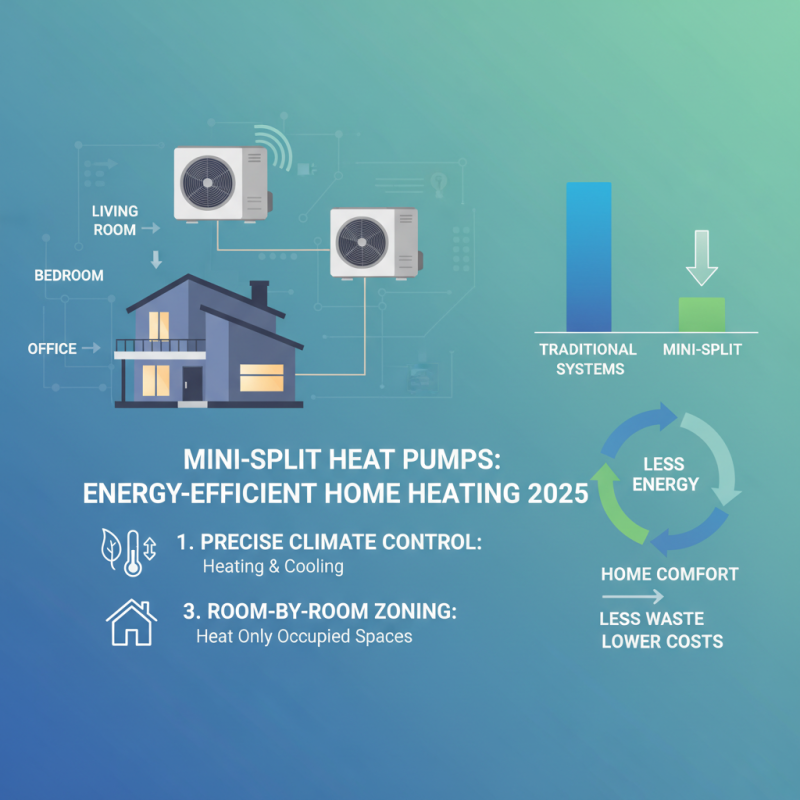
Mini split heat pumps are emerging as a leading choice for energy-efficient home heating solutions in 2025. One of the most significant advantages they offer is their remarkable energy efficiency, which translates to reduced energy consumption for homeowners. Unlike traditional heating systems, mini split heat pumps leverage both heating and cooling capabilities through advanced technology, allowing for precise temperature control in individual rooms. This zoning feature not only enhances comfort but also minimizes energy waste by enabling homeowners to heat only occupied spaces.
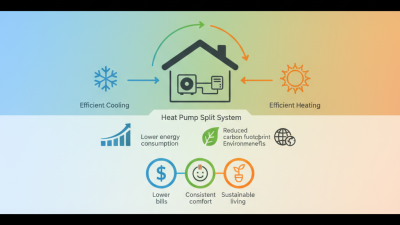
Moreover, mini split heat pumps utilize a process known as heat exchange, which significantly lowers electricity use compared to conventional electric heaters. By transferring heat from the outside air, even in colder temperatures, these systems can produce multiple units of heating power for every unit of electricity consumed. This efficiency results in lower utility bills and a reduced carbon footprint, making them an environmentally friendly option. As energy costs continue to rise, the shift towards mini split heat pumps is not just a trend but a necessary step towards sustainable living in modern homes.
Cost Savings: Financial Benefits of Installing Mini Split Heat Pumps
Installing mini split heat pumps can lead to substantial cost savings for homeowners seeking efficient heating solutions.
Traditional heating systems often require extensive ductwork, which can be both labor-intensive and expensive to install. In contrast, mini split systems have the advantage of a
ductless design, allowing for easier setup and minimizing installation costs. This can lead to immediate financial benefits, especially for those looking
to retrofit older homes without existing duct systems.
Moreover, mini split heat pumps are designed for enhanced energy efficiency, which translates to lower utility bills over time.
These systems utilize inverter technology, adjusting their output to match the specific heating needs of different rooms. By doing so, homeowners can avoid the
wasteful energy use that often accompanies conventional heating systems. Additionally, many regions offer tax incentives or rebates for installing energy-efficient systems,
further enhancing the financial appeal of mini split heat pumps. As energy costs continue to rise, investing in such systems can provide lasting savings and make for a wise long-term financial decision.
Versatility: Applications of Mini Split Heat Pumps in Home Heating
Mini split heat pumps have gained significant popularity in recent years due to their versatility in home heating applications. These systems, which consist of an indoor and outdoor unit, offer zoned heating capabilities, allowing homeowners to control the temperature in individual rooms or areas. This targeted approach not only enhances comfort but also leads to increased energy efficiency, as energy is used only in the spaces that need it most. This is particularly beneficial for larger homes where different rooms may have varying heating needs.
Another remarkable application of mini split heat pumps is their ability to provide both heating and cooling solutions. During colder months, these systems efficiently extract heat from the outside air and transfer it indoors, while in warmer months, they operate in reverse to cool down living spaces. This dual functionality makes mini split heat pumps a year-round solution, ideal for homes in regions with fluctuating temperatures. Furthermore, their compact size allows for flexible installation options, including wall-mounted or ceiling-recessed units, making them suitable for homes with limited space or unique architectural designs.
Top Benefits of Mini Split Heat Pumps for Efficient Home Heating 2025
| Benefit |
Description |
Applications |
Efficiency Rating |
| Energy Efficiency |
Uses less energy compared to traditional heating methods. |
Single-family homes, apartments. |
SEER 20+ |
| Zoning Capability |
Allows for temperature control in different areas of the home. |
Multi-room residences, home offices. |
SEER 18+ |
| Noise Reduction |
Operates quietly, providing a comfortable environment. |
Bedrooms, libraries. |
Less than 30 dB |
| Installation Flexibility |
Can be installed in various locations without ductwork. |
Historic homes, additions. |
N/A |
| Heating and Cooling |
Provides both heating in winter and cooling in summer. |
Year-round temperature management. |
HSPF 10+ |
Environmental Impact: Reducing Carbon Footprint with Mini Split Systems
Mini split heat pumps are rapidly becoming a preferred choice for homeowners seeking efficient heating solutions while significantly reducing their carbon footprint. According to the U.S. Department of Energy, mini split systems can achieve efficiency ratings of up to 30 SEER (Seasonal Energy Efficiency Ratio), which is substantially higher than traditional heating systems. This enhanced efficiency not only translates to lower energy bills but also means reduced greenhouse gas emissions. For instance, by switching to a mini split system, a household can decrease its carbon emissions by over 40% compared to conventional electric heating methods, making a significant positive impact on the environment.
Moreover, mini splits utilize a refrigerant that has a lower global warming potential (GWP) compared to traditional heating systems. The newer models, which comply with the latest environmental standards, are designed to minimize their impact on climate change. As reported by the International Energy Agency, adopting efficient technologies like mini split heat pumps can result in a collective reduction of up to 60 million tons of CO2 emissions annually in the residential sector alone. This transition is vital as countries strive to meet their climate goals, showcasing how innovative heating solutions can align with global sustainability efforts while providing effective home comfort.