Top 5 Benefits of Inverter Heat Pumps for Energy Efficiency and Comfort
In recent years, the HVAC industry has witnessed a significant transformation with the advent of inverter heat pumps, which have become a cornerstone for achieving enhanced energy efficiency and comfort in homes. According to Dr. Emily Morris, a leading expert in thermal energy systems, "Inverter heat pumps are revolutionizing how we approach heating and cooling, enabling us to adapt to changing conditions while minimizing energy use." This statement encapsulates the fundamental shift that inverter heat pump technology represents, emphasizing its potential to optimize energy consumption while ensuring year-round comfort.
As energy costs continue to rise and the demand for sustainable practices increases, consumers are looking for innovative solutions that not only reduce their environmental footprint but also provide reliable heating and cooling. Inverter heat pumps stand out as an ideal choice, offering a range of benefits that make them appealing for both homeowners and commercial spaces. In the following sections, we will explore the top five benefits of inverter heat pumps, revealing how this advanced technology enhances personal comfort while contributing to a more energy-efficient future.

Overview of Inverter Heat Pumps and Their Functionality
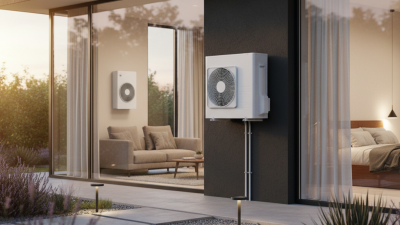
Inverter heat pumps have emerged as a revolutionary technology in the HVAC (Heating, Ventilation, and Air Conditioning) industry, significantly enhancing energy efficiency and overall comfort in residential and commercial settings. Unlike traditional heat pumps, inverter heat pumps utilize a variable-speed compressor that automatically adjusts its capacity in response to the heating or cooling demand. According to a report by the International Energy Agency (IEA), inverter heat pumps can achieve energy savings of 30% to 50% compared to conventional systems, leading to reduced utility bills and a lower carbon footprint.
The functionality of inverter heat pumps is rooted in their ability to operate continuously at different speeds, ensuring that the indoor environment remains stable and comfortable. As the temperature fluctuates, the inverter technology allows the compressor to modulate its output, minimizing energy waste and enhancing user comfort. The U.S. Department of Energy highlights that inverter heat pumps not only provide more consistent temperatures but also enable faster heating and cooling cycles, making them ideal for varying climate conditions. This adaptability, combined with the reduced consumption of energy, positions inverter heat pumps as a crucial component in sustainable building design and energy conservation strategies.
Top 5 Benefits of Inverter Heat Pumps
The following chart illustrates the key benefits of inverter heat pumps in terms of energy efficiency and comfort level compared to traditional heating systems.
Energy Efficiency Advantages of Inverter Heat Pumps
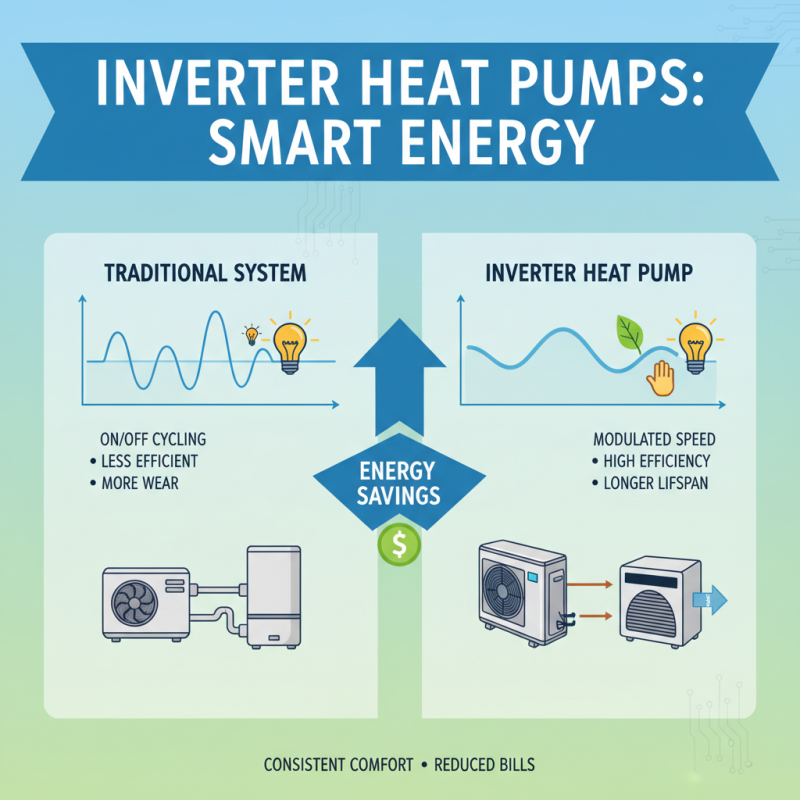
Inverter heat pumps have gained significant attention for their remarkable energy efficiency, making them a smart choice for both residential and commercial applications. Unlike traditional heating and cooling systems, inverter heat pumps can vary their speed according to the temperature demands of a space. This modulation allows them to operate more efficiently, consuming less energy overall. By adjusting the compressor's speed, inverter heat pumps can maintain a consistent indoor climate without the frequent on-and-off cycling that characterizes conventional systems. This not only leads to lower energy bills but also reduces wear and tear on the equipment, ultimately extending its lifespan.
Furthermore, the energy efficiency advantages of inverter heat pumps contribute to a smaller carbon footprint. By utilizing less electricity, these systems decrease the demand on power plants, which often rely on fossil fuels. Additionally, inverter heat pumps are capable of providing both heating and cooling, making them a versatile solution for year-round comfort while maximizing energy savings. The clever integration of technology allows users to create a more comfortable living environment, with stable temperatures and lower energy consumption, enhancing both comfort and sustainability in everyday life.
Enhancing Indoor Comfort with Inverter Technology
Inverter technology has revolutionized the way we experience indoor climate control, providing a seamless blend of energy efficiency and enhanced comfort. Unlike traditional systems that operate at a fixed speed, inverter heat pumps adjust their compressor speed according to the indoor temperature. This means the system can respond more dynamically to changing conditions, reducing energy waste and maintaining a consistent temperature throughout the space.
The benefits of this technology extend beyond mere energy savings. By continuously modulating their output, inverter heat pumps minimize temperature fluctuations, resulting in a more stable and comfortable indoor environment. This is particularly important for households with sensitive occupants, such as children and the elderly, who may be more affected by extreme temperature variations. Moreover, inverter systems tend to operate more quietly, further enhancing comfort levels by reducing background noise while effectively heating or cooling the space. This harmonious balance of efficiency and comfort positions inverter heat pumps as an ideal solution for modern living spaces.
Cost Savings: Long-Term Financial Benefits of Inverter Heat Pumps
Inverter heat pumps are rapidly gaining recognition for their remarkable energy efficiency and potential for significant cost savings. According to a report by the International Energy Agency (IEA), inverter heat pumps can reduce energy consumption for heating and cooling by up to 30% compared to traditional systems. This reduction not only leads to lower monthly utility bills but also decreases the overall carbon footprint of a household. The initial investment cost is often recouped within a few years, making them a sound long-term financial decision for homeowners.
Furthermore, the ability of inverter heat pumps to modulate their output based on real-time temperature needs ensures optimal energy use without compromising comfort. The U.S. Department of Energy states that these systems maintain more consistent indoor temperatures, thus enhancing overall comfort levels. This implies fewer temperature fluctuations, which can lead to less wear and tear on the system, further extending its lifespan and minimizing repair costs over time.
Tips: When considering the installation of inverter heat pumps, look for models with high Seasonal Energy Efficiency Ratios (SEER) and Heating Seasonal Performance Factors (HSPF), as these ratings indicate superior efficiency. Additionally, regular maintenance can significantly enhance the performance of your heat pump, ensuring it operates at peak efficiency. Always consult with a professional to assess the specific energy needs of your home, as proper sizing is critical for maximizing the benefits of these advanced systems.
Environmental Impact and Sustainability of Inverter Heat Pumps
Inverter heat pumps play a significant role in promoting environmental sustainability due to their energy-efficient operation. Unlike traditional heating systems, inverter heat pumps can modulate their output based on the specific heating or cooling demand of a space. This adaptability not only reduces energy consumption but also lowers greenhouse gas emissions. By utilizing renewable energy sources and reducing reliance on fossil fuels, inverter heat pumps contribute to a significant decrease in the carbon footprint associated with heating and cooling systems.
Furthermore, inverter heat pumps enhance sustainability through their longer lifespan and lower maintenance requirements compared to conventional systems. Their efficient design means they operate more reliably and with fewer components that may require frequent replacement. This durability translates to less waste and reduced resource consumption over time, aligning with sustainable practices. As more individuals and organizations prioritize environmental responsibility, the adoption of inverter heat pumps becomes a vital step toward achieving long-term energy efficiency and reducing overall environmental impact.