
Leave Your Message
 In recent years, the demand for energy-efficient heating solutions has surged, leading to the widespread adoption of advanced technologies like the Inverter Heat Pump. This innovative system not only optimizes energy consumption but also enhances comfort levels in residential and commercial spaces. Understanding the myriad benefits of Inverter Heat Pumps is crucial for homeowners and businesses looking to reduce energy costs and environmental impact.
Unlike traditional heating systems, Inverter Heat Pumps can adjust their output to match the specific heating or cooling needs of a space, leading to significant energy savings. Furthermore, their ability to operate in diverse weather conditions makes them a versatile choice for year-round climate control. In this article, we will delve into the advantages of Inverter Heat Pumps, explore their efficient mechanisms, and provide practical insights on how to choose and implement them for maximum energy efficiency.
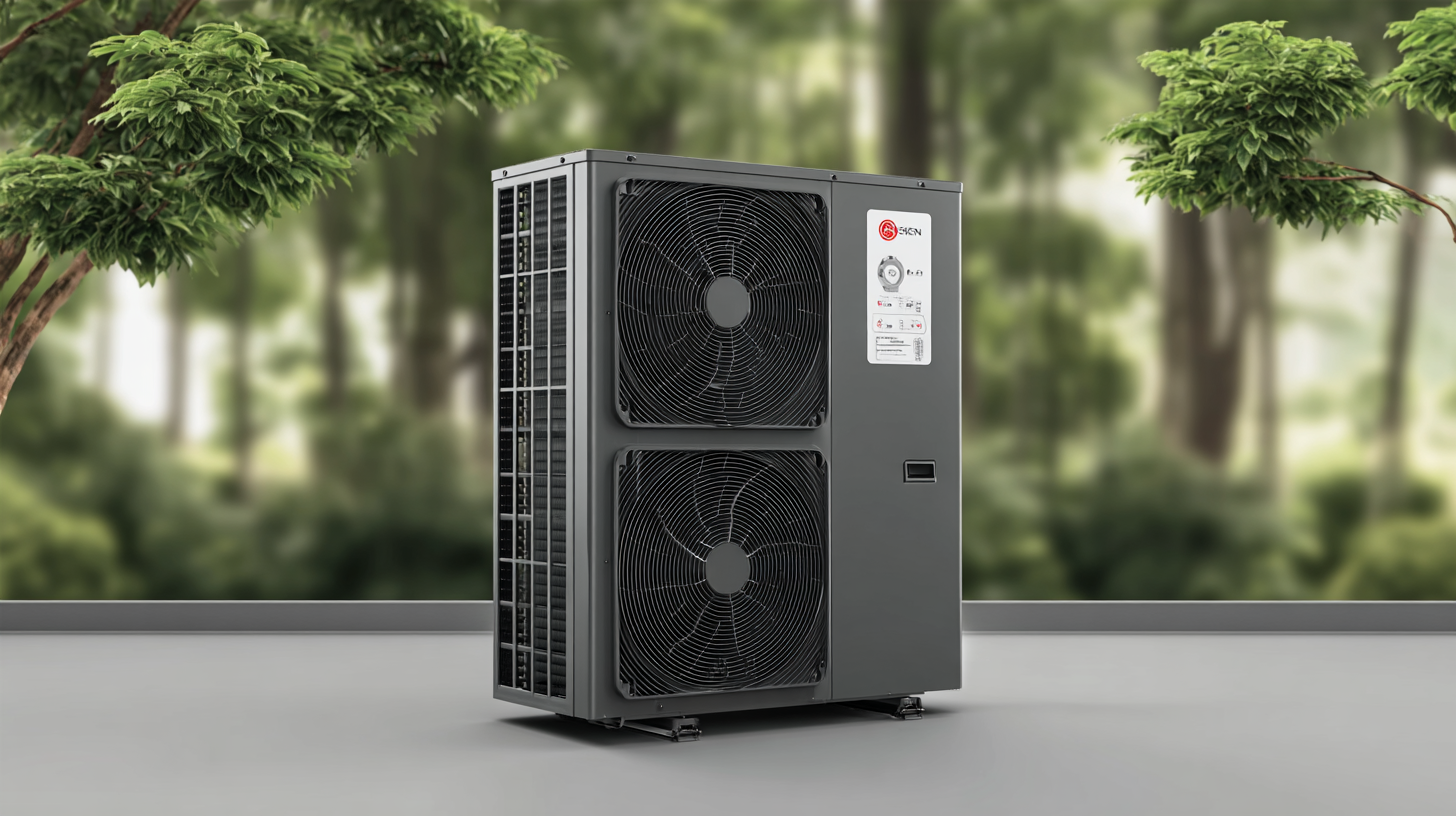 Inverter heat pumps are transforming the way we approach energy efficiency in our homes. By utilizing variable-speed technology, these systems can adjust their output to match the heating or cooling demands of a home more precisely than traditional systems. This adaptability not only leads to enhanced comfort but also significant energy savings. According to recent analyses, transitioning from gas furnaces to heat pumps can substantially reduce climate pollution across the continental U.S. This highlights their pivotal role in mitigating environmental impacts while promoting a more sustainable lifestyle.
Tips for Maximizing Energy Efficiency with Inverter Heat Pumps:
1. Regular maintenance is key—ensure filters are clean and systems are serviced annually to maintain optimal performance.
2. Consider integrating smart technologies that monitor energy consumption, allowing for real-time adjustments to improve efficiency further.
As inverter heat pumps gain popularity, particularly in regions with extreme weather, consumers can feel confident investing in this technology. The enhanced flexibility and efficiency they offer make them a smart choice for anyone looking to reduce their carbon footprint while enjoying reliable temperature control in their homes.

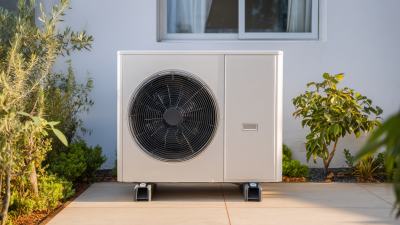
 Inverter heat pumps have emerged as a leading solution for homeowners seeking long-term cost benefits while enhancing energy efficiency. Unlike traditional heating systems, inverter heat pumps adjust their speed based on real-time demand, allowing for precise temperature control and reduced energy consumption. This adaptability translates into