Top 10 Benefits of Heat Pump Heaters for Home Heating Solutions
In recent years, the demand for efficient and sustainable home heating solutions has driven homeowners to explore innovative technologies that lower energy costs and reduce environmental impact. Among these solutions, the Heat Pump Heater has emerged as a frontrunner, offering a range of benefits that make it an attractive option for residential heating needs. This versatile system not only provides reliable warmth during the colder months but also serves as an efficient cooling solution in the summer, highlighting its year-round utility.
The advantages of Heat Pump Heaters extend beyond mere temperature control; they contribute significantly to energy savings and environmental sustainability. By transferring heat rather than generating it through combustion, these systems can reduce energy consumption and, in turn, lower greenhouse gas emissions. Furthermore, advancements in heat pump technology have made these systems more efficient than ever, allowing homeowners to enjoy enhanced comfort without compromising on eco-friendliness. In this article, we will delve into the top 10 benefits of Heat Pump Heaters, showcasing why they are becoming a preferred choice for home heating solutions.
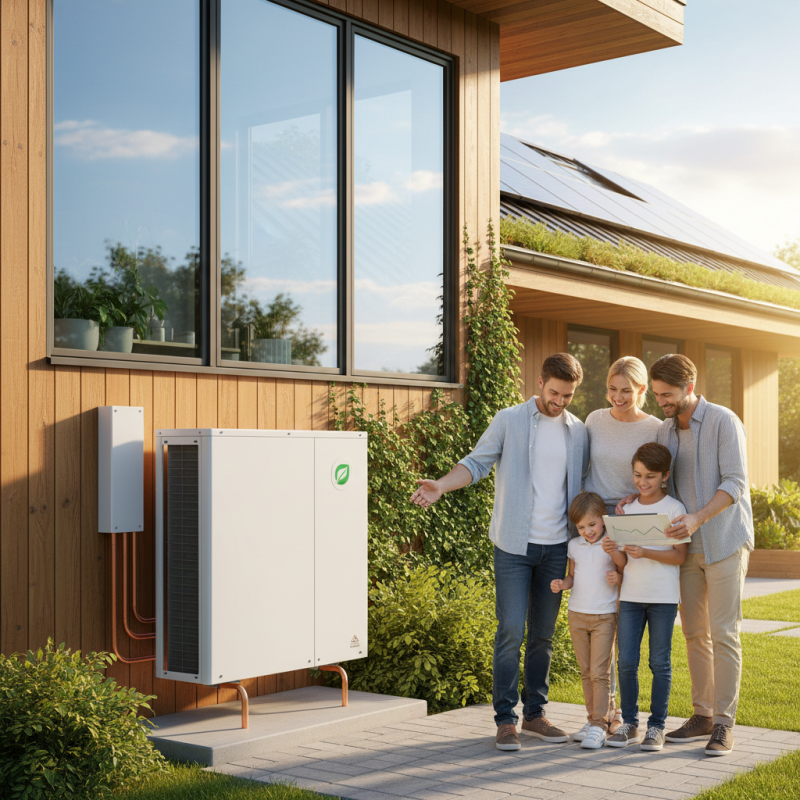
Understanding Heat Pump Heaters: A Comprehensive Overview
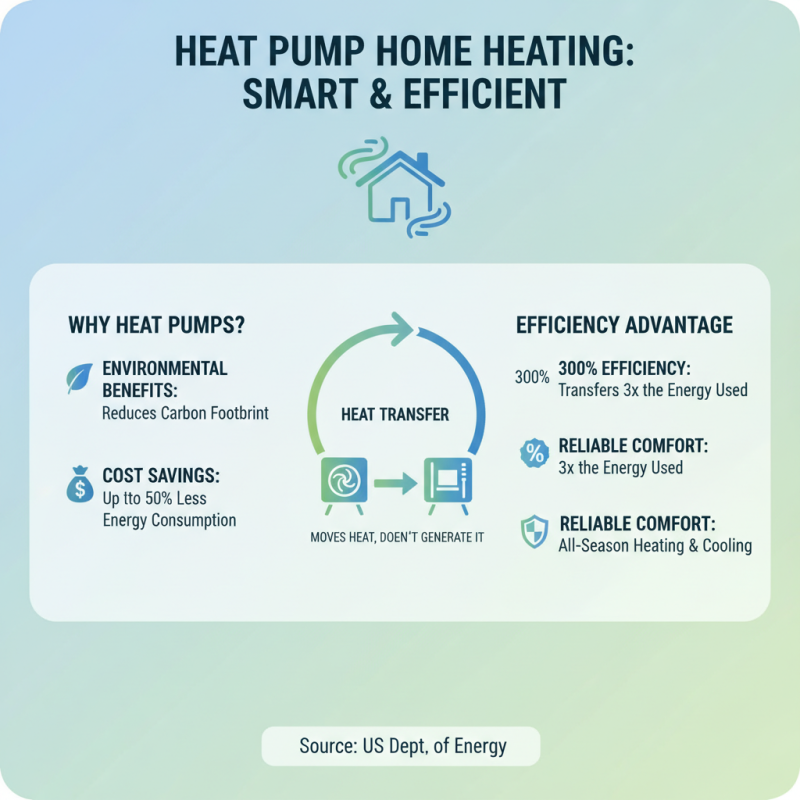
Heat pump heaters are becoming increasingly popular for residential heating solutions due to their remarkable efficiency and environmental benefits. Unlike traditional heating systems that generate heat by burning fuel, heat pumps transfer heat from the air or ground, achieving efficiencies of up to 300%. According to the U.S. Department of Energy, modern heat pump systems can reduce energy consumption for heating by 50% compared to electric resistance heating. This efficiency translates into significant cost savings on energy bills, making heat pumps a smart choice for homeowners looking to minimize their environmental footprint while maximizing comfort.
Additionally, heat pump heaters offer versatility that few other heating systems can match. They can provide both heating and cooling, making them ideal for regions with varying climate conditions. A report from the International Energy Agency (IEA) notes that heat pumps have the potential to cut global CO2 emissions from residential heating by up to 60% by 2030 if adopted widely. This highlights the role heat pump technology can play in addressing climate change while providing reliable and effective heating solutions for homes. With advancements in technology and increased awareness of their benefits, heat pumps are poised to become a cornerstone of sustainable home heating.
Energy Efficiency: How Heat Pumps Reduce Energy Consumption
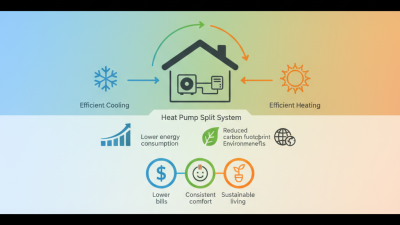
Heat pumps have emerged as a smart alternative for home heating solutions, primarily due to their remarkable energy efficiency. Unlike traditional heating systems that generate heat through combustion, heat pumps transfer heat from one place to another, essentially moving warm air inside during winter months and offering cooling in summer. This dual functionality means that heat pumps can significantly lower energy consumption, translating into reduced utility bills for homeowners.
One of the key benefits of heat pumps is their ability to convert a small amount of energy to move a larger amount of heat. For instance, for every unit of electricity consumed, a heat pump can produce several units of heating or cooling. This high coefficient of performance means that homeowners can enjoy comfortable indoor temperatures while using significantly less energy compared to conventional systems. Additionally, the integration of advanced technologies in heat pumps, such as variable speed compressors and smart thermostats, enhances their performance, allowing for even greater efficiency and adaptability to varying heating demands throughout the day. As a result, investing in a heat pump not only lowers energy consumption but also contributes to a more sustainable and eco-friendly living environment.
Top 10 Benefits of Heat Pump Heaters for Home Heating Solutions
| Benefit |
Description |
Energy Savings (%) |
Environmental Impact |
| Energy Efficiency |
Heat pumps move heat instead of generating it, leading to lower energy consumption. |
30-50% |
Reduced CO2 emissions |
| Cost Savings |
Lower utility bills since heat pumps use less energy. |
20-40% |
Less fossil fuel use |
| Versatility |
Can provide both heating and cooling for year-round comfort. |
- |
Balanced indoor climate |
| Low Maintenance |
Fewer moving parts than traditional heating systems, leading to lower maintenance costs. |
- |
Less waste generated |
| Increased Home Value |
Homes equipped with energy-efficient systems often have a higher market value. |
- |
Encourages sustainable living |
| Quiet Operation |
Heat pumps operate more quietly than traditional heating systems. |
- |
Improved quality of life |
| Compact Design |
Space-saving technology that fits in smaller homes. |
- |
Maximized living space |
| Safety |
Lower risk of fire hazards compared to fossil fuel heating systems. |
- |
Safer homes |
| Government Incentives |
Many regions offer rebates or tax credits for installing energy-efficient systems. |
- |
Encourages adoption of green technology |
| Improved Air Quality |
Heat pumps can lead to better indoor air quality by reducing humidity and preventing mold. |
- |
Healthier living environment |
Environmental Impact: Benefits of Heat Pumps for Sustainability
Heat pumps represent a revolutionary approach to home heating that significantly minimizes environmental impact. By transferring heat rather than generating it through combustion, these systems require much less energy to operate compared to traditional heating methods. This energy efficiency not only translates into lower energy bills for homeowners but also leads to a substantial reduction in greenhouse gas emissions. As society increasingly seeks sustainable solutions to combat climate change, the widespread adoption of heat pumps stands out as a practical method to enhance energy conservation.
Moreover, heat pumps utilize renewable energy sources, such as air, ground, or water, to provide comfortable indoor environments. This pivot to renewable energy not only lessens reliance on fossil fuels but also promotes ecological balance. By integrating heat pumps into residential heating solutions, households can significantly lower their carbon footprint. As governments and communities focus on achieving sustainability targets, the environmental benefits of heat pumps are both timely and critical. Their ability to create a cleaner, greener future showcases how technological advancement can align with ecological responsibility, making them an essential component in the transition towards sustainable living.
Cost Savings: Long-term Financial Benefits of Using Heat Pumps
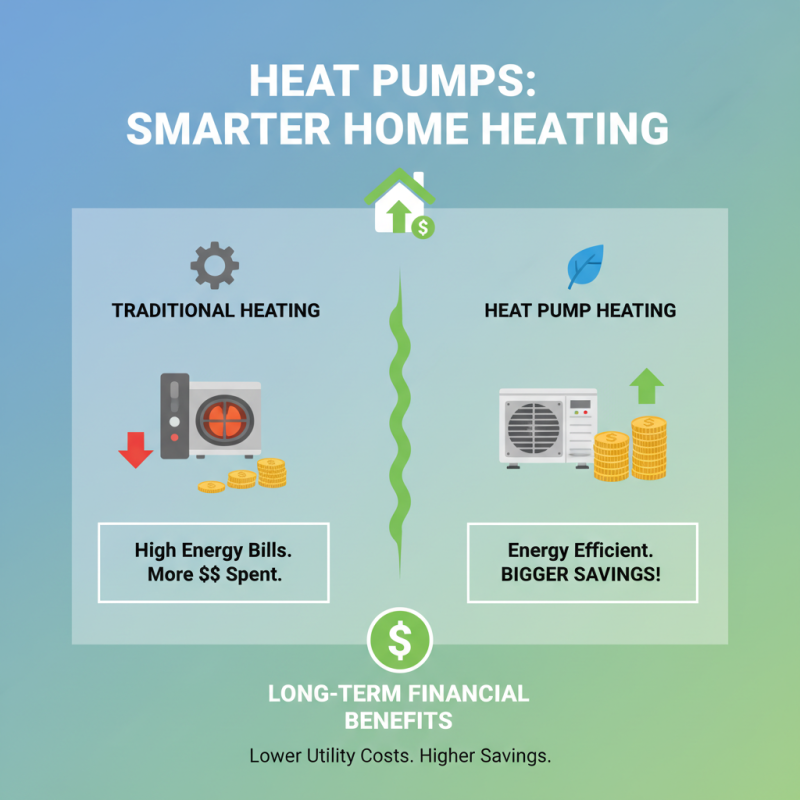
Heat pumps have emerged as a popular choice for home heating solutions, largely due to their impressive long-term financial benefits. One of the most compelling advantages of heat pump heaters is their energy efficiency. Compared to traditional heating systems, heat pumps can transfer heat from the outside air or ground to your home using significantly less electricity. This efficiency translates into lower utility bills over time, allowing homeowners to enjoy substantial cost savings.
Another crucial financial benefit of heat pumps is their potential to qualify for various incentives and rebates. Many regions offer financial assistance programs that incentivize the adoption of energy-efficient technologies. Homeowners who invest in heat pumps may find themselves eligible for tax credits or utility rebates, further enhancing their long-term savings. Additionally, because heat pumps can also provide cooling in summer months, they can replace multiple systems, reducing maintenance costs and extending the lifespan of your overall home heating and cooling solutions. With these considerations, the investment in heat pump technology can lead to significant financial advantages over the lifespan of the system.
Versatility: Heat Pumps for Heating, Cooling, and Hot Water Needs
Heat pump heaters are gaining popularity not only for their efficiency in home heating but also for their remarkable versatility.
These systems can efficiently provide heating, cooling, and hot water, making them a multi-functional option for homeowners.
With just one appliance, you can maintain a comfortable indoor climate throughout the year, regardless of the weather outside.
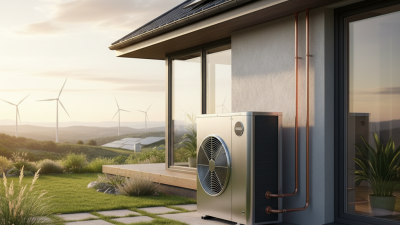
During colder months, heat pumps extract heat from the outdoor air and transfer it indoors, while in the summer, they reverse the process to provide cooling.
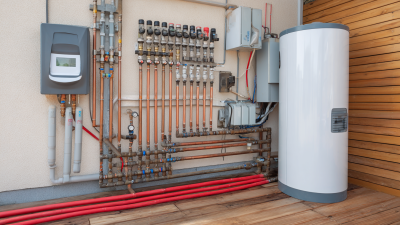
Additionally, many models can heat water for daily use, eliminating the need for separate water heating systems.
When considering a heat pump system, it's essential to assess your particular heating and cooling requirements.
Tip: Ensure that the heat pump is appropriately sized for your home to maximize efficiency and comfort.
An undersized heat pump may struggle to maintain temperature, while an oversized unit can lead to unnecessary energy consumption and increased costs.
Another important aspect to consider is the installation and maintenance of your heat pump.
Regular check-ups and timely repairs can ensure optimal performance and longevity.
Tip: Schedule annual maintenance inspections to keep your system running smoothly.
This proactive approach can help identify potential issues early, ensuring your home remains a comfortable retreat year-round.