Unlocking Energy Efficiency: How Air Source Heat Pumps Can Reduce Your Home’s Carbon Footprint by 75%
In the quest for sustainable living, reducing carbon footprints has become a paramount objective for homeowners seeking eco-friendly solutions. According to a recent report by the International Energy Agency (IEA), the transition to renewable energy sources could enable a reduction in global CO2 emissions by nearly 70% by 2050. Among the innovative technologies available, Air Source Heat Pumps stand out as a particularly effective solution, capable of reducing a household’s carbon emissions by up to 75%. These systems extract heat from the outside air, even in cold climates, providing an energy-efficient alternative to traditional heating methods while lowering energy bills. As we look for ways to combat climate change, integrating Air Source Heat Pumps into residential settings not only enhances energy efficiency but also contributes significantly to the global effort of achieving net-zero emissions, paving the way for a greener future.

Understanding Air Source Heat Pumps and Their Functionality
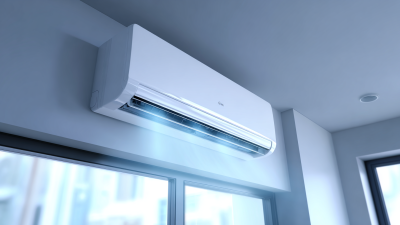
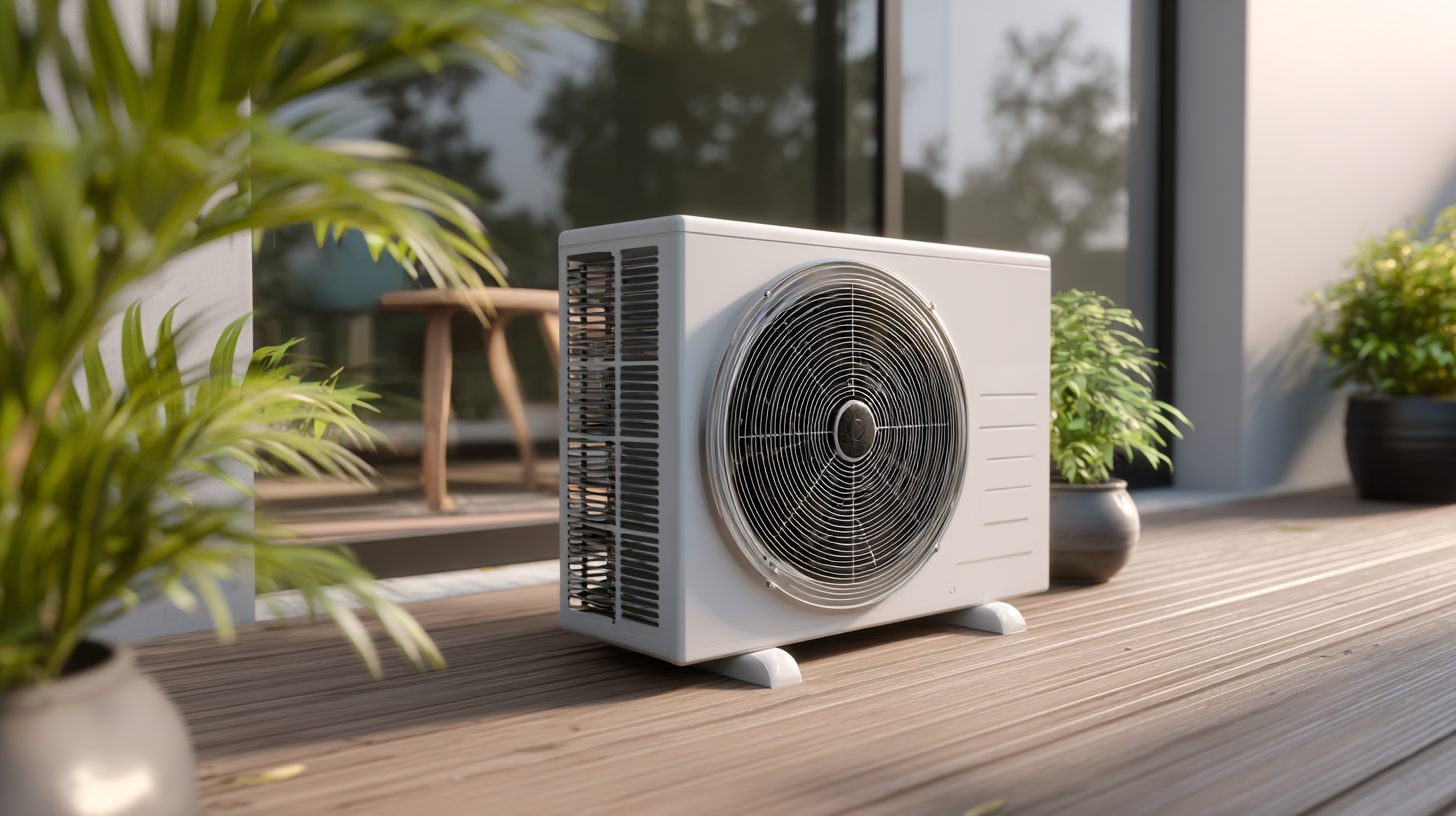 Air source heat pumps (ASHPs) are an innovative technology that harnesses ambient air to provide heating and cooling for homes. Functioning on a principle similar to that of refrigerators, ASHPs extract heat from the outdoor air, even in low temperatures, and transfer it indoors to warm spaces or supply hot water. According to the U.S. Department of Energy, ASHPs can achieve efficiencies of 300-400%, meaning for every unit of electricity consumed, three to four units of heat are delivered. This remarkable efficiency significantly reduces the need for fossil fuels in residential heating, leading to a substantial decrease in carbon emissions.
In terms of energy consumption, the Carbon Trust indicates that homes utilizing ASHPs can reduce their carbon footprint by up to 75% compared to traditional heating methods, such as gas or oil furnaces. Furthermore, a study by the International Energy Agency forecasts that if ASHPs are widely adopted, they could help reduce global greenhouse gas emissions from buildings by as much as 2.6 gigatons by 2040. This technology not only supports the transition to greener energy systems but also stands to save homeowners significant costs on energy bills, making it an attractive option for environmentally-conscious consumers.
Evaluating the Energy Efficiency Benefits of Heat Pumps
The evaluation of energy efficiency benefits of heat pumps in residential buildings has gained importance as these systems become more mainstream. Recent studies emphasize the need for effective performance monitoring to ensure that heat pumps operate at their optimal efficiency. By using real operational data, researchers can better understand the actual energy savings and carbon footprint reductions achieved through these systems. This analysis supports the implementation of heat pumps as a viable solution for addressing the increasing energy demands of residential heating while minimizing environmental impacts.
In line with these developments, various initiatives, such as government-funded programs and training weeks, aim to promote energy efficiency and the adoption of heat pumps. Innovative funding mechanisms and supportive policy frameworks are critical in driving the transition toward cleaner heating technologies. Furthermore, the assessment of utility from live data streams in buildings highlights how digital improvements can lead to superior energy management practices. As the push for reduced emissions continues, the role of heat pumps in creating sustainable residential environments becomes increasingly vital.
Unlocking Energy Efficiency: How Air Source Heat Pumps Can Reduce Your Home’s Carbon Footprint by 75%
| Feature |
Traditional Heating Systems |
Air Source Heat Pumps |
| Energy Efficiency (COP) |
2.0 - 3.0 |
3.0 - 5.0 |
| Typical Carbon Emissions (kg CO2/year) |
4,000 - 5,000 |
1,000 - 1,200 |
| Heating Cost ($/year) |
1,200 - 2,000 |
600 - 1,000 |
| Installation Cost ($) |
3,000 - 8,000 |
4,500 - 10,000 |
| Average Lifespan (years) |
15 - 20 |
15 - 25 |
Steps to Reduce Your Home's Carbon Footprint with Heat Pumps
Air source heat pumps (ASHPs) are quickly gaining traction as an effective solution for homeowners aiming to reduce their carbon footprint. According to the International Energy Agency (IEA), buildings contribute nearly 30% of global CO2 emissions, making energy-efficient heating a vital area for improvement. By utilizing renewable energy from the air, ASHPs can lower greenhouse gas emissions by up to 75% compared to traditional heating systems. This significant reduction in emissions not only contributes to a healthier planet but also aligns with the growing demand for sustainable living solutions.
To maximize the benefits of ASHPs, homeowners can take several practical steps. First, ensuring proper insulation in the home significantly enhances the heat pump’s efficiency. The U.S. Department of Energy highlights that adding insulation can reduce heating and cooling needs by up to 30%. Additionally, regular maintenance of the heat pump can ensure optimal performance and longevity. Finally, integrating smart thermostats can help monitor and adjust energy usage, further decreasing emissions. With these strategies in place, homeowners can drastically minimize their carbon footprint while enjoying the cost-saving benefits of modern heating technology.
Choosing the Right Air Source Heat Pump for Your Home
Choosing the right air source heat pump (ASHP) for your home is crucial to maximizing energy efficiency and minimizing your carbon footprint. According to the Carbon Trust, replacing conventional heating methods with an air source heat pump can reduce carbon emissions by up to 75%. However, not all heat pumps are created equal, and factors such as size, efficiency ratings, and installation quality can significantly impact performance.
When selecting an ASHP, consider the Seasonal Coefficient of Performance (SCOP) rating, which indicates how efficiently the system will operate throughout the year. A higher SCOP means better efficiency, potentially leading to savings on your energy bills. Research shows that heat pumps with SCOP ratings above 4.0 are considered high-efficiency systems, making them ideal for colder climates as well.
**Tips:**
1. Assess the size of your home to determine the capacity needed; oversized units can lead to inefficiency and higher costs.
2. Look for models with advanced features like variable speed compressors for better temperature control and lower energy consumption.
By taking these factors into account, you can ensure that your investment in an air source heat pump will not only help reduce your environmental impact but also enhance your home’s comfort and energy savings.
Energy Efficiency Comparison: Air Source Heat Pumps vs. Traditional Heating Systems
Common Misconceptions About Heat Pumps and Energy Savings
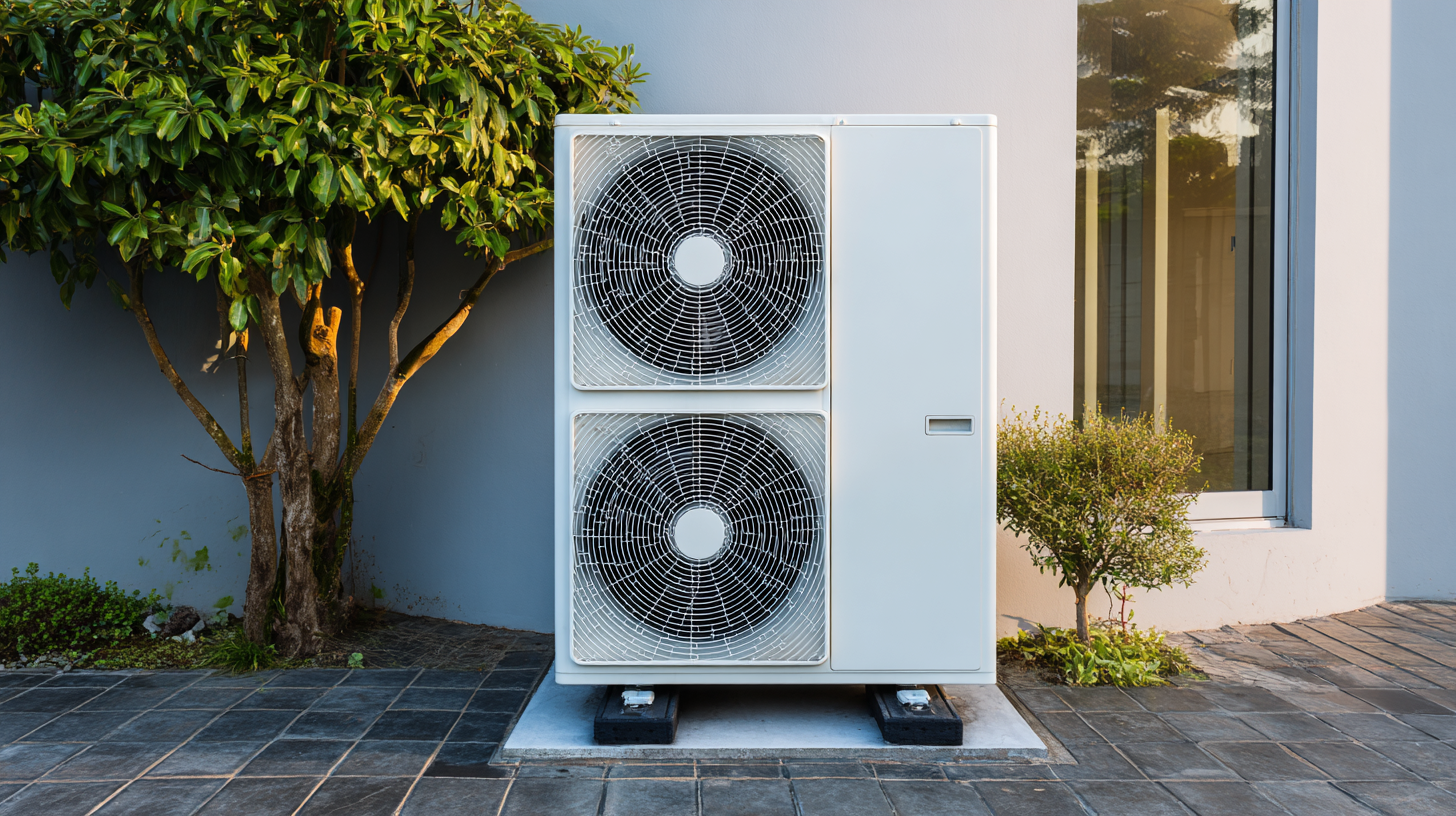 Air source heat pumps (ASHPs) are gaining attention as a viable solution for reducing carbon footprints, yet many misconceptions still hinder their adoption. Recent surveys highlight that a significant number of potential users harbor doubts rooted in misinformation about heat pump efficiency and performance. For instance, some believe that heat pumps work poorly in colder climates, a notion that is increasingly being debunked by experts who emphasize their efficiency across a range of temperatures.
Tip: Homeowners should seek reliable resources and consult with certified professionals to gain a clearer perspective on how heat pumps operate and their environmental benefits. Additionally, community initiatives aimed at educating the public can play a crucial role in dismantling myths.
Tip: If you're considering an ASHP, ask about real-world case studies and testimonials from local users. Understanding others’ experiences can provide valuable insights and foster confidence in making the switch to this eco-friendly heating option. By addressing these misconceptions head-on, we can pave the way for broader acceptance and utilization of heat pumps in residential settings.